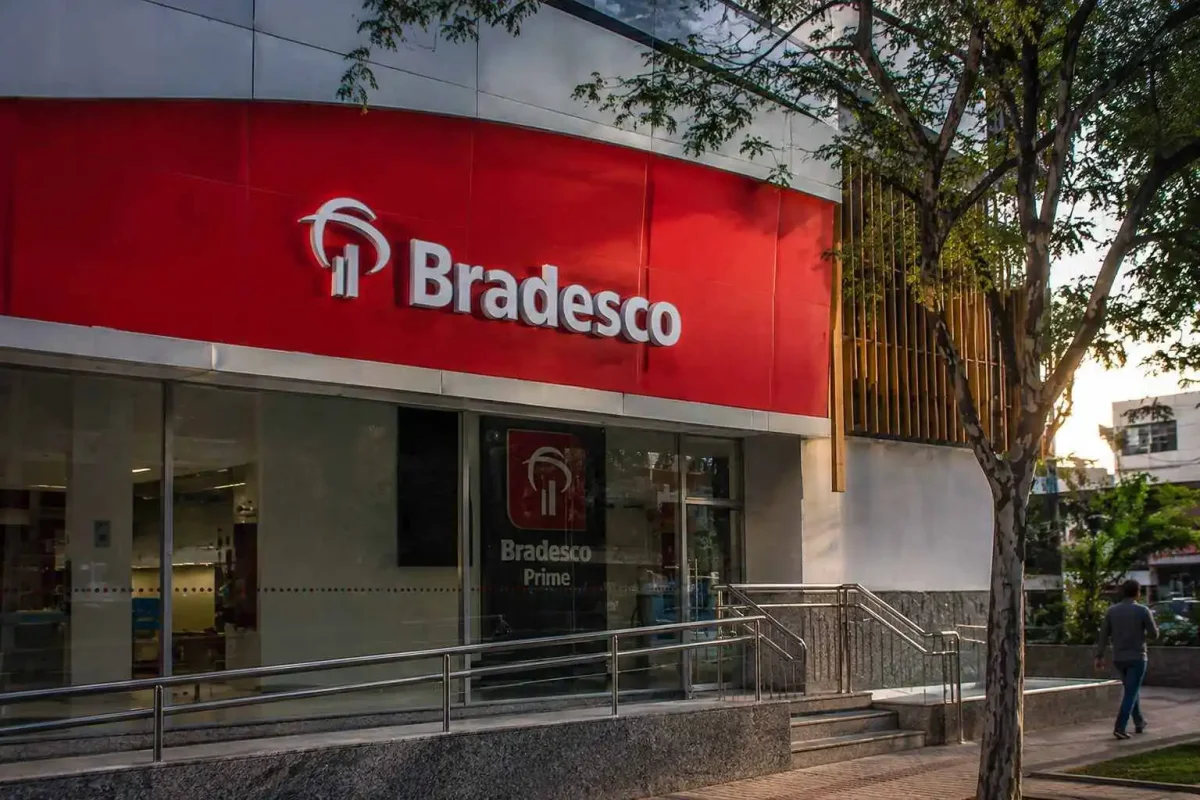
Banco Bradesco's preferred shares (BBDC4) ended the trading session on Friday unchanged at R$17.47 on the B3 exchange, as investors digested the latest monetary policy decision from Brazil's central bank. The stock traded in a tight range between R$17.40 and R$17.59 before settling flat, marking a decline of approximately 1.9% over the past week. The broader Ibovespa index edged up 0.03% to 168,334 points, while shares of Itaú Unibanco slipped 0.80% and Banco do Brasil fell 0.56%.
On Wednesday, Brazil's central bank reduced the Selic benchmark interest rate by 25 basis points to 14.25%, marking the third consecutive cut. However, policymakers maintained a cautious tone on further monetary easing, indicating that future decisions will depend on incoming economic data. Liam Peach, senior emerging markets economist at Capital Economics, described the easing cycle as likely to become 'stop-start from here on,' according to Reuters.
The rate cut could provide some relief for Bradesco by potentially boosting credit demand and reducing funding costs. Yet, the path to improved profitability is not straightforward. The bank continues to navigate a challenging environment marked by elevated credit-loss provisions and persistent inflation risks, which could temper the positive effects of lower interest rates.
Bradesco's first-quarter results showed recurring net income of R$6.8 billion, a 16.1% increase year over year. Revenue rose 14% to R$36.9 billion. However, loan-loss provisions surged 26.5% compared to the same period last year, reflecting the bank's cautious stance on credit risk. Management noted that it is maintaining a moderate risk appetite, citing concerns about worsening conditions in agribusiness and other sectors.
Brazilian rates markets reacted to the central bank's decision with mixed signals. Short-term yields declined as traders priced in the possibility of another rate cut, while longer-term yields, from 2028 onward, moved higher as investors reassessed long-term risk. Gino Olivares, chief economist at Azimut Brasil Wealth Management, described the decision as 'a form of contortion to keep cutting rates despite explicitly acknowledging greater concern about inflation,' according to Reuters.
For foreign investors, share class remains a key consideration. Bradesco's preferred shares trade on the B3 under the ticker BBDC4, while its preferred American Depositary Receipts (ADRs) are listed on the New York Stock Exchange as BBD. Trading in the ADRs was paused on Friday due to the Juneteenth holiday in the United States, with the last closing price at $3.36, down $0.06 from Wednesday's close. The ADRs will need to catch up to Friday's session in Brazil once U.S. markets reopen.
Bradesco's insurance operations and cost-cutting measures are providing some support to earnings. The bank's return on average equity improved to 15.8% in the first quarter, signaling better profitability. However, investors typically look for clearer evidence that credit losses have peaked before fully embracing bank stocks. The current market sentiment is less about a single rate cut and more about waiting for confirmation that the worst of the credit cycle is behind.
There are notable risks ahead. If inflation remains above target, long-term interest rates may not decline significantly even as the central bank continues to cut the Selic. This would diminish the positive impact of monetary easing on lenders like Bradesco. Additionally, ongoing troubles in agribusiness and potential increases in corporate delinquencies could force the bank to maintain elevated provisions, weighing on profits and limiting any stock rebound.
