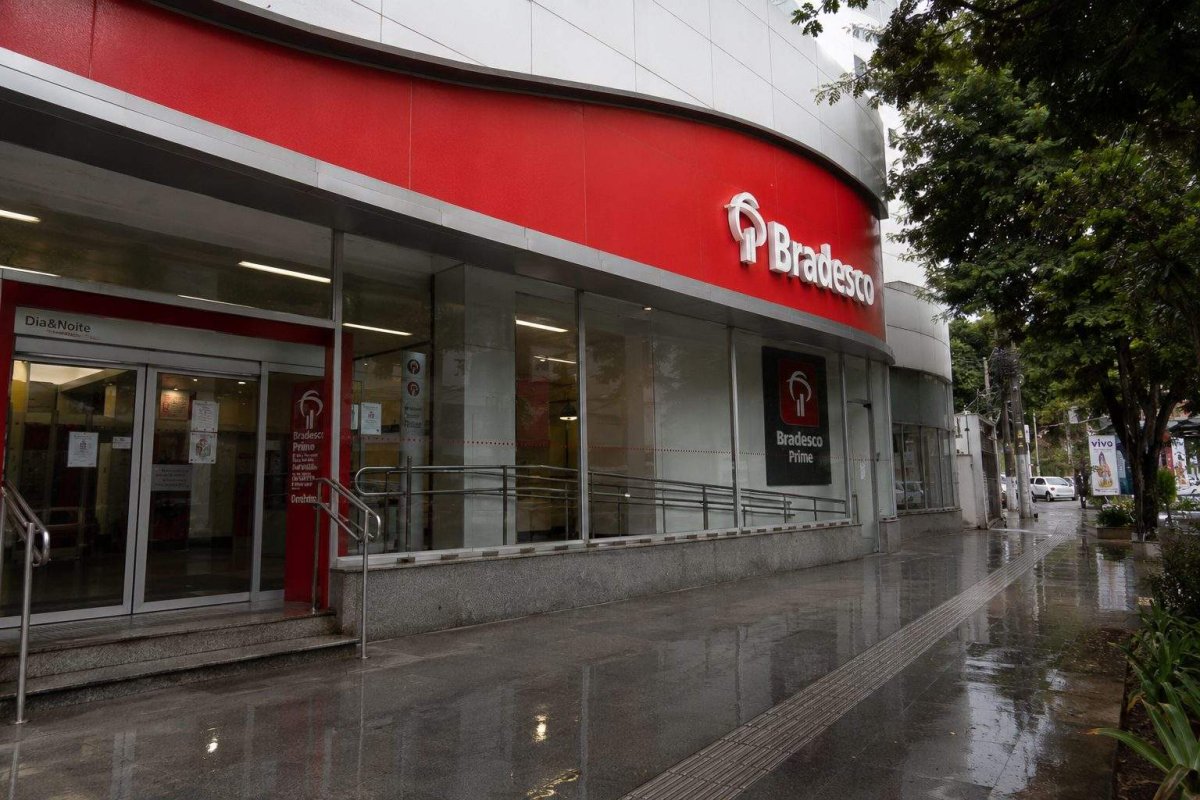
Banco Bradesco S.A. (NYSE:BBD; BVMF:BBDC4) is approaching its second-quarter earnings release with a new financial hurdle: the recently announced R$10 billion capital increase will demand approximately R$400 million in additional quarterly profit to sustain its targeted return on equity. This pro-forma estimate, based on a fully subscribed offering, underscores the scale of the challenge facing Brazil's second-largest private bank.
Market consensus places Bradesco's adjusted second-quarter profit at R$6.988 billion, with return on equity projected at 16%. This would represent a 2.6% sequential increase over the prior quarter's R$6.811 billion. The capital raise, while not impacting current quarter earnings, establishes a future profit benchmark that investors will closely monitor.
Capital Raise Implications
The R$10 billion capital increase, announced alongside the earnings schedule, would require R$1.6 billion in annual profit—or R$400 million per quarter—to maintain the 16% ROE target. Even a minimum subscription of R$8 billion, guaranteed by the bank's controlling shareholders, would necessitate roughly R$320 million in quarterly earnings. These figures represent 4.6% to 5.7% of the current consensus Q2 profit estimate.
Bradesco plans to issue up to 604.9 million preferred shares at R$17.64 each, with rights offering available from August 6 to September 4. A full subscription could boost the bank's common equity tier 1 ratio by approximately 90 basis points to 13.6%, while non-participating shareholders face potential dilution of up to 3.4%.
Market Reaction and Peer Comparison
In late trading Wednesday, Bradesco's ADRs edged up 0.6% to $3.51, though the stock lagged behind its private banking peers. Itaú Unibanco (NYSE:ITUB) rose 2.1% to $8.37, while Santander Brasil (NYSE:BSBR) gained 2.3% to $5.81. The divergence reflects differing profitability trajectories: Itaú reported a 24.3% ROE with R$12.407 billion in profit, while Santander posted a 12.5% ROE with R$3.010 billion, its lowest since late 2023.
Bradesco's projected 16% return sits 3.5 percentage points above Santander but 8.3 points below Itaú, indicating room for improvement but also raising expectations for the next quarter's performance.
Operational Focus and Risks
CEO Marcelo Noronha has described the recovery as a "step by step" process. Key metrics for Q2 include client net interest income, credit provisions, secured loan growth, and insurance revenue. In the first quarter, recurring profit rose for the ninth consecutive quarter, with loan-loss provisions up 26.5% year-over-year to R$9.67 billion.
Analysts remain largely optimistic, with 10 of 16 Bloomberg-tracked recommendations rating the stock a buy and none suggesting sell. However, risks persist: elevated interest rates could dampen lending, additional provisions may be needed, and margin compression could delay the post-raise return target.
Bradesco will release its earnings after market close on Wednesday, followed by an investor webcast at 09:30 EDT on August 6. The bank's ability to meet the new profit benchmark will be a focal point for shareholders and market watchers alike.