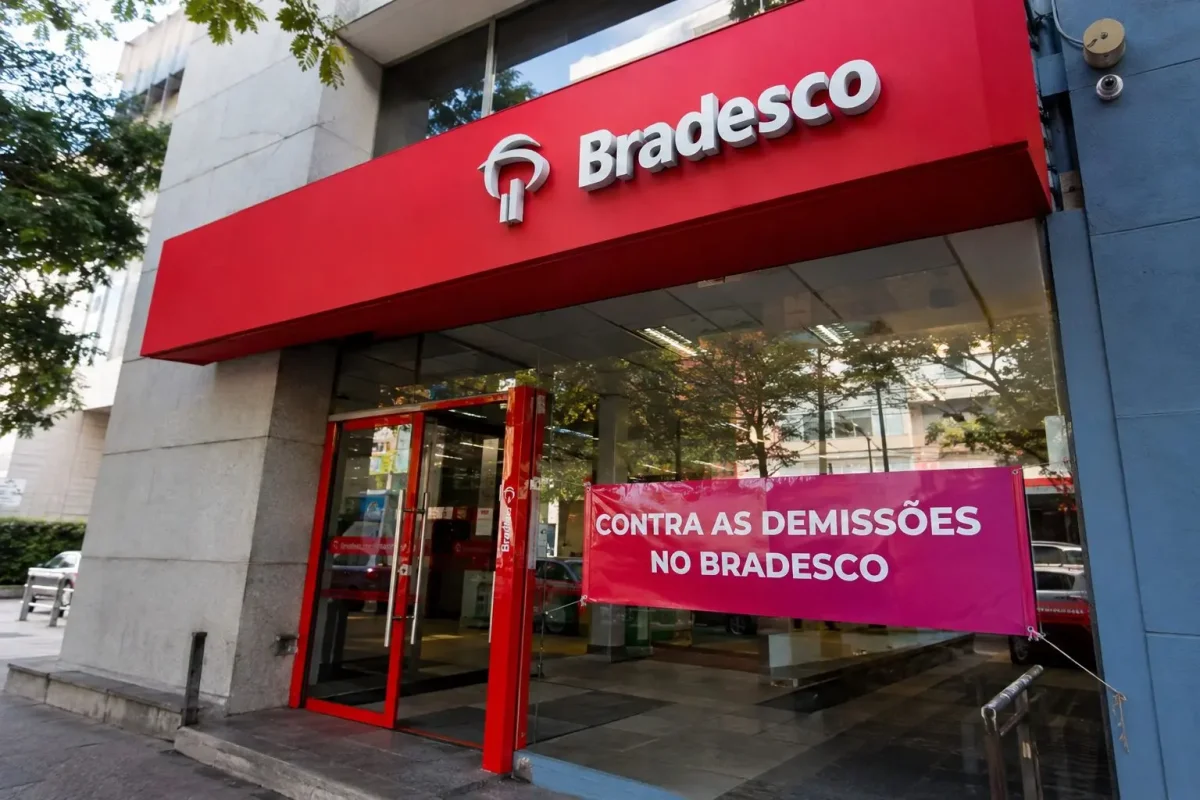
Banco Bradesco's preferred shares traded below the subscription price for its ongoing rights offering on Friday, a day after shareholders became eligible to exercise their rights. The stock was quoted at R$17.29 by late session, down 2.32% from the previous close, while the new shares are priced at R$17.64. This puts market purchases at roughly a 2% discount to the offer price, erasing the initial 6% discount that was set based on the July 28 closing level.
Capital Raise Details
The rights offering, part of a broader R$10 billion capital raise, allows eligible investors to purchase approximately 5.72 new preferred shares for every 100 shares held as of August 4. The subscription period runs from August 6 to September 4. Controlling shareholders have committed to subscribe up to R$8 billion of the total, with the final size depending on minority investor participation. For those who choose not to subscribe, the maximum dilution is 3.40%.
Earnings Quality Under Scrutiny
Bradesco reported a 16.2% increase in recurring profit for the second quarter, reaching R$7.05 billion, marking the tenth consecutive quarter of growth and slightly beating consensus estimates. However, the quality of earnings was mixed. Net interest income grew 15.7%, but provisions for loan losses rose 22.6%, outpacing the 11.6% expansion in the loan portfolio. Post-provision income advanced only 9.9%, indicating that credit costs are weighing on overall performance.
Chief Executive Marcelo Noronha noted that the bank maintained good commercial traction despite a moderate risk appetite. However, loans overdue by more than 90 days increased to 4.3%, and provision coverage declined to 152.3% from 161.0% in the previous quarter. These metrics suggest a slight deterioration in asset quality, which may have contributed to the market's cautious reaction.
Market Context
Bradesco was not alone in facing selling pressure. Itaú Unibanco's preferred shares also dropped 2.30%, and the Ibovespa index fell 1.77%. The broader market decline reflects investor concerns about the economic outlook and the pace of future interest rate cuts. Brazil's central bank reduced the Selic rate by 25 basis points to 14% on Wednesday, the fourth consecutive cut, but Noronha indicated that the timing and magnitude of further reductions remain uncertain.
Profitability and Analyst Views
Bradesco's return on average equity stood at 16.2%, exceeding the 14% Selic rate by 2.2 percentage points. However, this is a basic profitability gauge and not a precise cost-of-equity measure. Itaú continues to show a considerably larger spread, with a reported ROE of 24.3%.
Analyst recommendations for Bradesco range from Neutral to Buy. Banco BTG Pactual maintained a Neutral rating with a R$22 target price, citing lower bad debt coverage and projected credit expenses. Itaú BBA holds an Outperform rating, also with a R$22 target, focusing on resilient treasury performance. BB Investimentos and Genial reaffirmed Buy recommendations, with target prices of R$24 and R$25, respectively.
Growth Areas and Risks
One notable area of expansion is corporate rural loans, which surged 30.9% to R$56.7 billion. However, analysts like Nicolas Merola at EQI Research view this exposure as a point of concern. The bank's Common Equity ratio stood at 11.3% at the end of June, and management continues to forecast loan growth of 8.5% to 10.5% for 2026.
Potential risks include accelerating losses in retail and rural loan portfolios, a drop in fee income, and further declines in provision coverage. If BBDC4's share price remains below the R$17.64 subscription price, minority investor participation in the capital raise could be limited, potentially affecting the final amount raised.
