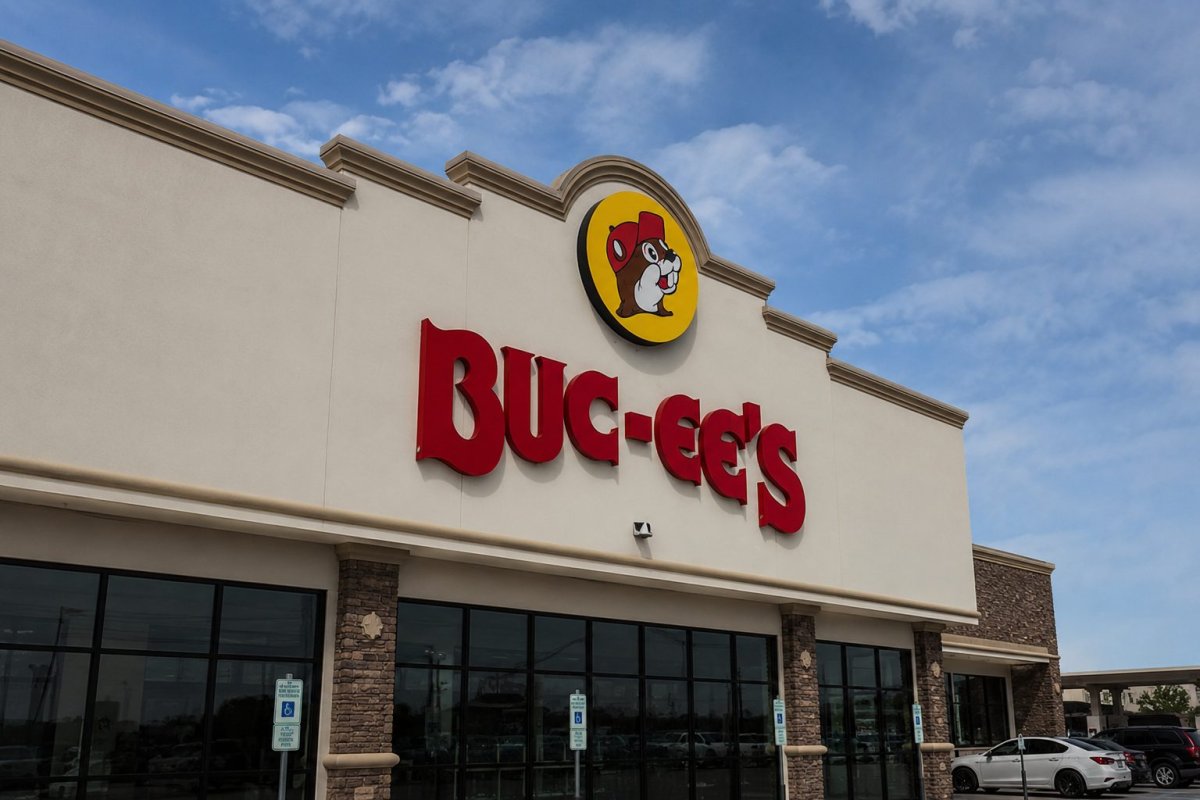
Buc-ee's, the Texas-based travel center chain known for its oversized stores and clean restrooms, is drawing increasing criticism from drivers over a series of policy changes that affect how customers pay for fuel, use gift cards, and park at its locations. The new rules, which include mandatory pay-at-the-pump transactions for card users and restrictions on overnight parking, are rolling out as the company expands beyond its home state.
According to the company's FAQ, customers who use a credit or debit card at the pump may see an authorization hold ranging from $75 to over $200, depending on the card issuer. These holds can remain on the account for up to 72 hours, though Buc-ee's notes that the timing is controlled by the card issuer, not the store. This has raised concerns among drivers, particularly those with lower debit balances, who worry about temporary freezes on their funds.
Signs posted at pumps since March instruct card-paying customers to complete their transactions at the pump rather than inside the store, a departure from the previous routine where drivers could pay for gas while picking up snacks. Gift card holders face additional hurdles: the pumps often reject their cards, and store employees are no longer able to process fuel payments at the counter. The company's FAQ states that gift cards "cannot be used for fuel after April 1, 2027," but some customers report that they are already blocked from using them for gas at certain locations due to the pay-at-pump requirement.
This policy shift represents a change from Buc-ee's earlier stance. In 2023, general counsel Jeff Nadalo told MySA that gift cards worked for "anything that Buc-ee's sells, including fuel purchased inside the store." The company has not clarified whether the new rule is a company-wide mandate or a store-by-store decision, adding to the uncertainty for travelers.
Parking restrictions have also tightened. Buc-ee's FAQ explicitly states that vehicles cannot be left parked while the owner leaves the premises, nor can drivers rest in their vehicles, regardless of whether they are in an RV or a sedan. The company says it "cannot accommodate vehicles for an extended amount of time" in its lots. This has frustrated long-haul drivers and RV owners who previously used Buc-ee's as a rest stop.
The dispute over commercial vehicles has been ongoing since at least February, when a Nevada driver named Darren Nichols told MySA he was asked to leave the Buc-ee's in Bastrop, Texas, after stopping in his work truck with a trailer for gas and breakfast. According to Nichols, a manager informed him that the policy was expanding nationwide. Buc-ee's declined to comment on the reported shift at the time.
Signs at the Bastrop location, as reported by CDLLife, listed not only semi-trucks but also dump trucks and pickups hauling trailers as prohibited. The publication noted that it could not find any public company policy documents clarifying the rules for each type of truck. This has left tradespeople and commercial drivers uncertain about whether they can stop at Buc-ee's for fuel.
Buc-ee's unique rules set it apart from traditional truck stops and rest areas. According to MySA, drivers seeking alternatives often turn to Love's Travel Stops, Cracker Barrel, or Walmart, but the outlet advises confirming with employees before settling in for a break. The chain's approach to keeping pump turnover high could risk alienating low-balance debit users, gift card customers, RV owners, and tradespeople hauling trailers.
For customers, the bottom line is clear: bring a card if you see pump signage, watch for potential holds on your account, double-check before using a gift card for gas, and avoid planning overnight stays or long parking sessions at Buc-ee's lots. As the company continues its expansion outside Texas, the backlash highlights the challenges of balancing operational efficiency with customer satisfaction.