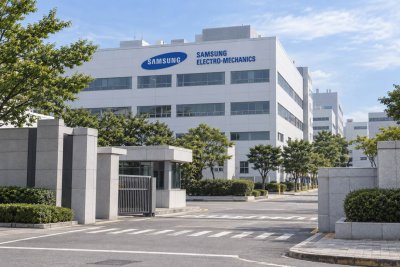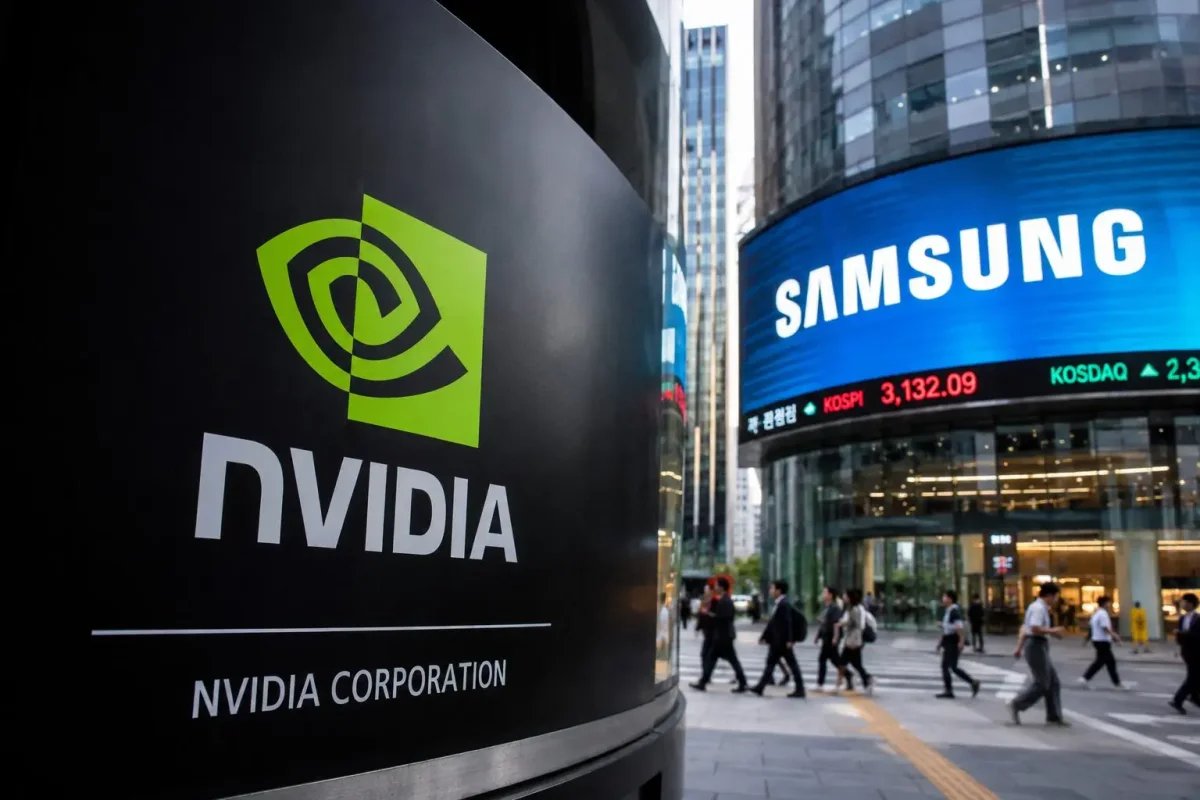
Asian stock markets climbed sharply on Thursday, led by semiconductor shares, as Nvidia's bullish revenue outlook reinforced investor confidence in artificial intelligence-related plays and Samsung Electronics averted a potential strike that threatened global chip supply chains.
The MSCI Asia-Pacific index excluding Japan advanced 2.6%, with South Korea's KOSPI surging more than 7% and Taiwan's benchmark adding 3.5%. Japan's Nikkei 225 also gained 3.6%, reflecting broad-based buying across the region.
Nvidia's forecast for second-quarter revenue of approximately $91 billion, plus or minus 2%, exceeded the consensus estimate of $86.84 billion from LSEG, underscoring sustained robust demand for AI chips. "Nvidia delivered another beat," noted Jacob Bourne of eMarketer. Chief Executive Jensen Huang told analysts that Nvidia's growth could potentially outpace the cloud spending of its largest customers, further fueling enthusiasm for AI inference chips and rival offerings from AMD and Intel.
Samsung Electronics shares jumped nearly 8% in Seoul after the company and its union reached a tentative agreement, suspending plans for an 18-day strike involving about 48,000 workers. The proposal will be put to a union vote from May 22 to May 27. Ryu Young-ho of NH Investment & Securities called the news a relief for investors but cautioned that higher labor costs made the deal "not entirely positive."
Other chip stocks also rallied. SK Hynix surged 11.3%, and Taiwan Semiconductor Manufacturing Co rose 3%, as the sector benefited from strong cyclical demand.
Japan's exports jumped 14.8% in April from a year earlier, marking eight consecutive months of growth and beating expectations, supported by demand from the U.S. and China. However, Koya Miyamae of SMBC Nikko Securities warned that rising crude and petroleum-product prices could widen trade deficits. Japan's flash manufacturing PMI slipped to 54.5 in May from 55.1 in April, while the services PMI fell to 50.0, ending a 13-month expansion streak. Annabel Fiddes of S&P Global Market Intelligence cautioned that the broader economy could face strain if costs continue to climb and demand weakens.
Australia's S&P/ASX 200 added 1.6%, but April employment data weighed on the Australian dollar as the economy lost 18,600 jobs, pushing the unemployment rate to 4.5%, the highest since November 2021. Krishna Bhimavarapu of State Street Investment Management noted that the labor market narrative may be shifting faster than expected, potentially prompting the Reserve Bank of Australia to hold off on a June rate hike.
Federal Reserve rate concerns lingered after minutes from the latest meeting showed more officials considering another interest rate increase if inflation does not move toward the 2% target. The equity rally remained tied to bond market stability. Risks persist: Nvidia dipped 1.3% after hours as some traders sought more from its forecast, Samsung's wage deal faces shareholder resistance, and oil markets remain vulnerable to disruptions near the Strait of Hormuz. Asia's buying spree in chips may prove fleeting, but for now, the rally underscores the region's dependence on semiconductor momentum.