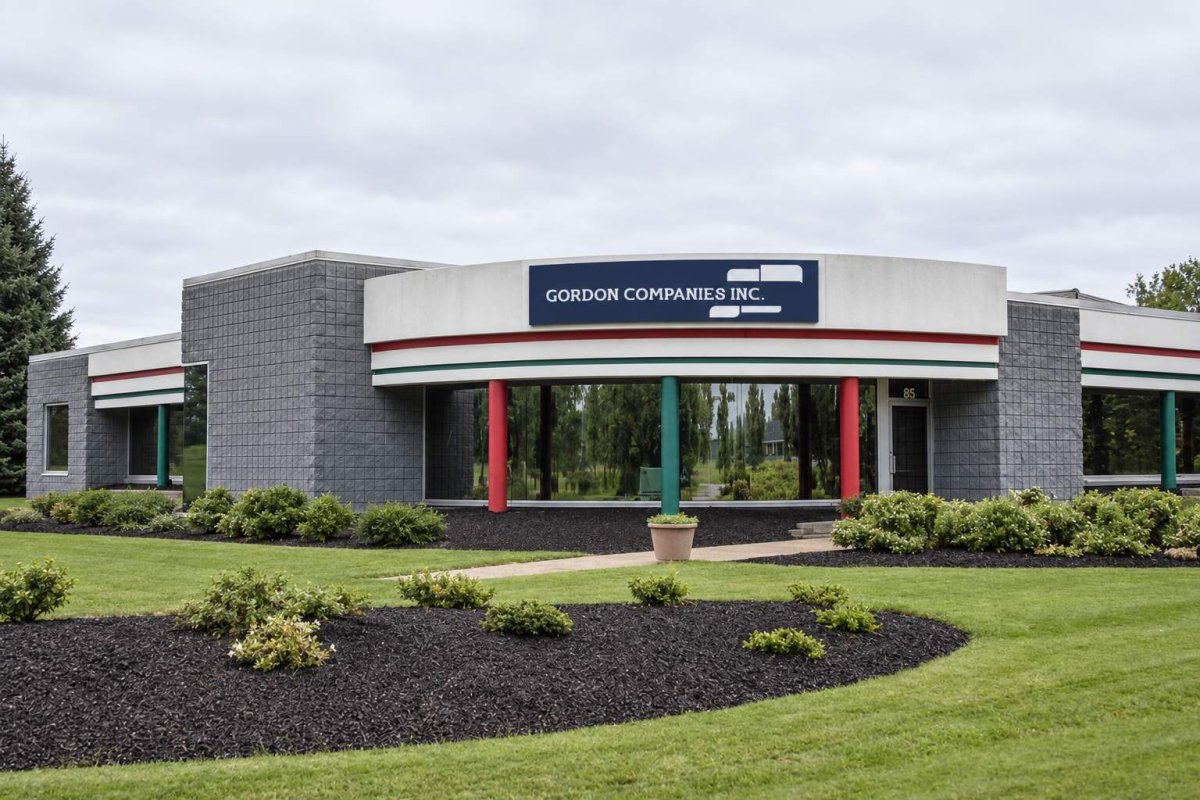
Gordon Companies, the privately held parent of seasonal retailer Christmas Central, has filed for voluntary Chapter 11 bankruptcy protection just as the holiday decorating season approaches its busiest period. The filing, submitted on September 14 in the U.S. Bankruptcy Court for the Western District of New York (case number 1:26-bk-11242), places the company's assets and liabilities in the $10 million to $50 million range and lists between 200 and 999 creditors, according to a PACER-derived case summary.
The Chapter 11 filing is not a liquidation announcement. Gordon Companies intends to keep operating while it restructures, according to a report by Buffalo Business First. The company's website remained active on Friday, and its retail operations, including Christmas Central, Christmas.com, Northlight, Pool Central, and Dave's Christmas Wonderland, continue to serve customers. The company employs 350 people and operates more than 400,000 square feet of warehouse and distribution space.
Christmas Central, a major online seller of holiday decorations, offers 218,000 product SKUs and sells through its own marketplace as well as major platforms like Target.com, Walmart.com, and Amazon.com. This sales mix makes working capital a critical issue, as seasonal goods must be imported, warehoused, and shipped before most customer revenue arrives. Suppliers, wary of extending credit, may demand cash on delivery or reduce shipments, which could impact product availability well before a court confirms a reorganization plan.
The bankruptcy filing follows a series of financial setbacks. Inc. magazine reported that a late-2025 cyberattack caused a cash-flow bottleneck, leading to vendor litigation and a $5.5 million mortgage-foreclosure action filed by Five Star Bank. The company has also settled 15 cases totaling $2.67 million and faces six pending matters with claims of $5.98 million, according to the same report. These figures represent reported claims and settlements, not final bankruptcy recoveries.
Gordon Companies is also pursuing separate litigation over an enterprise-software project. The company alleges that Vision 33 and SAP America sold a system that could not handle its peak order volume, and is seeking $15 million in damages, as reported by Inc. A federal docket confirms the case, Gordon Companies v. Vision 33, remains pending. It's important to note that these allegations have not been adjudicated, and any potential recovery should not be counted as available cash for creditors.
Since Gordon Companies is privately held, there are no publicly traded shares. Its presence on Amazon, Walmart, and Target marketplaces does not imply material financial exposure for those companies. The direct risk falls on private suppliers, lenders, landlords, and logistics partners whose terms may change within the Chapter 11 process.
The first significant creditor event is the meeting of creditors scheduled for October 21. Prior to that, key filings to watch include detailed asset and liability schedules, any requests for cash-collateral or debtor-in-possession financing, and disclosures on vendor treatment. A financing order that preserves inventory flow would support the going-concern case; shrinking assortments or tighter supplier terms would signal trouble.
While the filing has a distress-first narrative, Chapter 11 can provide a stabilizing framework for a business to address secured debt and litigation. The wide valuation bands in the petition leave room for a viable reorganization, but also underscore the uncertainty surrounding creditor recoveries until more detailed financial information is available.