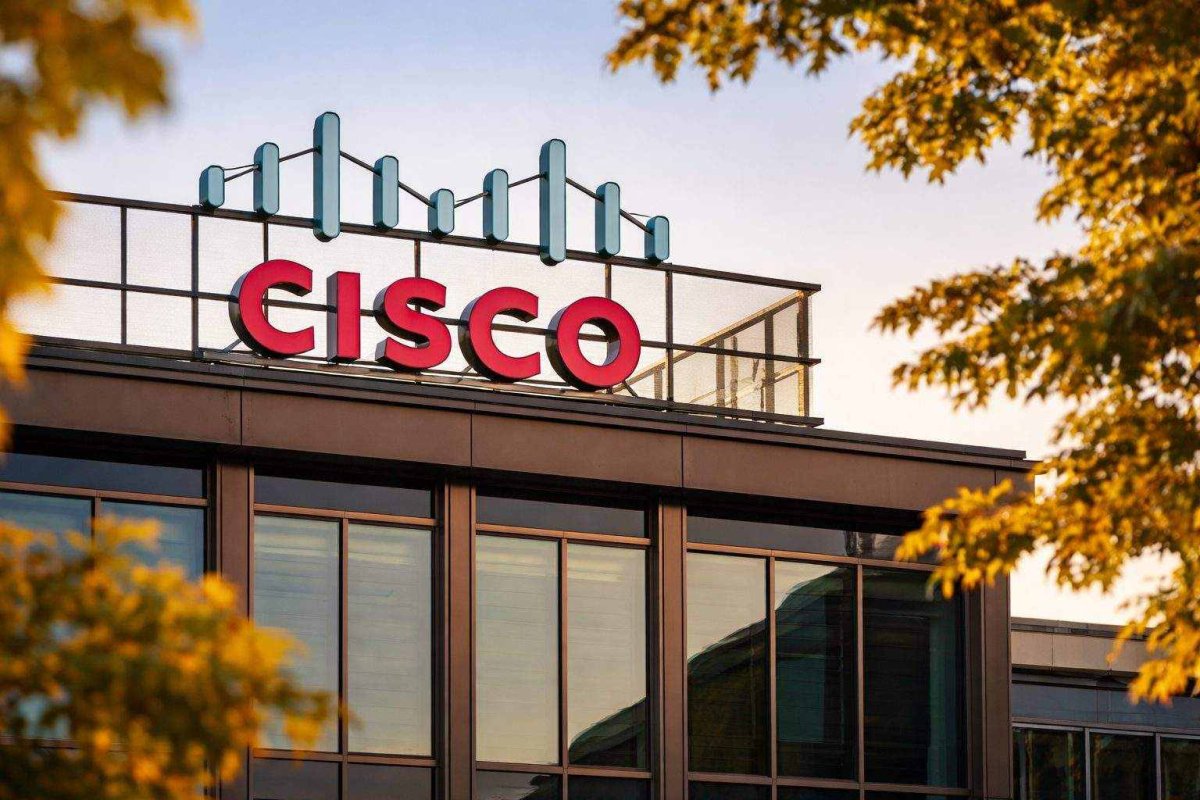
Cisco Unveils New AI Networking Chip Amid Shifting Competitive Landscape
In a strategic move to capture a larger share of the booming artificial intelligence infrastructure market, Cisco Systems introduced its latest Silicon One G300 networking chip and a corresponding router on Tuesday. The new hardware, specifically engineered for AI data centers, is designed to enhance network efficiency and reliability. Cisco emphasized that the G300 chip incorporates advanced "shock absorber" capabilities to manage sudden traffic surges, potentially accelerating certain AI workloads by up to 28%. The chip is manufactured using Taiwan Semiconductor Manufacturing Company's advanced 3-nanometer process technology and is scheduled for release in the second half of this year.
The announcement signals Cisco's intensified competition with established players in the data center chip sector, namely Nvidia and Broadcom. This comes as the focus of large-scale AI deployments expands beyond just processing power to encompass the entire data center ecosystem, including networking, power delivery, and cooling. "Our focus is on the total end-to-end efficiency of the network," stated Martin Lund, an executive vice president at Cisco, highlighting the growing importance of the networking layer in AI clusters that connect tens of thousands of processors.
Market Reaction and Broader AI Sector Pressures
Following the news, Cisco's stock saw a modest increase of 0.3%, closing at $87.04. In contrast, shares of its rivals faced downward pressure. Nvidia declined by 0.3% to $189.48, Broadcom fell 0.5% to $342.09, and Advanced Micro Devices (AMD) dipped 0.4% to $215.15. The broader sell-off was attributed to dual concerns: renewed U.S. government scrutiny on technology exports to China and growing investor anxiety over the immense capital expenditures required for AI infrastructure.
The geopolitical overhang was notably highlighted by comments from U.S. Commerce Secretary Howard Lutnick, who reiterated that Nvidia must adhere to strict licensing conditions for sales of its advanced H200 chip to China. These conditions include rigorous "know-your-customer" checks and limitations intended to prevent military use. This regulatory environment continues to create uncertainty for chipmakers with significant exposure to the Chinese market.
Simultaneously, the financial scale of the AI build-out is becoming increasingly evident. In a landmark move, Alphabet is preparing to issue a 100-year bond as part of a £5.5 billion sterling deal, marking the technology sector's first century bond since 1997. This is seen as a clear indicator of the massive, long-term capital investment flowing into AI. "That's representative and indicative of a lot of the capital spending," noted Jason Granet, chief investment officer at BNY, reflecting market debates on whether the returns from this spending will materialize quickly enough for investors.
Financing Innovations and Software Sector Volatility
The demand for AI hardware is also catalyzing innovative financing structures. According to reports, Apollo Global Management is nearing finalization of a loan worth approximately $3.4 billion to an investment vehicle. This entity plans to purchase Nvidia chips and lease them to Elon Musk's xAI startup, a model that allows capital-intensive AI firms to scale their computing power without significant upfront hardware costs. Apollo has previously supported similar chip-leasing arrangements for xAI.
However, the AI investment theme remains fraught with volatility, particularly in the software segment. Recent analysis indicates that software and services stocks have underperformed the S&P 500 by nearly 24 percentage points over the past three months. This sell-off was triggered in part by concerns that new AI-powered tools, such as those from Anthropic's Claude model, could disrupt traditional software business models. Options market pricing suggests traders are bracing for continued turbulence in this space.
Amid these sector-specific dynamics, JPMorgan strategists, led by Dubravko Lakos-Bujas, suggested the pullback in software may be overdone. They argued that the market is pricing in worst-case AI disruption scenarios unlikely to unfold in the next three to six months, pointing to more resilient names like Microsoft, Palo Alto Networks, and ServiceNow. Microsoft shares rose 0.7% to $416.55, while ServiceNow gained 2.7%.
Macroeconomic Data Looms Large
Looking ahead, investor attention is pivoting toward key U.S. macroeconomic indicators for clues on the Federal Reserve's interest rate path. The January nonfarm payrolls report, due on Wednesday, and the Consumer Price Index (CPI) data for January, scheduled for release on Friday, are expected to be critical inputs. The direction of interest rates significantly influences the valuation of growth-oriented technology and AI stocks. The market is weighing whether the next major move for AI equities will be driven by macroeconomic data, regulatory policy shifts, or the next wave of corporate spending announcements.