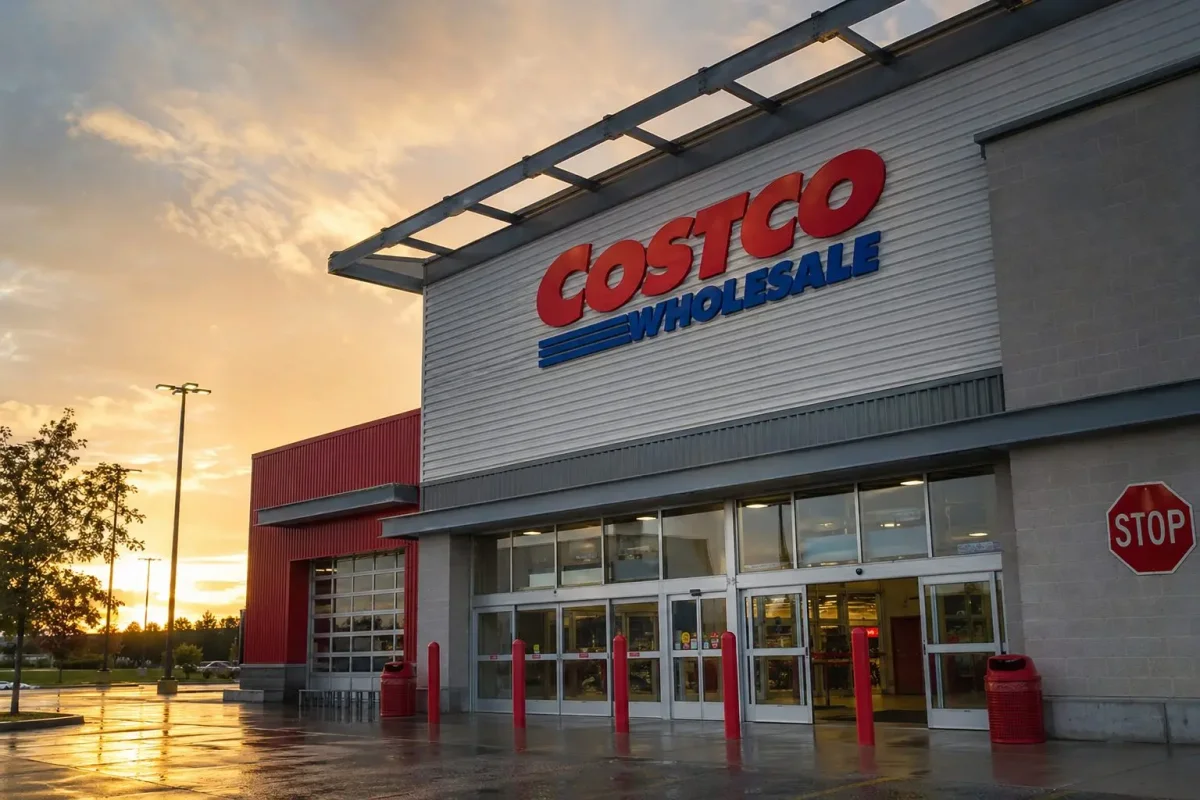
Costco Wholesale is facing mounting scrutiny from Washington as House Democrats demand transparency over how refunds from overturned Trump-era tariffs will be passed on to shoppers. The pressure comes as U.S. Customs and Border Protection begins processing claims through a new electronic system known as CAPE, which is designed to facilitate refunds on duties paid under the International Emergency Economic Powers Act (IEEPA).
Political Pressure Mounts
Representative Steven Horsford of Nevada, along with other Democratic lawmakers, sent a letter to the CEOs of Costco, Walmart, Amazon, Target, Home Depot, Lowe's, Best Buy, FedEx, UPS, and DHL. The letter demands details on how these companies plan to return tariff relief to consumers—whether through lower prices, credits, or other direct benefits—and seeks assurances that refunds will not be used for stock buybacks or executive compensation.
Legal Challenges and Class Action
Costco and FedEx have taken legal action to preserve their refund rights by suing to block the finalization of import entries. However, Amazon, Target, and Walmart have not joined the litigation, according to Reuters. Meanwhile, a Costco customer filed a proposed nationwide class action in Illinois last month, alleging that the retailer could secure a “double recovery” by keeping tariff refunds after already passing some costs onto shoppers through higher prices.
Costco’s Position and Market Performance
During an analyst call on March 5, Costco CEO Ron Vachris acknowledged uncertainty around the timing and amount of potential refunds. He noted that many members did not bear the full brunt of tariffs, and that tracking the impact on specific items is challenging due to shifting rates. “Our commitment will be to find the best way to return this value to our members through lower prices and better values,” Vachris stated.
Costco’s financial performance remains strong. March net sales rose 11.3% to $28.41 billion, and comparable sales—excluding fuel and currency impacts—increased 6.2%. Same-store sales, stripping out gasoline, jumped 6.7%, beating forecasts, while net income climbed nearly 14% to $2.04 billion. The company’s stock last traded at $1,011.15, giving it a market capitalization near $449 billion.
Industry Context and Analyst Views
Analysts see Costco as a defensive play in retail amid geopolitical uncertainty. David Wagner of Aptus Capital Advisors noted that ongoing uncertainty will likely keep Costco in its “safe haven” role. D.A. Davidson analyst Michael Baker observed that cooling inflation is providing some relief, but warned that “recent events could re-reverse the trend,” as new trade costs or rising fuel and shipping expenses could quickly erase gains.
Implementation Challenges
The CAPE system is being phased in, initially covering only certain unliquidated entries and those liquidated less than 80 days ago. Vachris pointed out that the old IEEPA tariffs have been replaced by new global tariffs covering at least 150 days, making it difficult to pinpoint savings for customers. As a result, Costco faces a critical test: whether it can deliver on its low-price promise and translate any refunds into tangible benefits for its members.