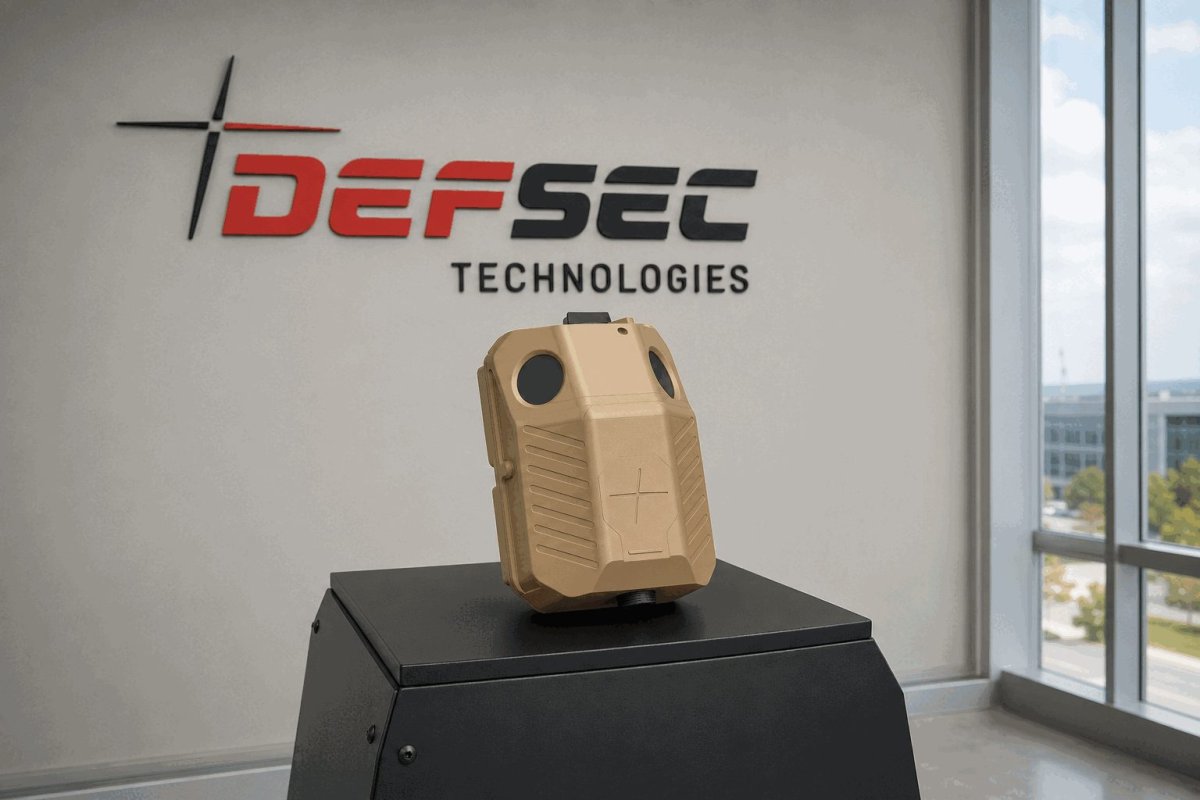
DEFSEC Technologies Inc. (NASDAQ: DFSC) experienced a dramatic trading session on Thursday, with shares surging 86.3% to close at $2.31, up from $1.24. The spike followed the release of fiscal third-quarter results showing revenue nearly doubled year-over-year. However, the stock retreated significantly from its intraday high of $3.57, indicating that investor enthusiasm may be tempered by underlying financial challenges.
Revenue Growth and Operational Highlights
For the fiscal third quarter ended June 30, 2026, DEFSEC reported revenue of C$2.72 million, a 92% increase from C$1.42 million in the same period last year. Notably, revenue from government-program digitization surged 121%, underscoring the company's focus on defense software solutions. President and CEO Sean Homuth highlighted this growth as evidence of a more predictable revenue base, also citing U.S. Army testing that validated the BLISS product roadmap.
Gross margin improved to 33.1% from 28.2% a year earlier, with gross margin dollars more than doubling to C$0.90 million from C$0.40 million. Despite these gains, the company's cost structure remains a concern. Operating expenses climbed to C$3.46 million from C$2.22 million, and the adjusted EBITDA loss widened to C$1.94 million from C$1.49 million. The company emphasized that the adjusted EBITDA figure is unaudited and non-IFRS.
Balance Sheet and Dilution Risks
DEFSEC's balance sheet shows a 48% decline in cash and short-term investments over nine months, falling from C$6.73 million to C$3.53 million. Working capital also decreased to C$3.67 million from C$6.03 million, while total liabilities rose slightly to C$5.34 million. To bolster liquidity, the company completed a June financing that raised C$2.5 million gross by selling 673,006 shares at US$2.63 each, along with an equal number of five-year warrants.
This financing increased the share count by approximately 33.8%, and the registration of up to 723,481 warrant shares (27.1% of the latest outstanding count) could add further supply. Thursday's close of $2.31 was 12.2% below the June financing price, even though the intraday high of $3.57 cleared it by 35.7%. Such dilution pressure is a key risk for investors, especially given the extreme trading volume of 109.3 million shares—972 times Wednesday's volume—which equaled about 41 times the 2.67 million shares outstanding as of July 20.
Market Sentiment and Analyst Coverage
The sheer scale of trading activity signals intense speculative interest, but the late retreat from the intraday high shows how quickly enthusiasm can cool. With no public analyst consensus or price target available for DFSC, investors lack an external earnings framework to separate product progress from speculative demand. This absence of coverage is particularly significant for a micro-cap stock with such extreme turnover.
Catalysts and Risks Ahead
DEFSEC completed BLISS testing for one U.S. Army vehicle program and received an invitation to a separate evaluation in late August. However, no contract value or purchase order has been disclosed, leaving the commercial conversion uncertain. The company faces high risks: revenue is growing from a small base, losses are widening, and cash declined before the June raise. Army evaluations may not translate into orders, and registered warrant shares could add supply pressure.
The next material catalyst is the late-August BLISS evaluation. Investors will need to see contract size, timing, and cash conversion—not just testing success—to justify a lasting rerating of the stock. Until then, the market is likely to remain volatile, with dilution and cash burn concerns clouding the growth narrative.