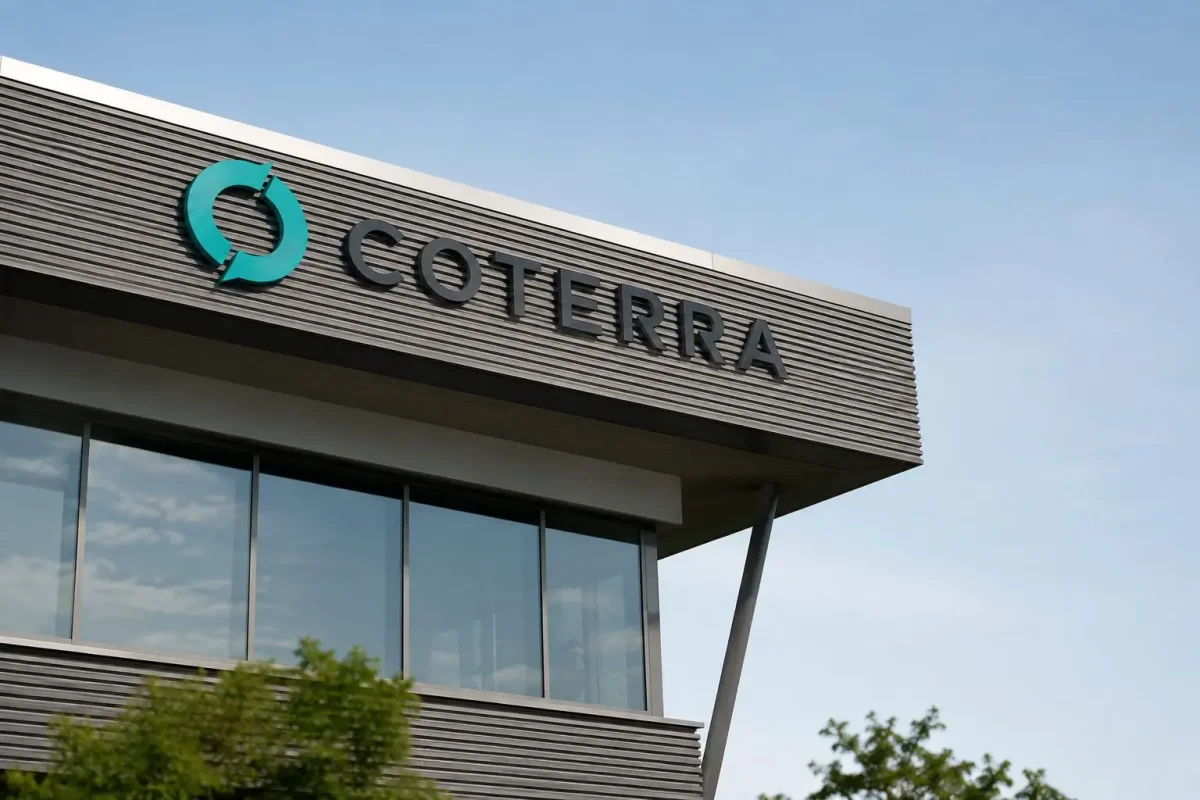
Devon Energy Corporation has finalized its all-stock acquisition of Coterra Energy Inc., resulting in the cessation of trading for Coterra shares on the New York Stock Exchange. The transaction, valued at approximately $25 billion, marks the largest U.S. shale merger since Diamondback Energy's $26 billion purchase of Endeavor Energy Resources in 2024, according to reports from Reuters.
M&A Activity Reaches Two-Year High
The deal has propelled U.S. upstream oil-and-gas merger and acquisition activity to its highest quarterly level in two years. Enverus, an energy analytics firm, reported that first-quarter upstream deals totaled $38 billion, with the Devon-Coterra combination leading the charge. Andrew Dittmar, principal analyst at Enverus Intelligence Research, described the market as being in a "temporary holding pattern" due to oil price volatility but anticipates an "M&A rebound" going forward.
Transaction Details and Structure
Under the terms of the merger, each Coterra share was converted into 0.70 of a Devon share, with cash paid for fractional shares. The exchange ratio was detailed in a May 7 regulatory filing. Coterra's common stock was halted before the opening bell on that day. Post-merger, the combined entity will operate under the Devon name, retain the DVN ticker symbol, and be headquartered in Houston, Texas, while maintaining a significant presence in Oklahoma City. Devon shareholders will hold approximately 54% of the new company, with Coterra shareholders owning the remaining 46%.
Devon CEO Clay Gaspar hailed the merger as a "defining moment," emphasizing the increased scale in the Delaware Basin, a key oil-producing region within the Permian Basin that spans Texas and New Mexico. Tom Jorden, former CEO of Coterra who now serves as non-executive chairman, noted that Devon gains from both Coterra's assets and its workforce.
Synergy and Capital Return Targets
Devon is targeting $1 billion in annual pre-tax synergies by the end of 2027. These savings are expected to come from cost reductions, operational integration, and optimized asset utilization. To boost shareholder returns, Devon's board has authorized an $8 billion share buyback program, representing roughly 15% of the merged company's market capitalization. Additionally, the company set a quarterly dividend of 32 cents per share. The capital return announcement followed pressure from activist investor Kimmeridge, which had urged Devon to accelerate asset sales and tighten capital allocation.
The combined company is projected to produce over 1.6 million barrels of oil equivalent per day. Analyst Gabriele Sorbara of Siebert Williams Shank characterized it as a "larger entity" capable of attracting greater investor attention amid a volatile energy sector.
Challenges and Market Outlook
However, merely completing the deal does not guarantee value creation. Mark Viviano, managing partner at Kimmeridge, stated in an open letter that "scale alone does not create value." He is pressing Devon to divest non-core assets, tighten spending, and revise executive compensation. Oil price volatility adds another layer of uncertainty. According to Reuters, Brent crude has fluctuated between $77.74 and $118.35 per barrel since the start of the Iran conflict on February 28, a swing that can disrupt deal calculations, drilling budgets, and shareholder return forecasts. While higher prices boost cash flow, sudden surges can also cause buyers and sellers to pause.
In early trading on Thursday, Devon shares dipped 0.5% to $46.67. Former Coterra shareholders are now exposed to Devon stock rather than CTRA. The key question remains: can Devon extract meaningful cash from the year's largest shale tie-up, or will the broader asset base slow progress?