The U.S. dollar slid on Thursday, pressured by a weaker-than-expected first-quarter GDP reading and a sharp acceleration in core inflation, which together clouded the Federal Reserve's monetary policy trajectory. The GDP miss and rising price pressures have left traders reassessing the likelihood of rate cuts later this year.
According to data from the Bureau of Economic Analysis, the U.S. economy expanded at a 2.0% annualized rate in the first quarter, falling short of consensus forecasts. The report highlighted gains from investment, exports, consumer spending, and government outlays, though imports—a typical drag on GDP—also rose. The GDP figure landed below expectations, weighing on the greenback even as evidence of mounting price pressures emerged.
Inflation numbers proved more troublesome for the Fed. The personal consumption expenditures (PCE) price index, the central bank's preferred inflation gauge, jumped to a 4.5% annualized pace in the first quarter, up from 2.9% in the prior period. Stripping out food and energy, core PCE climbed to 4.3%, compared with 2.7% previously. March data told a similar story, with PCE prices rising 0.7% month-over-month and 3.5% year-over-year, while the core gauge posted a 3.2% annual increase.
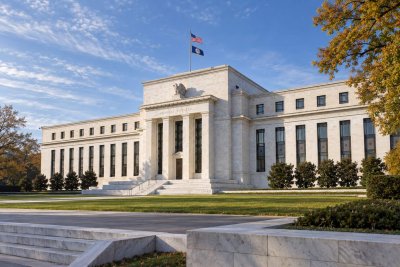
The Federal Reserve left interest rates unchanged at 3.5%-3.75% on Wednesday, but the decision revealed deepening divisions among policymakers. The central bank described inflation as 'elevated' and flagged that turmoil in the Middle East brings 'a high level of uncertainty' to its outlook. Three regional Fed presidents opposed keeping the easing bias language in the statement, while Governor Stephen Miran pushed for an immediate quarter-point cut, according to reports.
The market's dilemma is not a single weak growth figure but the combination of lingering demand fueling inflation alongside growth that is insufficient to make the dollar's yield advantage straightforward. Traders had already begun trimming their 2026 rate-cut bets following the Fed's split decision, as noted by Reuters.
The Dollar Index (DXY), a gauge of the greenback against six major currencies, fell 0.59% to 98.33. The dollar hit session lows against the yen after Japanese officials hinted at potential intervention to support their currency. According to Reuters, dollar/yen dropped sharply following the warnings, though Francesco Pesole, forex strategist at ING, described the dollar's slide as an 'exacerbated reaction' rather than hard evidence of intervention. The euro rose to $1.1716.
Additional data on initial jobless claims for the week ending April 25 came in at 189,000, a drop of 26,000 and well below the 215,000 expected by economists polled by Reuters. Continuing claims also declined to 1.785 million, suggesting the labor market remains resilient enough to prevent the Fed from feeling compelled to act.
Looking ahead, the dollar could rebound if oil prices climb or tensions in the Middle East escalate, either of which could strengthen the inflation argument and force U.S. rates to stay elevated. Fed Chair Jerome Powell emphasized that monetary policy is not on a 'preset course,' and that rising energy prices add to headline inflation in the short term. Traders are left juggling a tricky combination: U.S. growth has not stalled, but inflation is heading higher, and the central bank is showing less unity than it did just a month ago. The dollar lacks a straightforward bullish case, but it is not an obvious bearish one either.