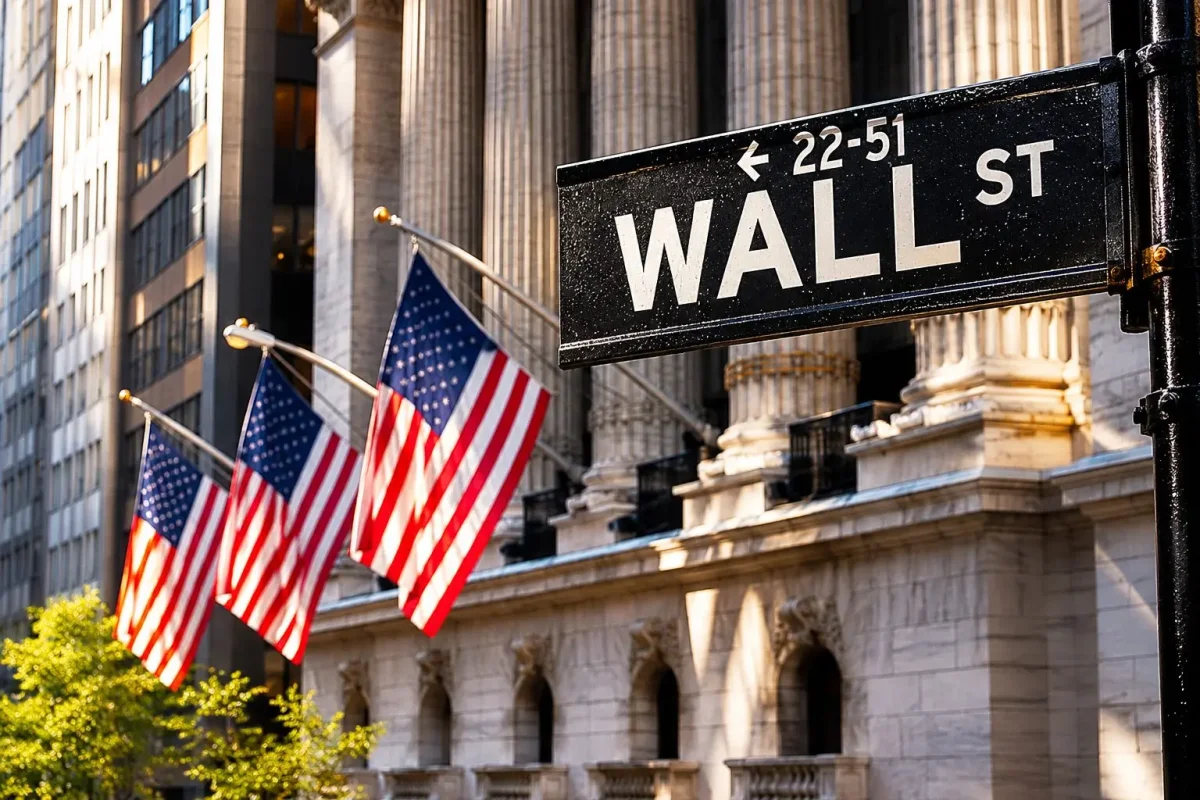
The Dow Jones Industrial Average closed at a historic high on Friday, rising 428.65 points, or 0.86%, to 50,714.31, as Wall Street navigated a landscape of geopolitical optimism and robust corporate earnings. The broader S&P 500 advanced 45.82 points, or 0.62%, to 7,491.54, while the Nasdaq Composite added 130.07 points, or 0.50%, to 26,423.17, according to delayed Reuters/LSEG quotes.
This milestone marks the Dow's first intraday record since the onset of the U.S.-Iran conflict, surpassing its previous peak from February. James St. Aubin, chief investment officer at Ocean Park Asset Management, described the market's backdrop as 'really solid,' reflecting growing investor confidence as geopolitical tensions show signs of easing. Art Hogan, chief market strategist at B. Riley Wealth, noted that the conflict appears to be approaching an 'off-ramp,' which has bolstered sentiment.
The rally extended beyond peace-talk optimism. The S&P 500 is on track for its eighth consecutive weekly gain, powered by corporate profits that have sustained buying interest despite persistent concerns over oil prices, inflation, and bond yields. The index serves as a broad gauge of U.S. equities, tracking 500 large companies.
Semiconductor stocks were a key driver, with the Philadelphia Semiconductor Index climbing 2.5%. Qualcomm surged 12%, while Nvidia slipped 1.6%. The chip sector has become a proxy for the market's appetite for artificial intelligence-related trades, with semiconductors powering everything from computers to AI systems.
PC makers also saw significant gains. Dell Technologies jumped 16% and HP Inc rose 15%, driven by anticipation of upcoming earnings and demand for AI servers. Barron's reported that Wells Fargo analyst Aaron Rakers raised his price target for Dell to $270 from $180, highlighting the company's AI-server business as a key differentiator.
UBS Global Wealth Management added to the bullish tone by raising its year-end 2026 S&P 500 target to 7,900 from 7,500, citing resilient consumer spending and demand for data-center infrastructure. The firm also increased its 2026 earnings-per-share estimate to $335 from $310.
Bond yields eased, providing further support for equities. The 10-year Treasury yield fell 2.6 basis points to 4.558%, as reported by Reuters. Lower yields reduce borrowing costs and make stock valuations more attractive, though risks remain.
Anthony Saglimbene, chief market strategist at Ameriprise, warned that the 'macro environment' is returning to center stage. Jim Baird, chief investment officer at Plante Moran Financial Advisors, cautioned that 'inflation concerns continue to flare.' Next week's release of the PCE price index, the Federal Reserve's preferred inflation gauge, will be closely watched. A disappointing reading could reignite rate-hike fears.
Adding to the cautious outlook, Nomura dropped its call for Fed rate cuts in 2026, citing inflation pressures from the Iran war and a memory-chip shortage. CME FedWatch data indicates a roughly 58% probability of at least one 25-basis-point rate increase by year-end.
Wall Street now faces a narrow path: earnings and AI spending remain supportive, but oil prices, the Strait of Hormuz situation, and long-term yields could disrupt the rally. The Memorial Day holiday will shorten next week's trading calendar, leaving investors less time to digest inflation data and the final wave of major earnings reports.