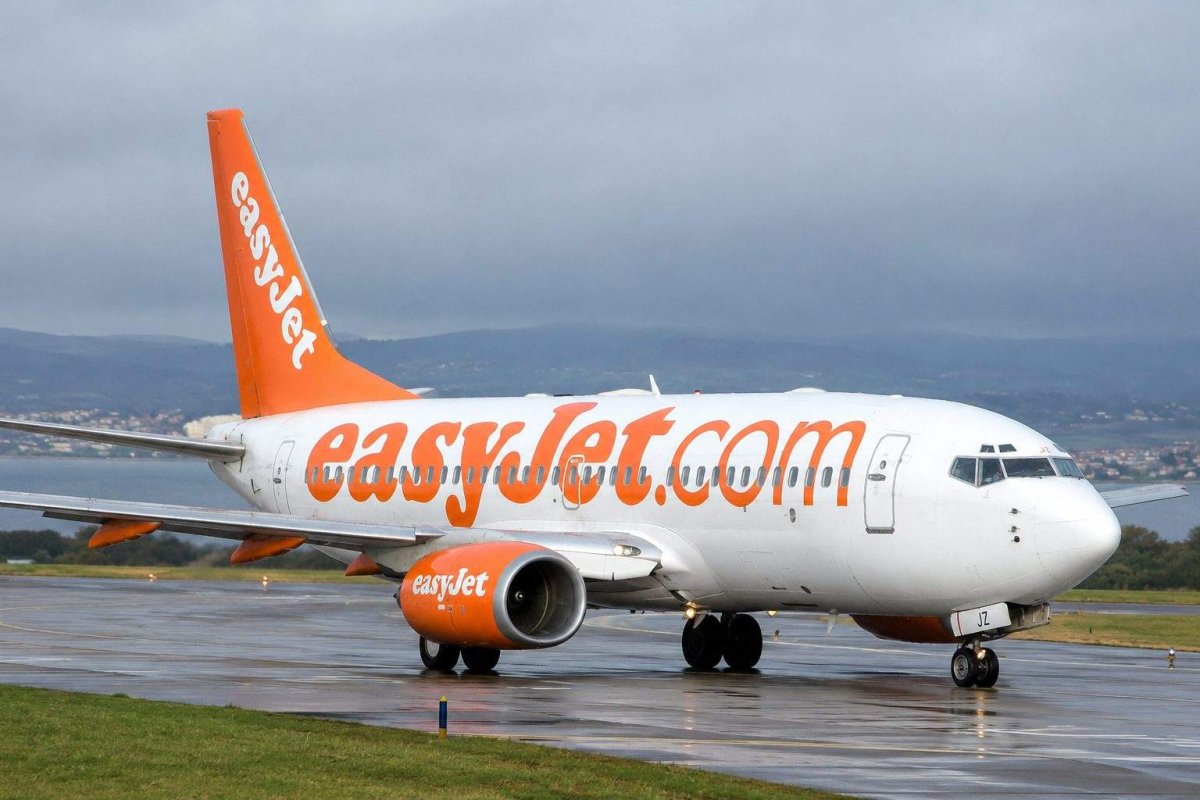
EasyJet shares edged lower in early London trading on Thursday after the budget carrier reported a first-half loss and cautioned that elevated fuel expenses and subdued advance booking patterns were casting doubt on its summer performance.
The stock dipped 0.6% to 344.9 pence by 09:12 BST, fluctuating between 337p and 351.1p, according to Davy market data. The movement is significant as European airlines typically generate the majority of their profits during the peak summer travel season.
EasyJet posted a first-half loss of £552 million, broadly within the £540 million to £560 million range it had previously signaled. However, the company warned that the full-year outlook remains clouded by higher fuel costs and weaker advance bookings, which have reduced visibility into summer demand.
Jet fuel prices have surged more than 80% since late February, driven by the Iran conflict disrupting aviation and constricting flows through the Strait of Hormuz. This has forced airlines to weigh higher fares, capacity cuts, or accept lower margins.
Chief Executive Kenton Jarvis said the airline aims to “bounce back” through disciplined growth, faster fleet upgrades, and the expansion of easyJet Holidays, the package-holiday division that has become a key profit driver for the group. The company is 72% hedged on fuel at $726 per tonne, but remains exposed to spot prices around $1,350 per tonne. Each $100 move in fuel costs adds approximately £35 million to expenses, according to Reuters.
“This is where things look dicey,” said Duncan Ferris, investment writer at Freetrade, in a note cited by Reuters. He added that the hedge offers protection but “not immunity,” leaving easyJet “a little exposed.”
Bookings for the second half of the year stand at 58% sold, reflecting a shorter booking curve as customers delay purchases closer to departure. EasyJet has begun shifting capacity toward domestic and city routes as demand weakens for longer-haul eastern Mediterranean destinations.
The pressure is not confined to easyJet. Ryanair earlier this week announced it was cutting some summer fares to maintain volumes, even after posting record annual profit. Chief Executive Michael O’Leary told analysts there was “a little bit of customer nervousness out there.”
The risk case remains clear: if fuel stays high and customers continue delaying bookings, easyJet may have limited room to raise fares without hurting demand, particularly on leisure routes where travelers can switch destinations or stay closer to home. EasyJet also plans to launch a loyalty program in 2027 to help retain customers. For now, the share price is being pulled between a still-busy summer travel market and the blunt cost shock from fuel.