LONDON, June 27, 2026, 14:02 (BST) — A historic heatwave sweeping across Europe is putting both cooling demand and grid reliability under intense scrutiny. While Asian manufacturers report a surge in air-conditioner sales, the region's limited adoption of cooling systems and high installation costs are creating a power-margin challenge as temperatures climb.
Heatwave Shatters Records
The World Meteorological Organization (WMO) confirmed that the heatwave has broken late-June records across the continent, disrupting infrastructure and labor productivity from Portugal to Romania. John Kennedy of the WMO stated, "Heatwaves like this are what we expect to see in a changing climate." Germany recorded a provisional high of 41.3 degrees Celsius near Saarbruecken, with most of the country under extreme-heat warnings. Italy issued red alerts in 18 cities, including Milan and Rome.
Surge in AC Sales
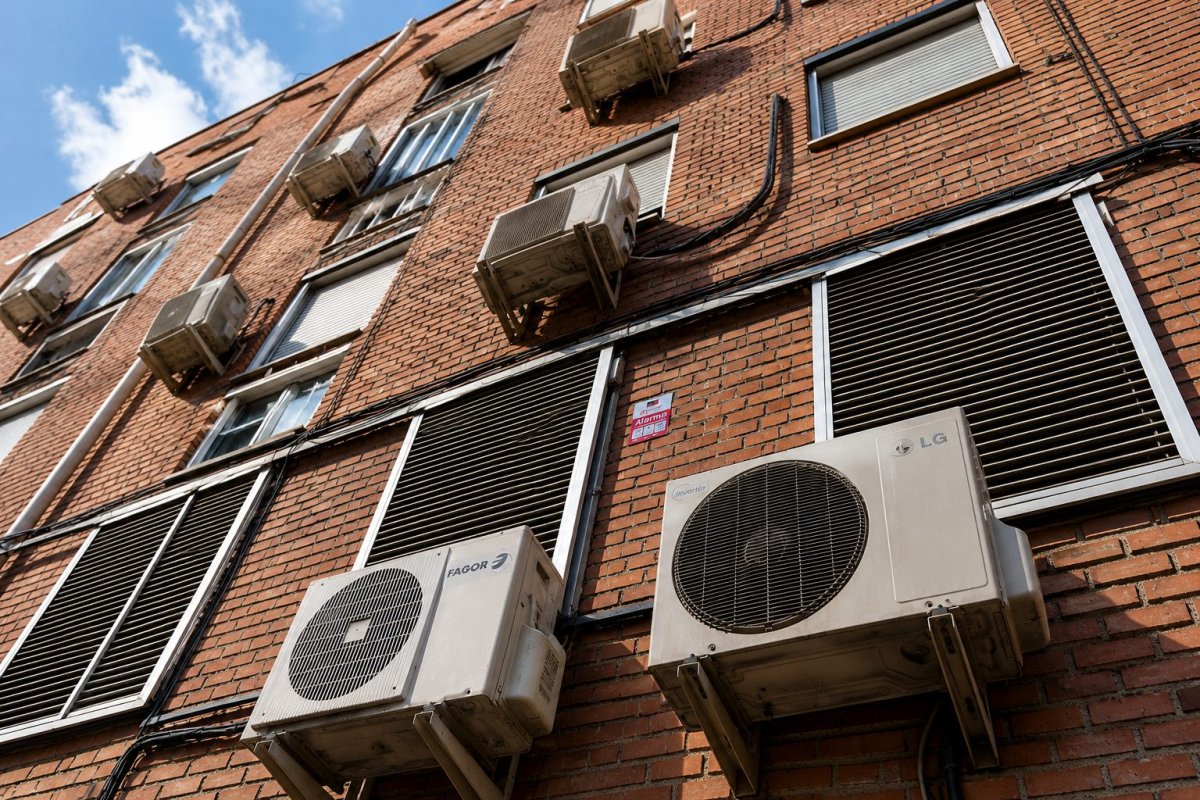
Major Asian cooling-equipment makers are seeing a sharp uptick in demand. Samsung Electronics (OTC: SSNLF) reported "sustained demand" through the cooling season, with double-digit first-half sales growth in Italy, Spain, and France. LG Electronics (OTC: LGEIY) noted that one of its AC production lines in South Korea has been at full capacity since April. China's Midea Group (SHE: 000333) said its PortaSplit model has sold out in some channels, and Mitsubishi Electric (OTC: MIELY) reported strong sales in France, Spain, the UK, and Germany. Online AC sales in Germany jumped about 37% in May, while shipments to Spain and France climbed 108% year-over-year. However, European AC ownership remains around 20%, with installation costs often exceeding 1,000 euros.
Grid Stress and Power Prices
The real test for investors is not just unit sales but the ability of grids to handle evening demand. Britain's National Energy System Operator (NESO) cited hotter weather, reduced wind and gas supply, and lower margins, triggering an Electricity Margin Notice this week. NESO emphasized that the notice is "not a warning of power cuts." However, the UK rushed to import power at a steep price, agreeing to pay £200 per MWh for enough electricity to serve about 3 million homes, nearly triple last June's average, according to The Guardian. State-owned EDF is investing 80 million euros in cooling French schools and childcare centers, while Hungary urged residents to limit AC use from 6 p.m. to 9 p.m.
AC as a Grid-Equipment Story
The International Energy Agency (IEA) notes that space cooling is the fastest-growing component of building energy demand, rising nearly 4% annually through 2035 under current policies. During early summer heatwaves in 2025, evening power demand in France peaked 25% above off-season averages, despite low AC ownership. The European Commission reports that the number of room air conditioners in the EU grew from under 7 million in 1990 to over 57 million in 2020, with projections exceeding 100 million units by 2030, including 70 million in homes. This would mean about 35% of households would have one cooling unit.
Supply Chain Expansion
German supply chains for AC and cooling gear are expanding. Destatis data shows production reached roughly 317,000 units in 2024, up 75.1% from five years ago, while import value climbed 48.2% to 949 million euros. Italy accounted for about a quarter of import value, followed by China and Sweden. Auto AC and parts are excluded from these figures.
Efficiency and Policy Challenges
Brian Motherway, head of energy efficiency at the IEA, told The Atlantic that portable air conditioners, popular in Europe, are "a panic-buy on a hot weekend." While fast-selling, they may not be optimal for grids. The long-term challenge involves fixed split systems, building codes, installer availability, and stricter efficiency standards. Policymakers face a delicate balance between immediate protection and avoiding high emissions. The World Health Organization warns that widespread AC use is "not a sustainable societal solution" but remains vital for those most at risk from heat. Stijn Renneboog, deputy secretary general of Eurovent, noted, "Cooling is still too often written off as a luxury." German demand for air conditioners and cooling units jumped 75% from 2019 to 2024, according to DW News.
Climate Change Context
World Weather Attribution concluded that the Western Europe heatwave was "virtually impossible" without human-induced climate change. More than 45% of 800 cities surveyed had already experienced or were expected to see their highest late-June heat stress, Reuters reported. This heatwave is not a temporary spike but a sign of a shifting climate, demanding both immediate adaptation and long-term investment in cooling technology and grid infrastructure.