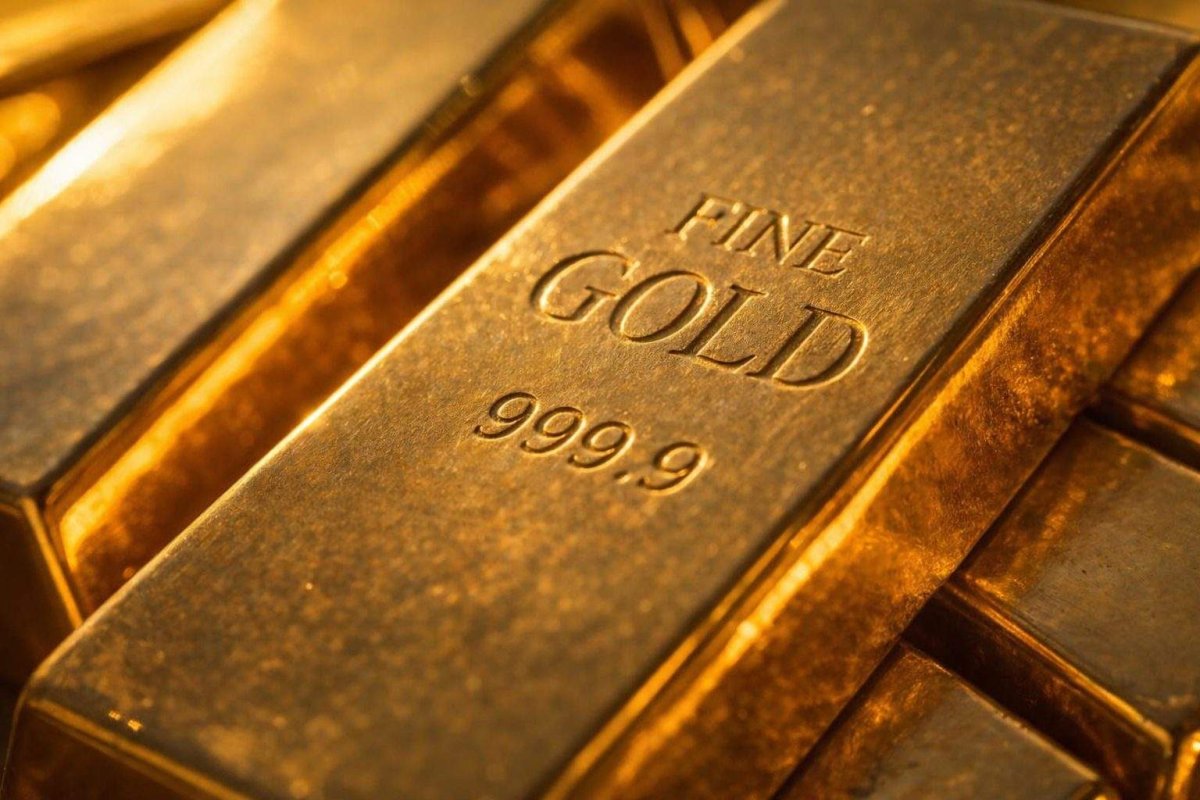
Gold prices retreated on Tuesday, February 10, 2026, as a strengthening U.S. dollar and a resurgence in equity markets diminished the metal's appeal as a safe-haven asset. Spot gold, representing immediate physical delivery, declined by 0.4% to $5,042.63 per ounce. The actively traded U.S. April gold futures contract followed suit, easing 0.3% to settle at $5,065.60. This pullback occurred despite a robust rally in the previous session that had pushed prices back above the psychologically significant $5,000 threshold.
Market Dynamics and Analyst Commentary
The primary catalysts for the day's weakness were a 0.1% gain in the U.S. Dollar Index and a broad-based advance in major stock indices. "A resurgence in risk appetite among investors, driven by the equity market's performance, has weighed on gold," noted Ricardo Evangelista, a senior analyst at ActivTrades. The metal remains substantially below its record high of $5,594.82, established on January 29, as the market continues to digest the volatile price action seen around the $5,000 level. This environment is far from tranquil, with the gold market exhibiting heightened sensitivity to traditional drivers like currency movements and interest rate expectations.
Given that gold is a non-yielding asset, its opportunity cost is directly tied to prevailing interest rates. Consequently, even minor shifts in market expectations for Federal Reserve policy can prompt swift and significant repricing. The recent volatility underscores that traders are closely monitoring these two levers with increased intensity.
Broader Market Context and Precious Metals Complex
The shift in sentiment followed a strong Monday session where gold jumped approximately 1.9% as the dollar weakened and investors positioned for a week packed with critical U.S. economic data. Bart Melek, Global Head of Commodity Strategy at TD Securities, identified the U.S. dollar as "the big mover" behind gold's fluctuations. Supporting the market's structural foundation, Eugenia Mykuliak of B2PRIME highlighted persistent official sector buying, exemplified by the People's Bank of China's reported gold purchases for a fifteenth consecutive month in January.
The weakness was not isolated to gold. The broader precious metals complex also traded lower, with silver, platinum, and palladium all recording losses. Furthermore, gold-linked exchange-traded funds (ETFs), which provide investors with exposure to the metal's price without physical ownership, mirrored the decline. In early U.S. trading, the SPDR Gold Shares (GLD) ETF fell about 1.1%, while the iShares Gold Trust (IAU) dropped nearly 1%.
Upcoming Catalysts: Jobs and Inflation Data
Market attention is now squarely focused on two imminent U.S. economic releases that will heavily influence interest rate forecasts. The January Employment Situation report is scheduled for release on Wednesday, February 11, at 8:30 a.m. Eastern Time. This will be followed by the January Consumer Price Index (CPI) data on Friday, February 13, also at 8:30 a.m. ET. A Reuters poll projects January payroll growth of 70,000, but any significant deviation from expectations could trigger substantial market moves.
Current market pricing, as reflected in tools like Investing.com's Fed Rate Monitor Tool, suggests expectations for easier monetary policy later in the year. However, the precise timing of any rate cuts remains a subject of intense debate. The immediate risk for gold is clear: if the payrolls or inflation figures surprise to the upside, it could catalyze a sharp rise in the dollar and Treasury yields, pressuring bullion prices downward.
For the moment, the gold market's ability to maintain a foothold above $5,000 will be tested by these fundamental data points. Traders are likely to process the jobs report first, using it to adjust positions ahead of the potentially more volatile CPI print. The interplay between equity market sentiment, dollar strength, and evolving rate expectations will continue to define gold's near-term trajectory as it navigates this high-stakes macroeconomic landscape.