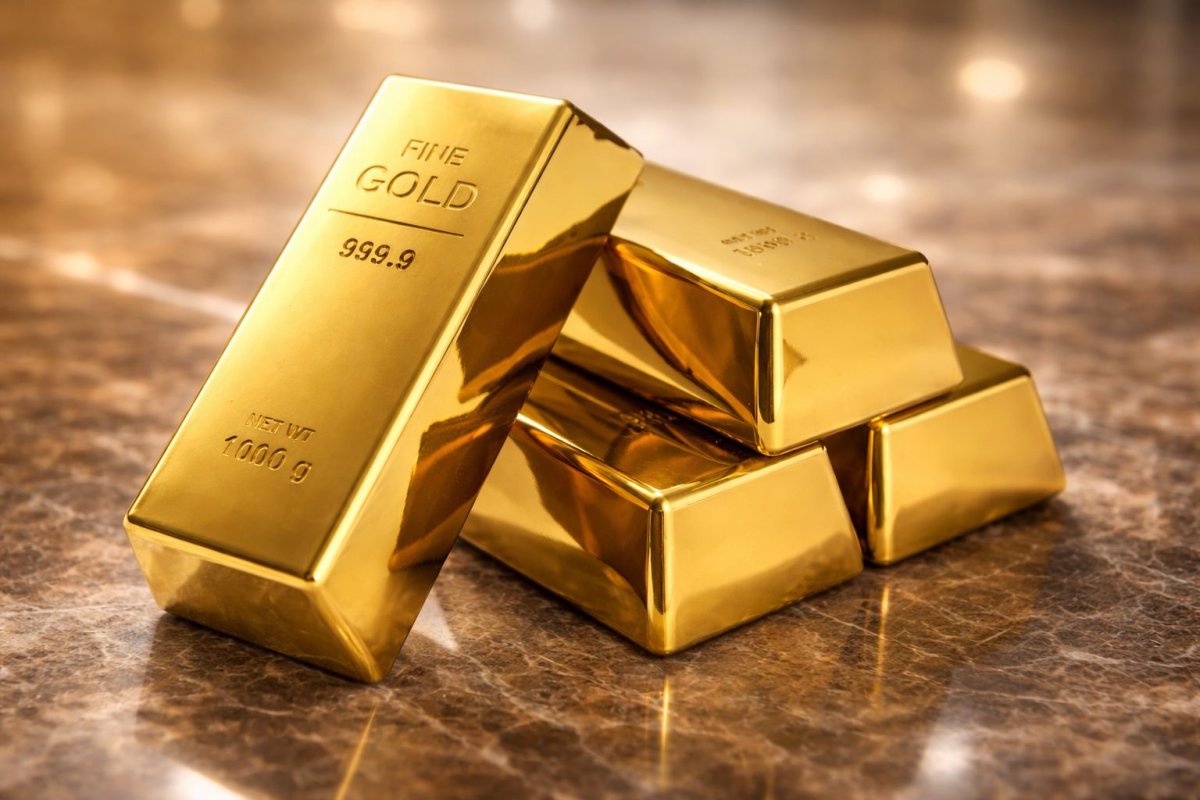
Gold prices retreated on Tuesday, relinquishing a portion of the previous session's sharp advance as a rebound in global equity markets and a firmer U.S. dollar dampened demand for the traditional safe-haven asset. Spot bullion traded at $5,040.47 per ounce by 0900 GMT, marking a decline of 0.5%. The April futures contract for U.S. gold also softened, falling 0.3% to $5,062.60.
Market Drivers: Dollar Strength and Risk Appetite
The primary headwinds for the precious metal were a 0.1% gain in the U.S. dollar index and renewed optimism in stock markets. Notably, Japanese equities extended their rally following the electoral victory of Prime Minister Sanae Takaichi, contributing to a broader shift in capital away from non-yielding assets like gold. Analysts noted that the resurgence of risk appetite was a key factor pressuring bullion prices. "The return of risk appetite has weighed on gold prices," stated Ricardo Evangelista, a senior analyst at ActivTrades.
This price action follows a volatile period for the yellow metal. On Monday, spot gold had surged 1.9% to close at $5,056.21, propelled by a 0.8% drop in the dollar to its weakest level in over a week. That move, which made dollar-priced gold cheaper for overseas buyers, underscored the metal's acute sensitivity to currency fluctuations. Bart Melek of TD Securities highlighted that "the big mover today is the U.S. dollar," a dynamic that remains central to short-term price direction.
Focus Shifts to Critical U.S. Economic Data
Market participants are now positioning for a high-stakes week of U.S. economic releases, which are expected to provide crucial signals on the Federal Reserve's interest rate path. The immediate focus is on the January nonfarm payrolls report scheduled for release on Wednesday, followed by the latest consumer price inflation (CPI) data on Friday. According to a Reuters survey, economists anticipate the economy added 70,000 jobs in January.
The interplay between these data points and gold is direct and powerful. As a zero-yield asset, gold becomes less attractive when interest rates rise, as higher yields increase the opportunity cost of holding it. Conversely, expectations for lower rates typically boost gold's appeal. Markets have currently priced in at least two 25-basis-point rate cuts from the Fed this year. However, this week's data could swiftly recalibrate those expectations.
A scenario where payrolls and inflation figures come in stronger than forecast could lead traders to pare back their bets on aggressive monetary easing. This would likely provide a fresh boost to the dollar and Treasury yields, creating a challenging environment for gold prices. Conversely, weaker-than-expected readings on jobs or inflation could reignite expectations for more imminent and deeper Fed rate cuts, potentially fueling another rally in bullion irrespective of the broader risk sentiment.
Structural Support and Broader Precious Metals Complex
Beyond short-term speculative flows, analysts point to sustained institutional demand providing a foundational layer of support for the market. Notably, China's central bank continued its accumulation strategy, reporting its 15th consecutive month of gold purchases in January. Eugenia Mykuliak, founder and executive director at B2PRIME Group, described this consistent official-sector buying as establishing a "structural floor" for prices, which hit a record high of $5,594.82 on January 29 before pulling back.
The broader precious metals sector also saw profit-taking on Tuesday after posting significant gains on Monday. This pullback across metals like silver and platinum suggests tactical traders are consolidating positions ahead of the key U.S. economic events. The overall narrative remains tightly bound to the outlook for U.S. monetary policy, with the upcoming payrolls and inflation reports poised to be the next major catalysts for the dollar and yield complex that ultimately steers gold's trajectory.