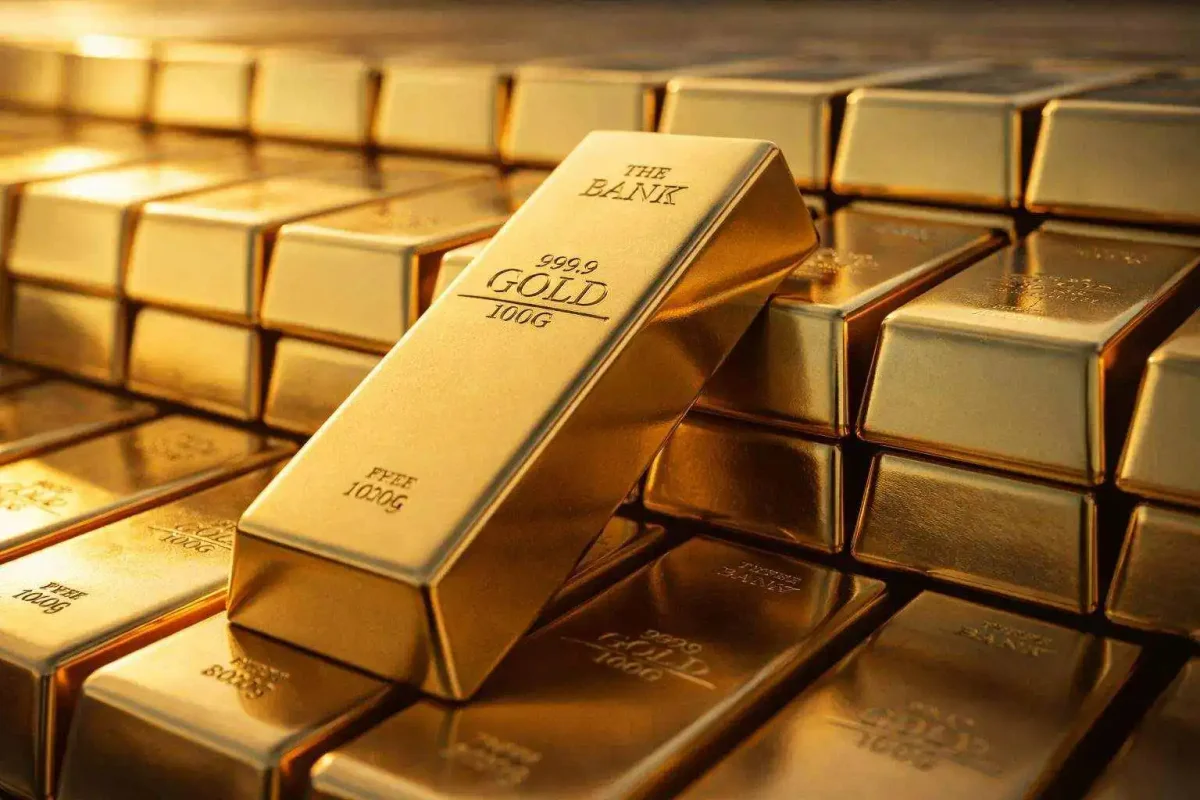
Gold staged a powerful rally on Friday, climbing back above the psychologically significant $5,000 per ounce threshold. The surge was driven by renewed market confidence that the Federal Reserve could begin cutting interest rates this year, following the release of softer-than-anticipated U.S. inflation figures.
Price Action and Market Drivers
Spot gold, representing the price for immediate delivery, advanced 2.1% to settle at $5,022.06 an ounce by the afternoon session in New York. U.S. gold futures for April delivery, which are contracts for future purchase or sale, closed nearly 2% higher at $5,046.30. The precious metals complex broadly participated in the move, with silver leaping 3.4% to $77.70 per ounce, while platinum and palladium also posted gains. Market participants characterized the move as a "relief rally" after recent volatility.
The catalyst was a U.S. Consumer Price Index (CPI) report for January that showed a modest 0.2% monthly increase, coming in below analyst forecasts. The annual inflation rate was reported at 2.4%. This data prompted a decline in Treasury yields, as investors interpreted it as reducing pressure on the Federal Reserve to maintain a restrictive monetary policy. One chief market strategist described the report as "better than expected," though other analysts cautioned that underlying price pressures could still present challenges for the central bank.
Shifting Rate Expectations
The inflation data prompted a significant repricing of interest rate expectations. According to market data, traders are now pricing in approximately 63 basis points, or 0.63 percentage points, worth of Fed rate cuts for the remainder of the year. The first reduction is currently anticipated to occur in July. This shift follows a surprise earlier in the week from a robust jobs report, which showed the U.S. economy added 130,000 positions in January, nearly double the consensus forecast of 70,000.
The U.S. dollar, which often moves inversely to gold, exhibited a more muted reaction on Friday but finished the week lower. The dollar index, which measures the currency against a basket of peers, dipped 0.07% for the session and was on track for a weekly loss of 0.84%. A weaker dollar typically supports dollar-denominated commodities like gold by making them less expensive for holders of other currencies.
The Week Ahead: A Holiday-Shortened Calendar
U.S. financial markets will be closed on Monday, February 17, in observance of Presidents' Day, creating a shortened trading week. Such periods can sometimes amplify price movements due to lower market liquidity.
Attention will quickly turn to several key economic releases. The primary focus will be the minutes from the Federal Reserve's January 27-28 policy meeting, scheduled for release on Tuesday, February 18, at 2:00 p.m. Eastern Time. Investors will scrutinize the details for insights into policymakers' views on inflation and the potential timing of any policy shift.
The economic calendar culminates on Friday, February 20, with two critical reports. The Bureau of Economic Analysis will release its initial estimate of fourth-quarter Gross Domestic Product (GDP), the broadest measure of U.S. economic growth. Concurrently, the agency will publish its Personal Income and Outlays report, which includes the Personal Consumption Expenditures (PCE) price index. The PCE index is the Federal Reserve's preferred gauge for tracking inflation, making it a highly influential data point for monetary policy outlook.
Market Implications and Risks
Gold's sharp rebound leaves the market sensitive to any developments that could challenge the newfound rate-cut narrative. A sudden rebound in bond yields, a strengthening U.S. dollar, or any public comments from Fed officials pushing back against aggressive easing expectations could trigger a wave of profit-taking. The metal has already experienced significant daily volatility, highlighting the market's current state of flux.
As trading resumes after the weekend hiatus, market participants will be closely monitoring the Fed minutes for directional cues, followed by the GDP and PCE data at week's end. The interplay between economic data and central bank signaling will likely dictate whether gold can sustain its position above the $5,000 mark.