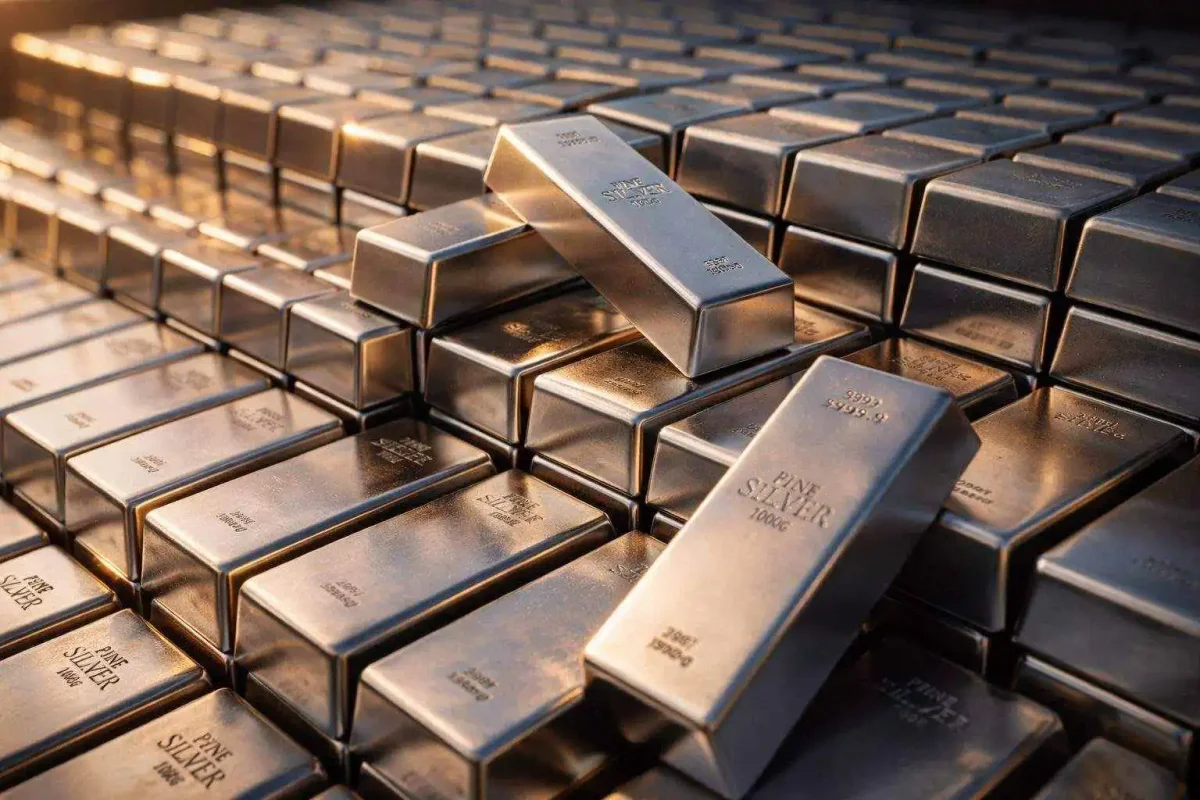
Silver markets experienced a dramatic reversal on Friday, with spot prices climbing 3.4% to settle at $77.70 per ounce. This recovery followed a significant selloff the previous day and was primarily driven by U.S. inflation data that came in below market expectations. The rally helped pare the precious metal's weekly losses to just 0.3%, demonstrating the volatile nature of current commodity trading.
Inflation Data Sparks Rate Cut Speculation
The Labor Department reported that the Consumer Price Index for All Urban Consumers increased 0.2% in January on a seasonally adjusted basis. Over the past twelve months, the all-items index rose 2.4% before seasonal adjustments. Core CPI, which excludes volatile food and energy components, advanced 0.3% for the month and 2.5% year-over-year. These figures, while still above the Federal Reserve's target, were sufficiently moderate to reignite expectations for potential interest rate reductions later this year.
Market participants now anticipate approximately 63 basis points of Federal Reserve rate cuts throughout 2026, with the first adjustment potentially arriving as early as July. This shift in expectations provided substantial support for non-yielding assets like silver, as lower interest rates typically reduce the opportunity cost of holding precious metals compared to interest-bearing instruments.
Thursday's Plunge and Technical Factors
The Friday rebound followed a severe 8.9% decline on Thursday that pushed silver prices down to $76.54 per ounce. That selloff was triggered by unexpectedly strong U.S. employment data, which showed total nonfarm payroll employment increasing by 130,000 positions in January while the unemployment rate held steady at 4.3%. The robust labor market figures initially dampened expectations for imminent monetary policy easing.
Technical factors exacerbated Thursday's decline as stop-loss orders were triggered during the downward move. This created a cascading effect that accelerated the selling pressure, according to market analysts. The dramatic swing between sessions highlights silver's heightened sensitivity to macroeconomic data and its tendency to exhibit amplified price movements compared to other assets.
Silver's Dual Nature and Market Dynamics
Silver's price volatility has consistently outpaced that of gold throughout the current year, reflecting the metal's unique dual characteristics. While it serves as a traditional investment asset and store of value, silver also functions as a crucial industrial component in electronics, electric vehicles, and solar panel manufacturing. This industrial demand component adds another layer of complexity to its price discovery process.
The Silver Institute's latest market outlook indicates that global silver demand is expected to remain relatively stable heading into 2026. The organization also noted that silver reached a record price of $121.60 per ounce on January 29, driven by substantial retail investor interest. This historical context underscores the metal's capacity for significant price appreciation under favorable market conditions.
Upcoming Catalysts and Market Risks
Market attention now turns to several key economic releases scheduled for the coming week. The Federal Reserve will publish minutes from its January 27-28 policy meeting at 2:00 p.m. Eastern Time on February 18. These minutes will be scrutinized for insights into policymakers' views on inflation trends and the potential timing of rate adjustments.
On February 20, the Bureau of Economic Analysis will release its advance estimate of fourth-quarter and full-year 2025 GDP data, along with Personal Income and Outlays figures that include the Personal Consumption Expenditures price index. The PCE measure represents the Fed's preferred inflation gauge and could significantly influence monetary policy expectations.
Market Implications and Trading Considerations
The immediate risk for silver traders lies in the possibility that upcoming data or Fed communications might adopt a more hawkish tone than currently anticipated. Any indication that rate cuts could be delayed or reduced in magnitude would likely pressure silver prices downward. Additionally, market liquidity may be affected by the Washington's Birthday holiday on Monday, potentially amplifying price movements during the remainder of the week.
Independent metals trader Tai Wong noted that silver is experiencing a relief rally following the moderate January CPI reading, which has alleviated some investor concerns about persistent inflation. This sentiment reflects the broader market dynamic where silver prices closely track shifts in interest rate expectations and U.S. dollar movements.
As traders position themselves for the upcoming data releases, silver's price action will likely remain volatile. The metal's sensitivity to both monetary policy expectations and industrial demand fundamentals creates a complex trading environment where multiple factors can drive significant price swings within short timeframes.