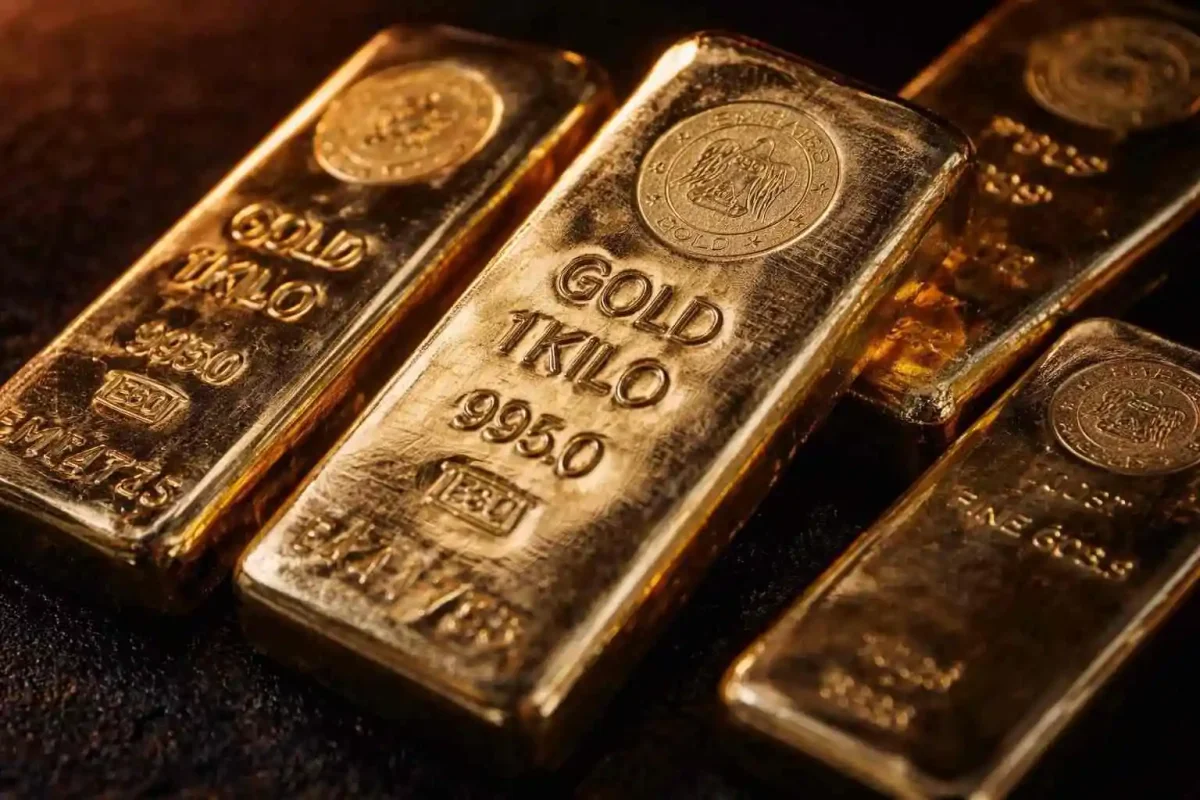
Gold prices managed a modest recovery on Friday, climbing 0.97% to settle at $4,538.30 per ounce, but the metal was unable to erase its losses for the month of May, which ended with a decline of more than 1%. The precious metal found support from a weaker U.S. dollar and lower oil prices, though the broader picture remains clouded by expectations that the Federal Reserve will maintain its tight monetary policy stance.
Market Focus Shifts to U.S. Jobs Data
All eyes are now on the upcoming U.S. jobs report for May, scheduled for release on June 5. Economists surveyed by Reuters project an increase of 85,000 jobs and an unemployment rate of 4.3%. This data will be critical in shaping market expectations for the Fed's next moves, especially after the personal consumption expenditures (PCE) price index—the Fed's preferred inflation gauge—rose 0.4% in April and 3.8% year-over-year. The core PCE, which excludes volatile food and energy prices, climbed 3.3% annually.
Fed Vice Chair for Supervision Michelle Bowman noted on Friday that it is too early to determine the full impact of the Iran conflict on the U.S. economy, but warned that if disruptions persist into the second half of the year, inflation pressures could broaden. The central bank is widely expected to keep its benchmark interest rate in the range of 3.50% to 3.75% following its June 16-17 meeting.
Physical Demand Remains Tepid
Physical gold demand in key markets continued to show weakness. In India, dealers offered discounts of up to $106 per ounce compared to official prices, widening from $78 the previous week, as a sharp increase in the import tax to 15% from 6% dampened buying interest. In China, premiums narrowed to between $9 and $12 per ounce, down from the prior range of $10 to $20, as buyers remained cautious, awaiting clearer signals from the Middle East. Peter Fung of Wing Fung Precious Metals noted that many potential purchasers are holding off, but expects renewed interest around the $4,360 level.
Central Bank Buying Provides Support
Despite weak retail demand, central banks continue to be a stabilizing force for gold prices. The World Gold Council reported that net central bank gold purchases reached 244 tonnes in the first quarter of 2026, a 17% increase from the previous quarter. Poland and Uzbekistan were among the largest reported buyers. This sustained official sector buying has helped provide a floor under prices, even as jewelry demand falters at elevated levels.
Mixed Performance in Precious Metals
Other precious metals showed a mixed performance. Silver held steady at $75.62 per ounce on Friday, on track for a monthly gain. In contrast, platinum edged down 0.3%, while palladium slipped 1.1%, leaving the latter down more than 11% for the month.
Outlook and Key Risks
Analysts are divided on whether the late-May bounce can be sustained. Adam Button, head of currency strategy at Forexlive.com, pointed out that oil markets are pricing in an end to the conflict, while gold has not yet adjusted accordingly. Lukman Otunuga of FXTM suggested that a weaker-than-expected jobs number could provide further support for gold by tempering expectations for higher U.S. interest rates.
The key risks ahead include a stronger-than-expected payrolls report or persistent energy-driven inflation, both of which could push Treasury yields higher and trigger selling in non-yielding assets like gold. Conversely, a disappointing jobs figure or renewed geopolitical tensions in the Middle East could make it difficult to maintain short positions on bullion. S&P Global noted that global PMI data due this week will also provide insights into how energy prices and supply chain disruptions are affecting economic growth.