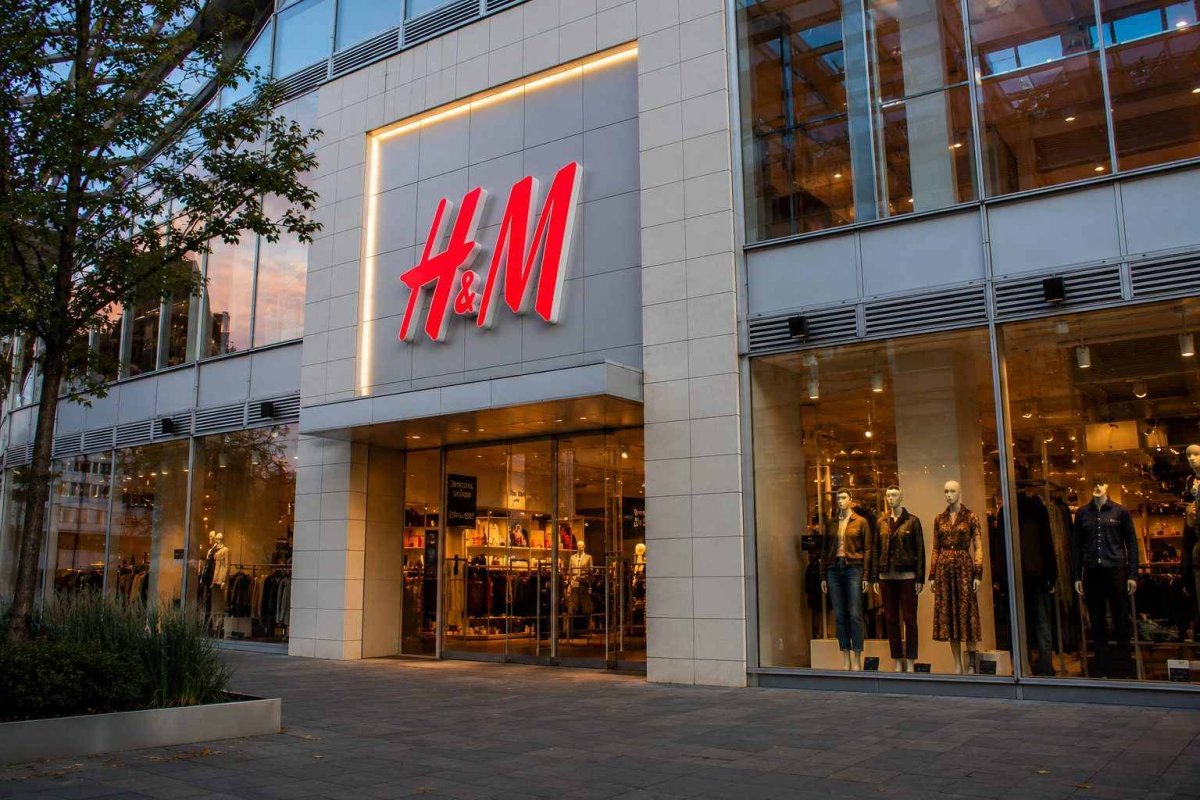
Shares of H&M Hennes & Mauritz AB (STO:HM-B) declined 0.95% to SEK 166.10 in Stockholm trading on Thursday, following the release of second-quarter results that showed a drop in net sales and profit below market expectations. The Swedish fast-fashion retailer reported net sales of SEK 54.83 billion for the March-to-May period, down from SEK 56.71 billion a year earlier—a 3% decline in Swedish kronor and a 1% dip in local currencies. The stronger krona shaved nearly 3 percentage points off reported sales, the company noted.
The sales weakness was most pronounced in Western Europe, H&M's largest regional market accounting for roughly 35% of total revenue. Sales in that region fell 3% in local currencies, with CEO Daniel Ervér pointing to sluggish performance in Germany and the UK as inflation and high energy costs weighed on consumer spending. Southern Europe posted a 5% gain, but that region is less than half the size of Western Europe in terms of reported sales. Asia, Oceania, and Africa saw 2% growth in local currencies, though those markets remain relatively small.
Despite the topline pressure, H&M managed to lift its gross margin to 56.6% from 55.4% a year ago, benefiting from a 10% reduction in stock-in-trade to SEK 34.94 billion. Operating profit before one-off items rose 11% to SEK 6.59 billion, representing a 12.0% margin. However, after accounting for restructuring and transition costs, operating profit came in at SEK 5.91 billion, virtually unchanged from last year and missing the SEK 6.38 billion consensus forecast from an LSEG poll.
CEO Ervér acknowledged that tighter inventory management had, in some cases, limited the company's ability to fully meet customer demand. "The tighter inventory management has, however, in some cases affected our ability to fully meet demand," he said in the earnings release. He added that H&M aims to improve its demand forecasting to better align supply with customer preferences. The company's stock-in-trade fell to 15.8% of rolling 12-month sales, down from 16.6% a year earlier.
Morningstar analyst Jelena Sokolova described the demand shortfall as a surprise, noting that "H&M's turnaround continues to disappoint." H&M B shares were trading just under Morningstar's SEK 169 fair value estimate after the earnings miss. The retailer's store count also declined, with 4,038 locations as of May 31, down 128 from a year earlier. H&M plans to open around 90 new stores and close about 170 in 2026, as part of its ongoing store optimization program, which it expects to have a slightly positive effect on full-year sales.
Looking ahead, H&M faces headwinds from rising raw-material costs. CFO Adam Karlsson told Reuters that rising polyester and cotton prices, linked to the Iran war, are making margin forecasting difficult. He noted that these cost increases typically take six to eight months to flow through to gross margin. If sales remain soft, H&M may need to increase promotional activity, which could further squeeze margins. The company continues to compete fiercely with Zara parent Inditex (BME:ITX) and low-cost online players like Shein.
On a more positive note, H&M is adapting to changing weather patterns. CEO Ervér told Reuters that the retailer is incorporating lighter materials into its autumn range, as hotter summers become more persistent. "We see that the tendency is that summer runs longer," he said. H&M continues to forecast June sales in local currencies roughly flat compared with last year. The company also highlighted that its new European warehouses are expected to come online in 2026 and 2027, which should improve availability while maintaining lower inventory levels.