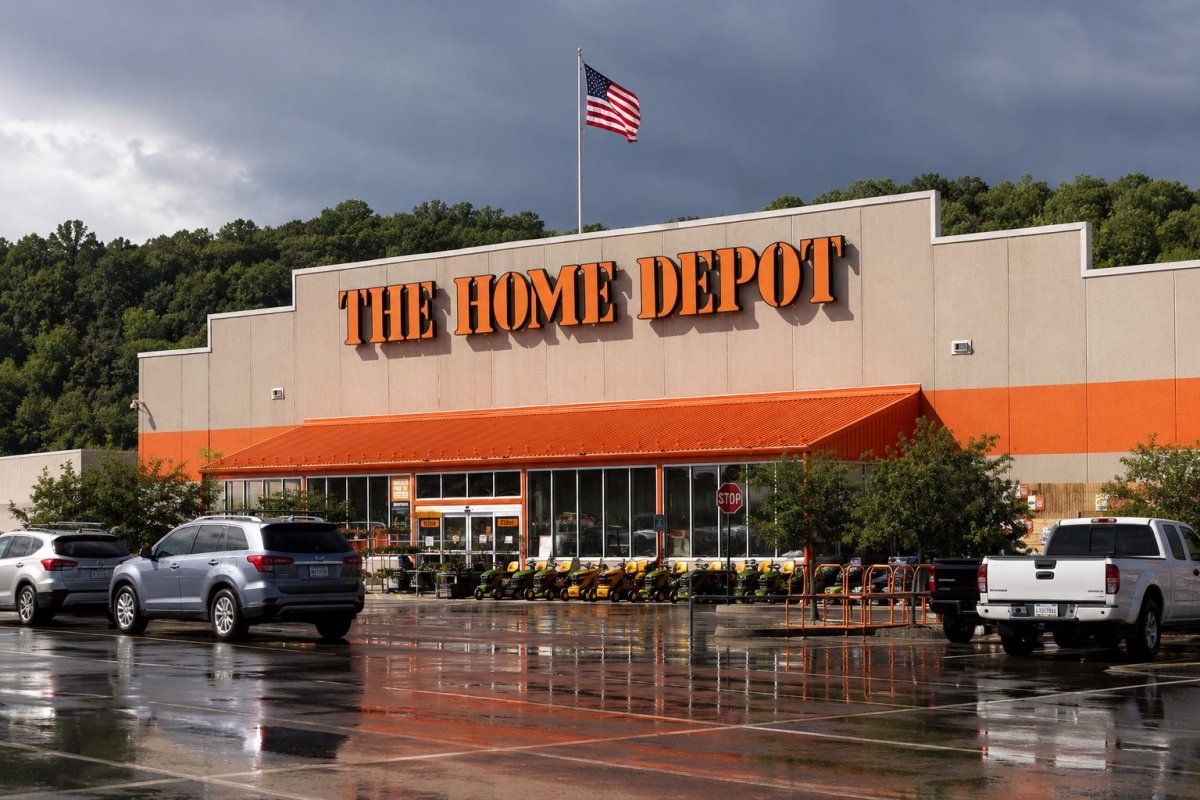
Home Depot's first-quarter earnings report on Tuesday painted a mixed picture of the housing market, with total sales exceeding expectations but comparable sales falling short of analyst forecasts. The home improvement retailer posted revenue of $41.8 billion for the quarter ended May 3, a 4.8% increase year-over-year, beating the LSEG consensus estimate of $41.52 billion. However, comparable sales—which include stores and online channels open at least a year—rose just 0.6%, below what analysts had predicted. U.S. comparable sales were up only 0.4%.
Net earnings dipped to $3.3 billion, or $3.30 per share, from $3.4 billion, or $3.45 per share, in the same period last year. Adjusted earnings fell to $3.43 per share from $3.56. The company left its 2026 guidance unchanged, still expecting total sales growth of 2.5% to 4.5% and comparable sales to be flat to up 2%. Diluted EPS growth is forecasted to range from flat to 4% for fiscal 2025, with plans to open approximately 15 new stores.
The results come as the housing market continues to grapple with elevated borrowing costs and affordability constraints. Home Depot's numbers provide an early indicator of whether U.S. homeowners are spending on repairs and renovations as the retail earnings season ramps up. Lowe's, a key competitor, is set to report on Wednesday, and big-box retailers Target and Walmart will follow later in the week, offering broader insights into consumer spending trends.
CEO Ted Decker noted that demand is "relatively similar to what we saw throughout fiscal 2025," despite "greater consumer uncertainty and housing affordability pressure." The company remains in a holding pattern, with no clear signs of a pickup in housing-related spending. High mortgage rates and slow home turnover are weighing on big remodeling projects, even as consumers continue to buy essential repairs and supplies.
Customer behavior showed mixed signals. Transactions declined 1.3%, but the average ticket rose to $92.76 from $90.71, indicating that shoppers are spending more per visit but visiting less frequently. Home Depot saw support from both professional contractors and DIY homeowners picking up spring items, according to the Associated Press.
The company is increasingly focusing on professional customers—contractors and builders—who tend to spend more on larger projects than do-it-yourself shoppers. Home Depot has invested in new store tools and digital features for these "Pro" customers, including an AI project-planning tool launched last year, as reported by Reuters.
Broader housing market data remains soft. Existing-home sales in April were little changed, coming in at a 4.02 million annual pace. The market has been sluggish since mortgage rates began climbing in 2022, according to the Associated Press. If home turnover remains low, large spending categories like flooring, lumber, and lighting could continue to feel the squeeze.
Oppenheimer analyst Brian Nagel, cited by Barron's, noted that Home Depot faces headwinds from higher interest rates and softer consumer confidence. While sound execution might help margins, it is unlikely to spur a new housing boom. Wall Street is not seeing a clear signal from Home Depot's report—the retailer is not indicating a sharp drop in consumer demand, but there is also no evidence of a broader recovery in housing-related spending.
Lowe's report on Wednesday will be closely watched to determine whether Home Depot's results are company-specific or reflect wider sector trends. Walmart's results later in the week will provide a more comprehensive view of the American consumer's financial health.