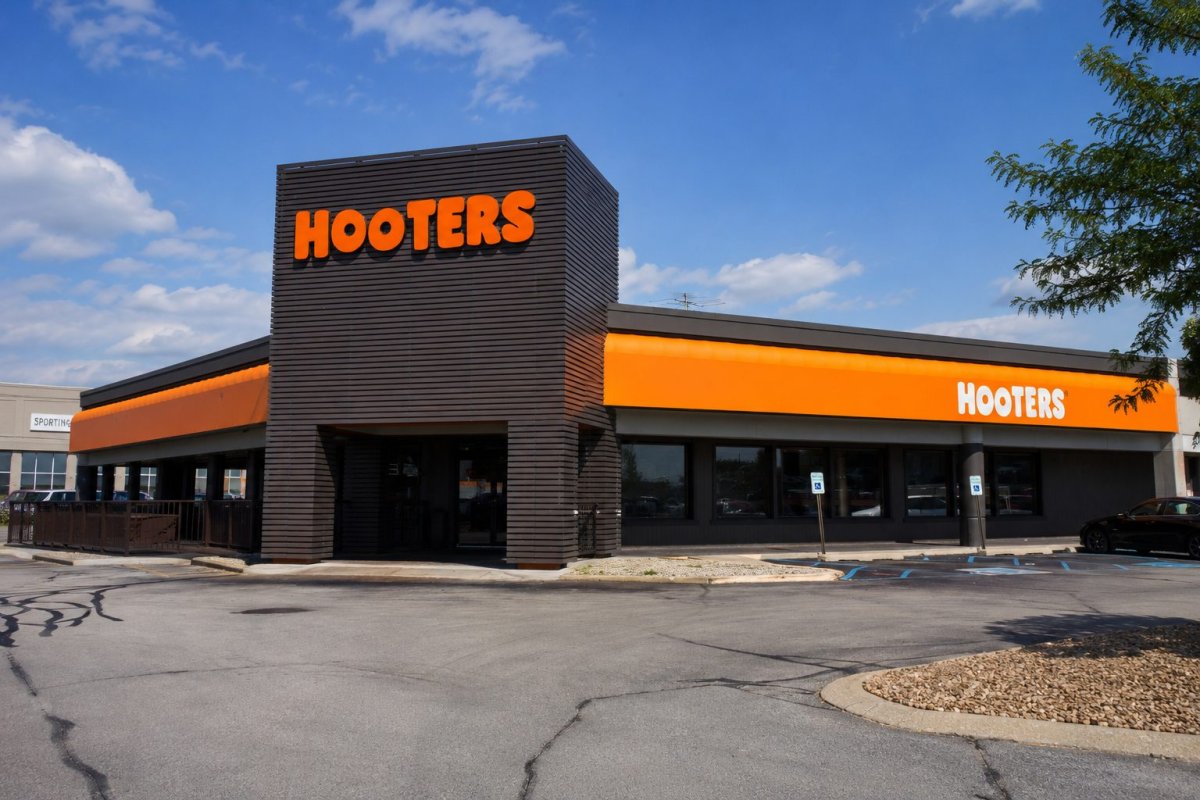
Hooters is undertaking a significant transformation as new owners seek to reposition the struggling sports-bar chain for a broader audience. The company, which emerged from Chapter 11 bankruptcy in March 2025 after addressing $376 million in debt, has begun updating approximately 140 of its 198 U.S. locations as part of a strategy to shed its longstanding image and appeal to families.
A New Direction for the Chain
CEO Neil Kiefer outlined the company's vision, stating that the goal is to "take back the Hooters name" by restoring older-style uniforms and improving menu offerings. The revamp aims to shift the brand from its dated sexualized reputation toward a beach-themed neighborhood restaurant concept. The chain also operates about 60 international locations.
The timing of this makeover is critical. Casual dining chains across the United States have been under pressure from rising food and labor costs, persistent inflation, and cautious consumer spending. Competitors such as TGI Fridays and Red Lobster have faced similar headwinds, highlighting the challenging environment Hooters is navigating.
Operational Challenges and Local Incidents
While the company focuses on its turnaround, it recently dealt with an unrelated local incident that garnered media attention. A Florida Hooters location was involved in a police report after a bystander witnessed a fight inside a minivan and followed the vehicle to the restaurant. Authorities arrested a 23-year-old woman on a misdemeanor domestic battery charge after reviewing cellphone video. Reports did not indicate any wrongdoing by the restaurant or its staff, but such headlines create awkward publicity for a company trying to distance itself from its past.
Kiefer acknowledged the difficulty of the transition, noting that some acquired locations may still close if they cannot achieve profitability. The company is betting that a focus on food quality and a cleaner atmosphere will attract women, families, and younger diners who may be turned off by the brand's history.
Market and Brand Strategy
Brand strategist Jordan Lee of The PR Group noted that younger consumers prioritize "authenticity, inclusivity, and the dining experience itself" over dated sexual branding. This shift in consumer values underscores the challenge Hooters faces in retaining its traditional customer base while expanding its appeal.
The chain's "re-Hooterization" effort, as Kiefer has called it, involves more than just cosmetic changes. The company is investing in fresher ingredients and upgrading the physical spaces of its restaurants. However, the success of these initiatives will depend on consistent execution across its franchise-heavy system, where performance can vary by market.
As Hooters works to prove that a uniform change and menu refresh can drive traffic, the ultimate test will be whether families feel welcome walking through the doors. The company is betting that a softer image and better food can revive a brand that has struggled to stay relevant in a competitive dining landscape.