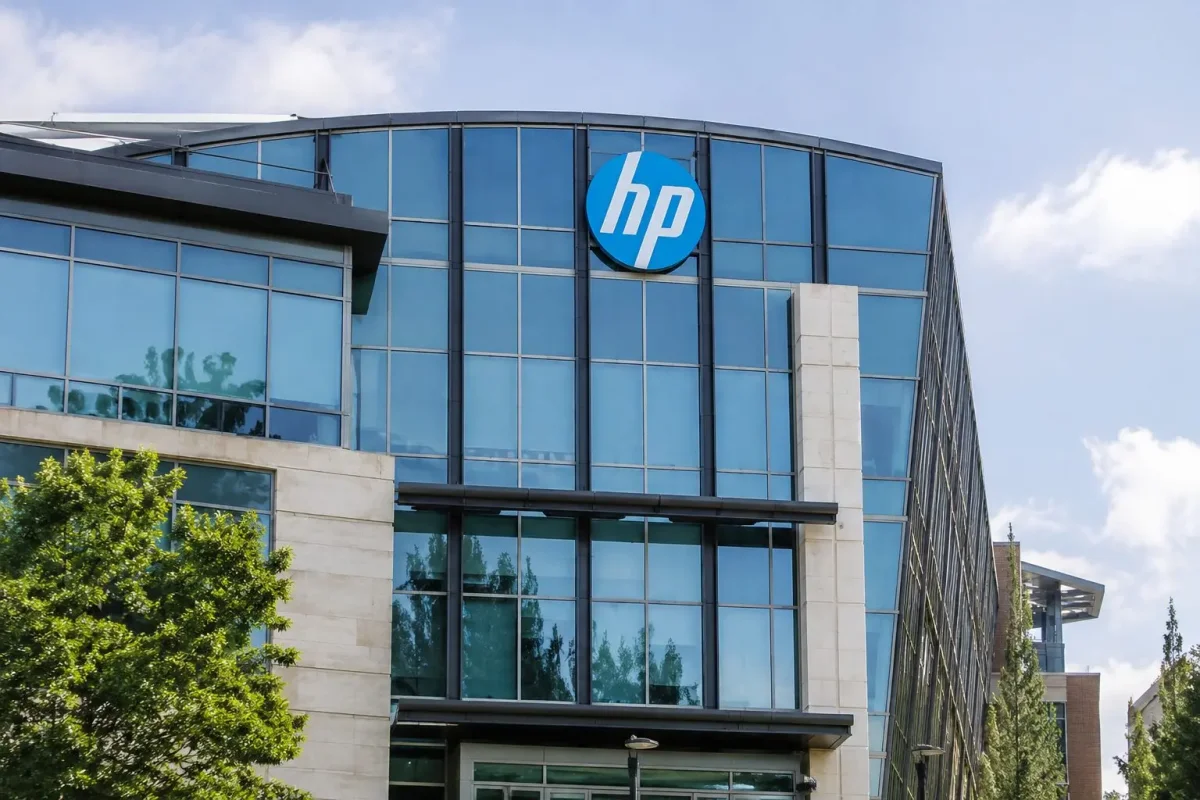
HP Inc. shares experienced significant volatility late Wednesday following the release of its fiscal second-quarter results, which surpassed analyst expectations. The stock closed regular trading up 4.4% at $25.49, then surged as much as 15% in after-hours trading before retreating to more modest gains, according to Reuters. The mixed price action reflects investor caution amid a complex macroeconomic environment for PC makers.
For the quarter ended April 30, HP reported net revenue of $14.4 billion, a 9% increase year-over-year, while adjusted earnings came in at 86 cents per share, well above the consensus estimate of 71 cents from LSEG analysts. The company's Personal Systems division was the standout performer, with PC revenue climbing 13% to $10.2 billion. However, total PC units shipped declined 7%, suggesting that improved pricing, product mix, and favorable currency effects drove the revenue growth rather than volume expansion.
The earnings beat was largely fueled by robust demand for AI-enabled PCs and the ongoing corporate upgrade cycle tied to Microsoft's end of support for Windows 10 last year. Businesses have been refreshing their hardware, providing a tailwind for HP, Dell Technologies, and Lenovo. At the same time, the rapid buildout of AI data centers has tightened supply of memory and storage components, pushing costs higher and squeezing margins across the industry.
Interim CEO Bruce Broussard highlighted HP's strategic pivot toward "intelligent devices, edge AI, and connected experiences" even as the company navigates "rising commodity costs." CFO Karen Parkhill echoed that sentiment, stating that HP is "executing with discipline in a dynamic environment." However, the company's GAAP earnings of 49 cents per share fell short of its own second-quarter guidance range, underscoring the impact of cost pressures.
HP's printing segment remained flat, with revenue steady at $4.2 billion and an operating margin of 18.3%. The lack of growth in this division, which has historically been a stable profit center for HP, adds to concerns about the company's overall margin trajectory.
Looking ahead, HP guided for third-quarter adjusted earnings between 61 cents and 71 cents per share. For the full fiscal year, the company maintained its adjusted earnings forecast at $2.90 to $3.10 per share, but trimmed the top end of its previous outlook of $3.20, citing rising memory and storage costs. Free cash flow is expected to range between $2.8 billion and $3.0 billion.
The competitive landscape remains intense. Lenovo recently posted a 27% quarterly revenue surge, beating forecasts on strong PC demand ahead of anticipated price increases. Dell Technologies is also grappling with AI-related component headwinds that are pressuring margins. HP's ability to sustain revenue growth amid these challenges will depend on whether AI PCs and the Windows 11 upgrade cycle can offset the inflationary impact on components.
In broader market context, HP's stock movement outpaced the broader indices. The S&P 500 finished nearly flat, up 0.02%, while the Dow Jones Industrial Average gained 0.36%. Dell shares were little changed. HP is scheduled to present at the Evercore TMT conference on June 2, where management may provide further clarity on its strategy and outlook.