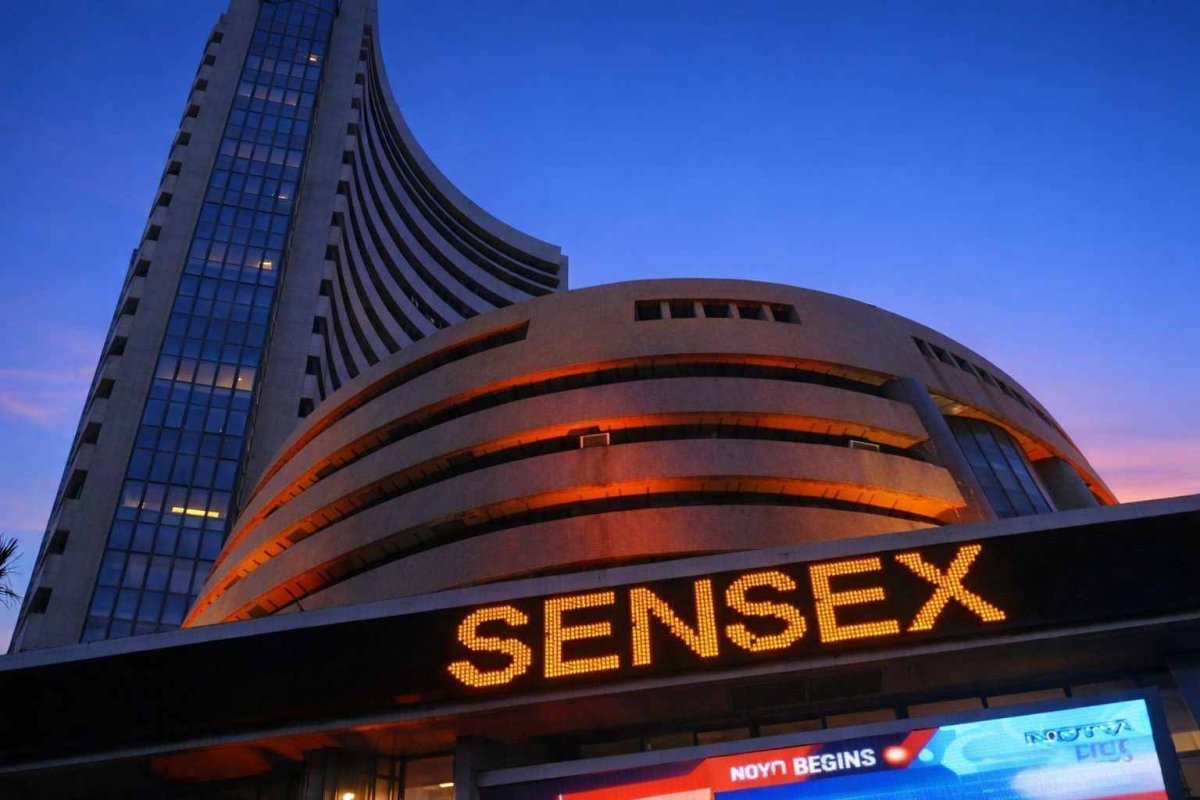
Indian equity markets staged a partial recovery on Friday, February 20, 2026, closing in positive territory after a steep sell-off in the prior session. The benchmark Nifty 50 index advanced 0.46% to settle at 25,571.25, while the Sensex gained 0.38% to finish at 82,814.71. The rebound provided some relief to investors who had witnessed the sharpest single-day drop in over two weeks on Thursday.
Heavyweights Lead the Charge
The recovery was primarily driven by strong performances from key index constituents. Reliance Industries, ICICI Bank, and Larsen & Toubro provided crucial support, helping to offset weakness elsewhere. Market participants noted a tactical bounce, with technical analysts highlighting the Nifty 50's 200-day simple moving average near the 25,300 level as a significant support zone. In contrast, the information technology sector was a notable laggard, declining 0.5% to become the only major sectoral index trading in negative territory for the day.
Currency and Commodity Pressures
While equities found footing, the Indian rupee faced continued pressure, weakening 0.3% to 90.9825 against the US dollar. This marked the currency's steepest weekly decline in a month, with traders citing interventions by the Reserve Bank of India to prevent a breach beyond the 91-per-dollar level. The rupee's struggles were compounded by elevated crude oil prices, with Brent crude hovering near $71.5 per barrel. Analysts pointed to the dollar's enhanced safe-haven appeal during periods of geopolitical tension, which often coincides with rising oil prices—a dual concern for India as the world's third-largest crude importer.
"For India, this is worrisome because we are a major crude importer and any sustained rise in oil prices feeds straight into market sentiment and the economy through imported inflation," remarked Aishvarya Dadheech, founder and chief investment officer at Fident Asset Management. The market's sensitivity to oil price shocks remained a dominant theme, influencing both currency movements and broader equity sentiment.
Notable Corporate Action
In individual stock news, Novartis India shares surged nearly 20% following a significant corporate development. Its Swiss parent company, Novartis AG, entered into an agreement to sell a 70.68% stake to a private equity-led consortium in a deal valued at approximately $159 million. The buying consortium also launched a mandatory open offer for an additional 26% of the company's shares, priced at 860.64 rupees per share in compliance with Indian takeover regulations. Despite this sharp move, the transaction had a limited impact on the broader market indices.
Market Sentiment Remains Cautious
Despite Friday's gains, the overall market sentiment appeared fragile. The rally was characterized by selective buying in major banks and index leaders, suggesting investors were capitalizing on dips rather than expressing broad-based confidence. The information technology sector's underperformance reflected ongoing jitters about the earnings outlook for the sector, partly clouded by evolving narratives around artificial intelligence adoption and its competitive implications.
Volatility remained elevated, with India's volatility index touching 14.36 during the week, indicating persistent investor anxiety. The market's recovery was seen as tentative, with analysts warning that another spike in crude prices or a strengthening US dollar could easily trigger renewed selling pressure similar to that witnessed on Thursday.
Focus Shifts to Key Data
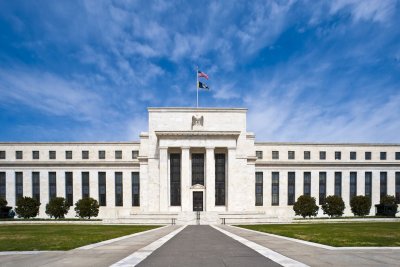
Attention now turns to critical macroeconomic data from the United States. The release of the Personal Consumption Expenditures (PCE) price index, the Federal Reserve's preferred inflation gauge, is keenly awaited by global traders. This report is expected to provide fresh signals regarding the timing of potential interest rate cuts and the future direction of the US dollar, both of which have profound implications for emerging markets like India.
With Indian markets closed for the weekend, the next trading session on Monday will be the first opportunity for investors to react to any new developments in Middle East geopolitical risks or the latest US inflation figures. The interplay between oil prices, currency movements, and global monetary policy cues is likely to dictate near-term market direction.