Indian equity markets staged a recovery on Monday, halting a recent slide as heavyweight financial and energy stocks attracted buyers. The benchmark Nifty 50 index advanced 0.83% to close at 25,682.75, while the Sensex climbed 0.79% to finish the session at 83,277.15. The gains provided some relief after last week's downturn, which was primarily fueled by weakness in the information technology sector.
Sectoral Leadership and Technical Resistance
The rally was led by the banking and energy sectors, with defensive names also holding firm. In contrast, media and automobile stocks underperformed, limiting the overall advance of the major indices. From a technical perspective, the Nifty 50 encountered resistance near a key trend indicator. The index concluded trading marginally below its 100-day moving average, with analysts identifying the 25,690 level as the immediate resistance zone to watch.
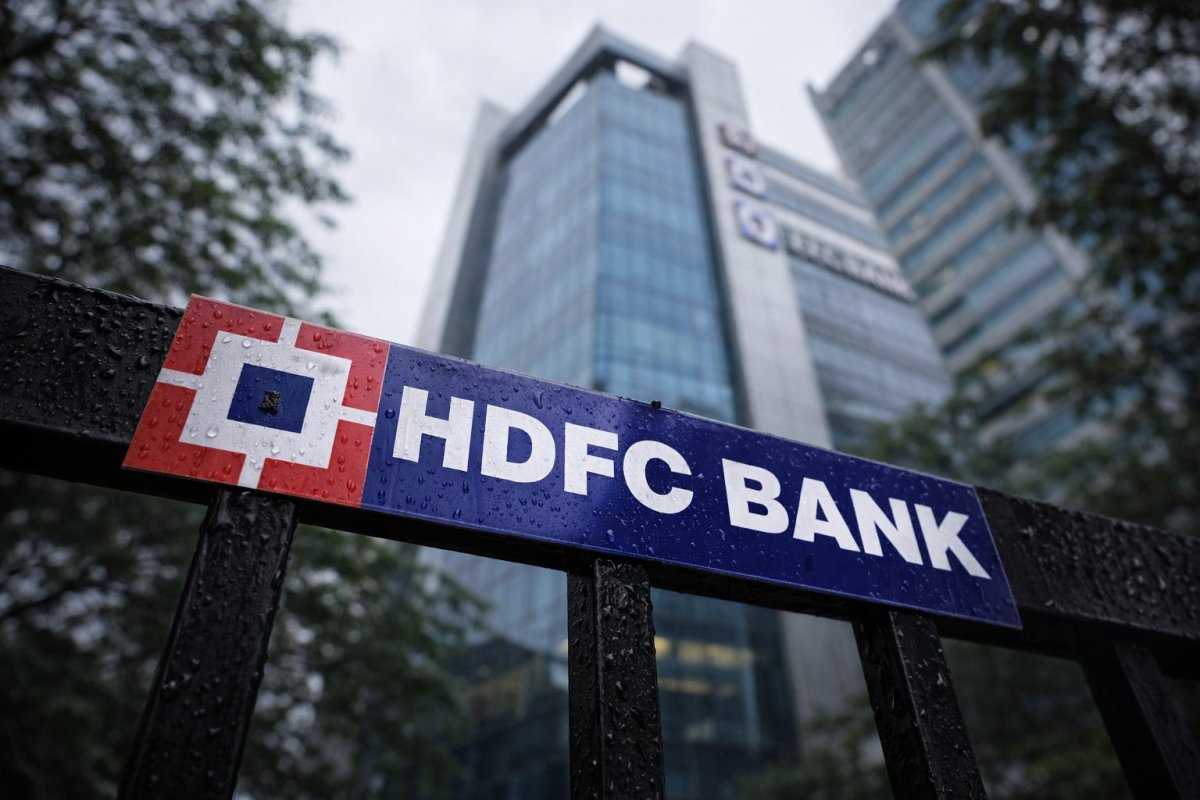
During the session, the Nifty 50 exhibited notable volatility, oscillating between an intraday low of 25,377.10 and a high of 25,695.65 after opening at 25,423.60. It ultimately settled near the day's peak. Large-cap stocks were instrumental in driving the indices higher. HDFC Bank surged 2.4%, and Reliance Industries added 1.2%, as investors returned to these key names following recent declines.
Regulatory Headwinds for Capital Markets
Not all sectors participated in the upturn. Stocks linked to capital markets faced significant selling pressure after the Reserve Bank of India announced stricter lending guidelines for banks dealing with brokers and other intermediaries. The new rules, set to take effect on April 1, will require banks to fully secure all credit extended to entities regulated by the Securities and Exchange Board of India. Furthermore, banks will be prohibited from financing brokers' proprietary trading activities, and collateral requirements for bank guarantees provided to exchanges and clearing houses will be increased.
The regulatory shift weighed heavily on related stocks. Shares of BSE plummeted as much as 9.9%, while Angel One, Groww, and Motilal Oswal also registered losses. Analysts warned that the changes could increase funding costs for proprietary trading and disrupt existing margin-trading arrangements.
Stock-Specific Moves and IPO Debut
Beyond the indices, several individual stocks made notable moves. Torrent Pharmaceuticals gained 4.5% following a reported increase in its December-quarter profit. Natco Pharma jumped 7% after securing approval to launch a generic version of the diabetes and weight-loss drug semaglutide in India.
The market also absorbed the trading debut of Fractal Analytics, a company in the artificial intelligence space. Its shares declined approximately 5% on the first day of trading. Market observers noted that the premium the stock once commanded in the unlisted market had dissipated amid growing investor concerns about AI-driven disruption across various service sectors.
Broader Market Sentiment and Outlook
Despite the day's rebound, overall market sentiment remained fragile. Analysts pointed out that the recovery in banks and energy does not fully resolve the underlying pressure from the technology sector, which experienced a steep sell-off last week. Worries persist that automation and artificial intelligence could dampen demand for traditional IT services, keeping the sector on unstable footing.
Looking ahead, Tuesday's session is viewed as a critical test for the Nifty 50's ability to reclaim its position above the 100-day moving average. Traders will be monitoring banking stocks for sustained momentum and assessing the potential ripple effects of the RBI's upcoming funding restrictions on brokerage firms and exchange operators. The Indian rupee ended the day largely unchanged, trading near 90.66 against the U.S. dollar.