Intel Corporation has announced a significant strategic move to regain complete ownership of a key semiconductor manufacturing facility. The chipmaker will pay $14.2 billion to repurchase the 49% stake held by Apollo Global Management in its Fab 34 plant located in Leixlip, Ireland. This transaction restores Intel's full control over the advanced production site.
Market Reaction and Financing
Investors responded positively to the news, driving Intel's share price upward. The stock closed at $50.38 on Thursday, marking a 4.9% gain for the session. This followed an even more substantial 8.8% surge the previous day, resulting in a combined two-day increase of nearly 14%. To fund the buyback, Intel plans to utilize existing cash reserves and raise approximately $6.5 billion in new debt.
Strategic Timing and Facility Details
The timing of this buyback is particularly noteworthy as it coincides with rising demand for server central processing units (CPUs). These components are essential for powering artificial intelligence accelerators and handling inference workloads, where AI models generate responses. The company is scheduled to report its first-quarter financial results on April 23, which will provide further insight into this demand trend.
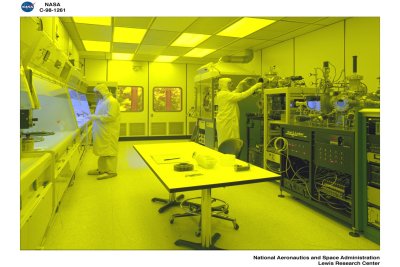
Fab 34 is a critical asset in Intel's manufacturing network. The facility produces chips using the company's Intel 4 and Intel 3 process technologies. Its output includes Core Ultra processors for personal computers and Xeon 6 chips designed for servers. Intel has emphasized that Ireland remains a central component of its long-term manufacturing roadmap.
Background and Financial Context
Apollo originally acquired its stake in the fab for $11.2 billion in 2024. At that time, Intel sought external capital to support its aggressive factory expansion plans across Europe and the United States without overextending its own balance sheet. The current repurchase represents a significant premium over Apollo's initial investment.
Intel's Chief Financial Officer, David Zinsner, stated that the company now possesses a stronger financial position. Management expects the transaction to contribute positively to ongoing earnings per share (EPS) and to enhance the firm's credit profile beginning in 2027.
Broader Manufacturing Strategy
This deal occurs as Chief Executive Officer Lip-Bu Tan continues to reshape Intel's manufacturing approach. In March, company executives indicated that Intel's advanced 18A chipmaking technology, previously slated primarily for internal use, might once again be offered to external customers. This signals a potential renewed push into the competitive foundry, or contract manufacturing, business, a market currently dominated by Taiwan Semiconductor Manufacturing Company (TSMC).
Competitive Landscape and Challenges
Despite this strategic move, Intel's competitive challenges remain multifaceted. The company continues to vie for foundry business against TSMC. In its core product segments, Intel's server chips compete alongside Nvidia's dominant graphics processors, while its personal computer business faces persistent pressure from Advanced Micro Devices (AMD). Notably, some of Intel's previous-generation PC chips were manufactured largely by TSMC, highlighting the complex interdependencies in the semiconductor industry.
Analyst Perspectives and Credit Outlook
Recent analyst commentary has turned more optimistic. UBS analyst Timothy Arcuri suggested the buyback signals confidence in the Intel Foundry services business. Similarly, D.A. Davidson analyst Gil Luria viewed the move as a positive indicator for the company's broader turnaround efforts. In January, Gabelli Funds analyst Ryuta Makino remarked that the near-term environment for Intel appeared the most favorable it had been in years.
However, the financing of this deal introduces new tests. Credit rating agency Fitch affirmed Intel's BBB/F2 ratings, which remain investment grade, following the announcement. However, it maintained a negative outlook on the company. Intel is also contending with yield issues on its 18A process technology; yield refers to the percentage of usable chips on each silicon wafer, and weak yields can negatively impact profit margins.
The upcoming earnings report on April 23 will be closely watched. Investors will seek clarity on AI-related server demand, the company's cash utilization, and whether CEO Tan can translate a more disciplined cost structure and selective manufacturing strategy into consistent profitability.