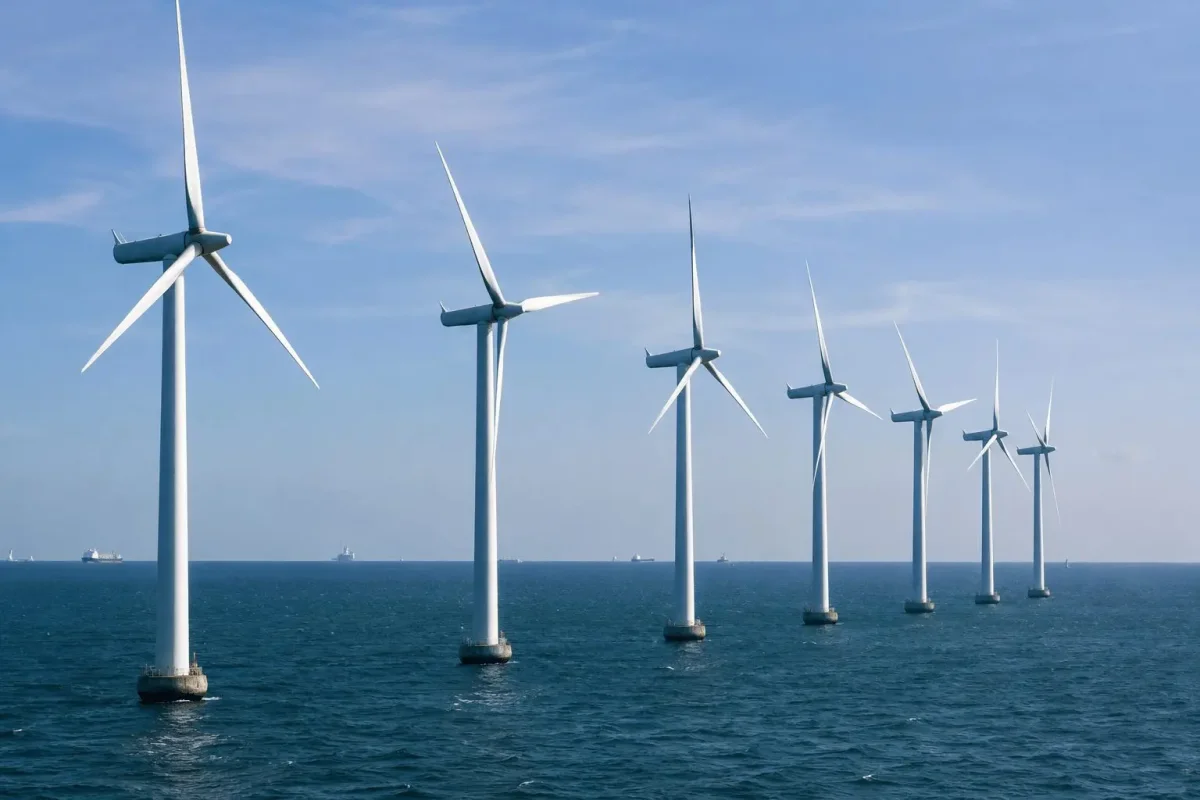
The Trump administration has agreed to pay Invenergy $765 million to cancel four offshore wind leases, marking the latest move in a broader federal effort to dismantle offshore wind development and redirect investment toward natural gas and geothermal energy. The deal, announced Wednesday by the Interior Department, brings total government spending on lease buybacks to nearly $2.6 billion.
Invenergy, based in Chicago, will relinquish leases in the New York Bight, off California's Central Coast, and in the Gulf of Maine. The company plans to funnel the proceeds into constructing natural gas plants across Indiana, Wisconsin, Iowa, Kansas, and Missouri, as well as geothermal projects in the western United States that harness underground heat for power generation.
Interior Secretary Doug Burgum praised the agreement as a shift toward what he called 'dependable, secure energy infrastructure,' noting that Invenergy's focus on baseload power—electricity that runs continuously regardless of weather conditions—aligns with the administration's energy priorities. The move comes as the administration seeks to unwind support for offshore wind, a sector it views as unreliable and costly.
Invenergy's senior vice president for development, Daniel Runyan, said the company intends to invest in projects that can advance on a 'commercially reasonable timeline' and meet customer demand. The company already operates 14 natural gas plants and holds 45 geothermal leases spanning 144,000 acres, along with onshore wind, solar, and battery storage assets.
The buyback program began earlier this year with similar deals involving TotalEnergies, Golden State Wind, and Bluepoint Wind. TotalEnergies received compensation for leases off North Carolina and New York, while Golden State Wind and Bluepoint Wind exited sites off California, New Jersey, and New York. However, the program faces legal challenges. Seven U.S. states filed a lawsuit this month targeting a payment to TotalEnergies, arguing the administration bypassed required procedures and misused a fund intended for legal settlements. Interior maintains the deal was reviewed by the Justice Department and followed proper protocols.
The cancellation of offshore wind leases has raised concerns among coastal states about grid reliability and climate goals. Hillary Bright, executive director of Turn Forward, an offshore wind advocacy group, said the buyouts are not 'one-for-one swaps' and that replacing coastal wind with gas or geothermal in other regions 'does nothing to address' affordability and reliability issues in the Northeast and Mid-Atlantic.
Maine Governor Janet Mills, a Democrat, criticized the Invenergy deal as legally questionable and a 'shortsighted decision' that could undermine years of work on fisheries, energy diversity, and jobs, potentially forcing the state to rely on more expensive fossil fuels. The administration's actions signal a clear departure from federal support for offshore wind, even for developers who already paid for seabed rights, as the focus shifts to expanding natural gas and geothermal capacity.