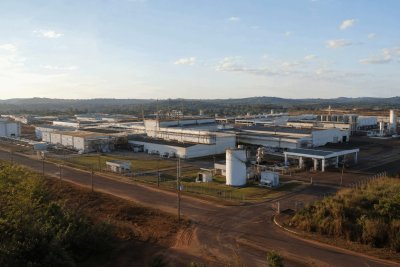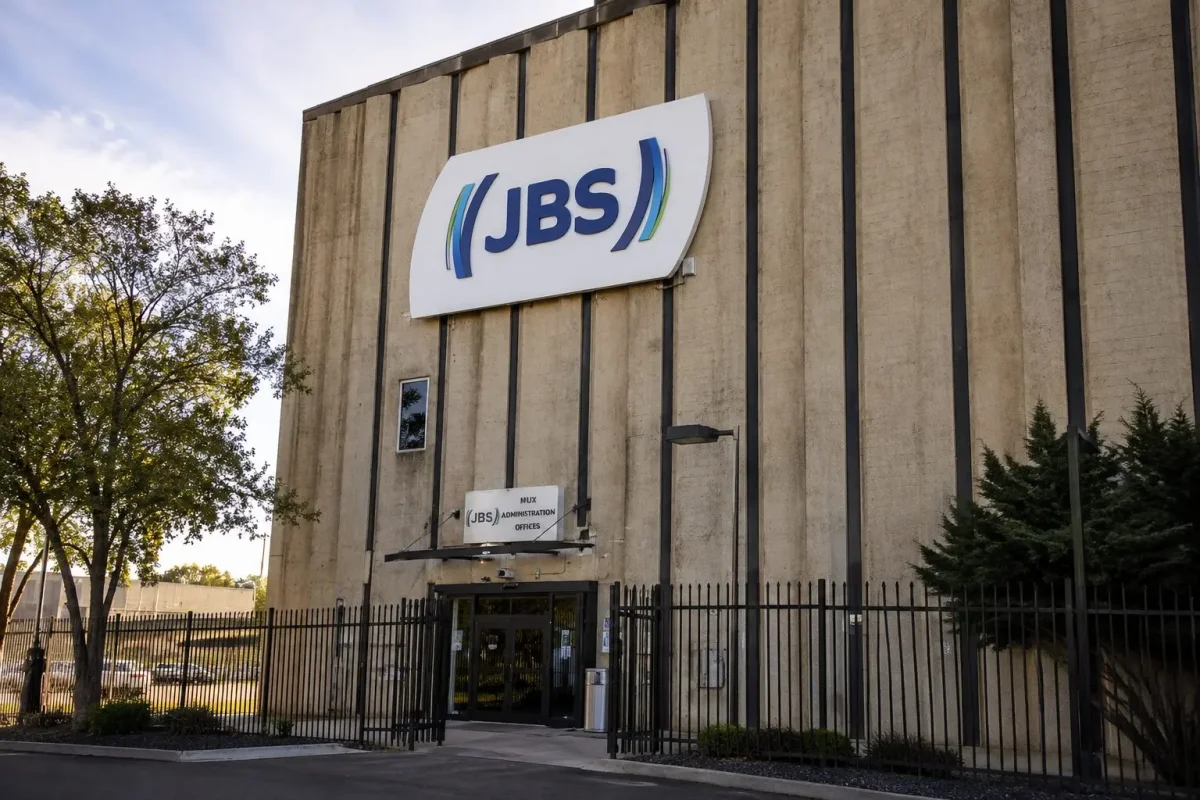
JBS USA, a subsidiary of JBS SA (JBS), has announced the closure of its beef processing plant in Souderton, Pennsylvania, and its value-added meat facility in Memphis, Tennessee, effective August 14. The move will eliminate 1,693 jobs, according to state and local filings, as the company grapples with tightening cattle supplies and persistently negative margins in its U.S. beef operations.
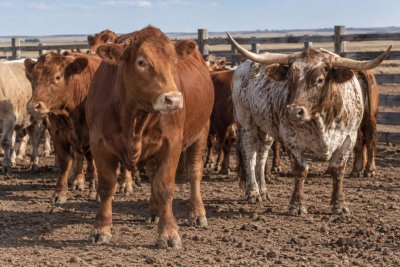
The closures reflect a broader industry struggle. USDA data show beef and veal prices rose 14.8% year-over-year in April, with an additional 12.1% increase forecast for 2026. Cattle on feed totaled 11.7 million head as of June 1, up 2% from a year ago, but May placements fell 10% and marketings dropped 12%, hitting the second-lowest May level since records began in 1996. This supply squeeze has left packers with limited options.
Market analyst Brian Hoops noted on RFD-TV that processors are caught between high procurement costs and weak consumer demand. “They can either slow their kills down, or they can shut some plants down,” he said. JBS's first-quarter results underscore the pain: net revenue of $21.6 billion, but its U.S. beef unit posted negative EBITDA of $230 million, a margin of minus 3.2%, driven by higher cattle costs.
JBS is not alone. Tyson Foods previously closed its Lexington, Nebraska, beef plant and scaled back operations in Amarillo, Texas. Cargill has opted to keep its plants running for now, but the four largest packers—Tyson, JBS, Cargill, and National Beef—control about 85% of U.S. grain-fed cattle processing, so capacity reductions ripple through the supply chain.
The Souderton facility, which processes roughly 2,000 head of cattle daily, will see 1,485 layoffs, while the Memphis Empire Packing plant, acquired by JBS in 2020, will cut 208 jobs. JBS said production from both sites will be relocated within its network. CEO Wesley Batista Filho called the decision difficult, noting it “directly affect[s] our team members and communities.” The company is offering affected workers opportunities to apply for other roles and providing on-site transition support.
Analysts warn that further capacity cuts could exacerbate future supply constraints. Brad Kooima told RFD-TV that if current conditions persist, more plants may close. Even if improved moisture in Texas helps ranchers begin rebuilding herds, shuttered facilities will not reopen quickly, potentially leaving the industry vulnerable when cattle numbers eventually recover.
JBS is redirecting capital toward what it sees as stronger prospects, with significant investments in Texas, Georgia, and Iowa. Earlier this year, it merged its beef and case-ready businesses into a single unit. Meanwhile, its poultry subsidiary Pilgrim's Pride is investing about $75 million in Ellijay, Georgia, while closing a harvesting plant in Chattanooga, Tennessee, affecting 348 jobs, in a shift to align with changing consumer demand.
The closures underscore the mounting cost pressure on both packers and consumers, as tight cattle supplies and elevated beef prices show no sign of easing in the near term.