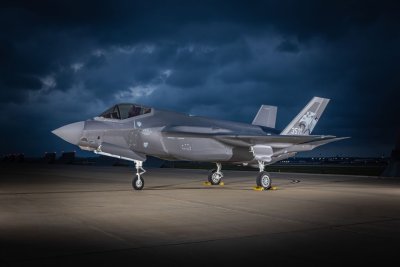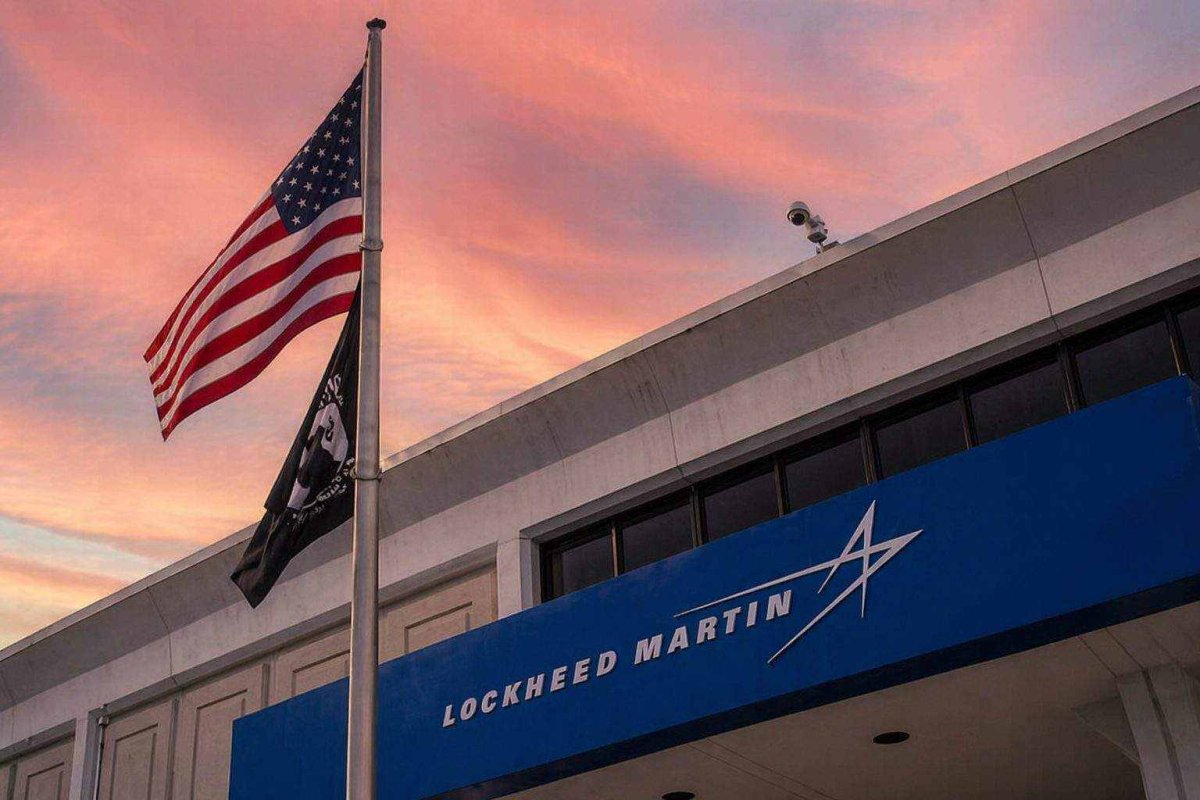
Lockheed Martin Corp. has been selected as one of the recipients for contracts valued at up to $3.2 billion under President Donald Trump's Golden Dome space-based missile interceptor initiative, according to a statement from Space Systems Command. The program aims to develop orbital weapons capable of intercepting missiles during their boost, midcourse, or glide phases, representing a significant expansion of the U.S. missile defense architecture.
The timing of this award is critical for Lockheed Martin, which recently reported first-quarter results that fell short of expectations. The Bethesda, Maryland-based defense contractor posted $18.0 billion in sales and net earnings of $1.5 billion, or $6.44 per share. However, free cash flow turned negative at $291 million, a sharp reversal from the positive $955 million recorded in the same period last year. The company maintained its full-year 2026 outlook despite these headwinds.
Space Systems Command awarded 20 Other Transaction Authority (OTA) agreements to 12 companies, with awards expected in late 2025 and early 2026. OTAs allow for faster, more flexible prototyping than traditional government contracts. The list includes major primes such as Lockheed Martin, SpaceX, Northrop Grumman, and Raytheon, as well as defense newcomers like Anduril, blending established and emerging players in the competition.
Col. Bryon McClain, Space Force program executive officer for Space Combat Power, emphasized the urgency of the program, stating that adversary capabilities are advancing rapidly. The Space Force is targeting 2028 to demonstrate initial interceptor capability, according to the command's release.
The broader Golden Dome project, projected to cost $185 billion, aims to integrate space-based assets into the existing missile defense system, which currently includes systems like Patriot, THAAD, and Aegis. However, this portion of the defense shield remains in its infancy and faces steep technical hurdles, particularly in scalability.
Lockheed CEO Jim Taiclet disclosed this week that the company has secured multiyear framework agreements with the U.S. government to increase munitions production, including Patriot missiles, THAAD, and Precision Strike Missiles. Taiclet noted that these demand commitments could drive production rates up by 3-4 times current levels, signaling potential growth in the company's core defense business.
First-quarter results were weighed down by several operational challenges. F-16 profit suffered from production and development setbacks, C-130 deliveries were delayed by manufacturing issues, and Rotary and Mission Systems profits declined due to drag from the CH-53K and Seahawk programs. On a positive note, Missile and Fire Control sales rose 8%, and Space sales increased 7%.
Lockheed also skipped share buybacks this quarter, a departure from its typical practice, as the U.S. government encourages defense firms to reinvest more capital into production. JP Morgan analyst Seth Seifman commented, 'We aren’t surprised, given management’s desire to be aligned with the customer’s agenda.'
Golden Dome's biggest challenge may be scalability. Gen. Michael Guetlein, who heads the program, told lawmakers that space-based boost-phase interceptors must meet cost and scale targets before moving into production. Outside estimates suggest the cost of a large interceptor fleet could far exceed current Pentagon budget allocations. Funding remains uncertain, with most of the $17.5 billion earmarked for Golden Dome in 2027 dependent on reconciliation dollars rather than the Pentagon's core budget, giving Congress significant control over the program's pace.
Lockheed Martin shares closed Friday at $513.45, with U.S. equity markets closed Saturday. The key question for investors is whether Golden Dome will serve as a genuine growth driver or add another complex project to a backlog already under pressure.