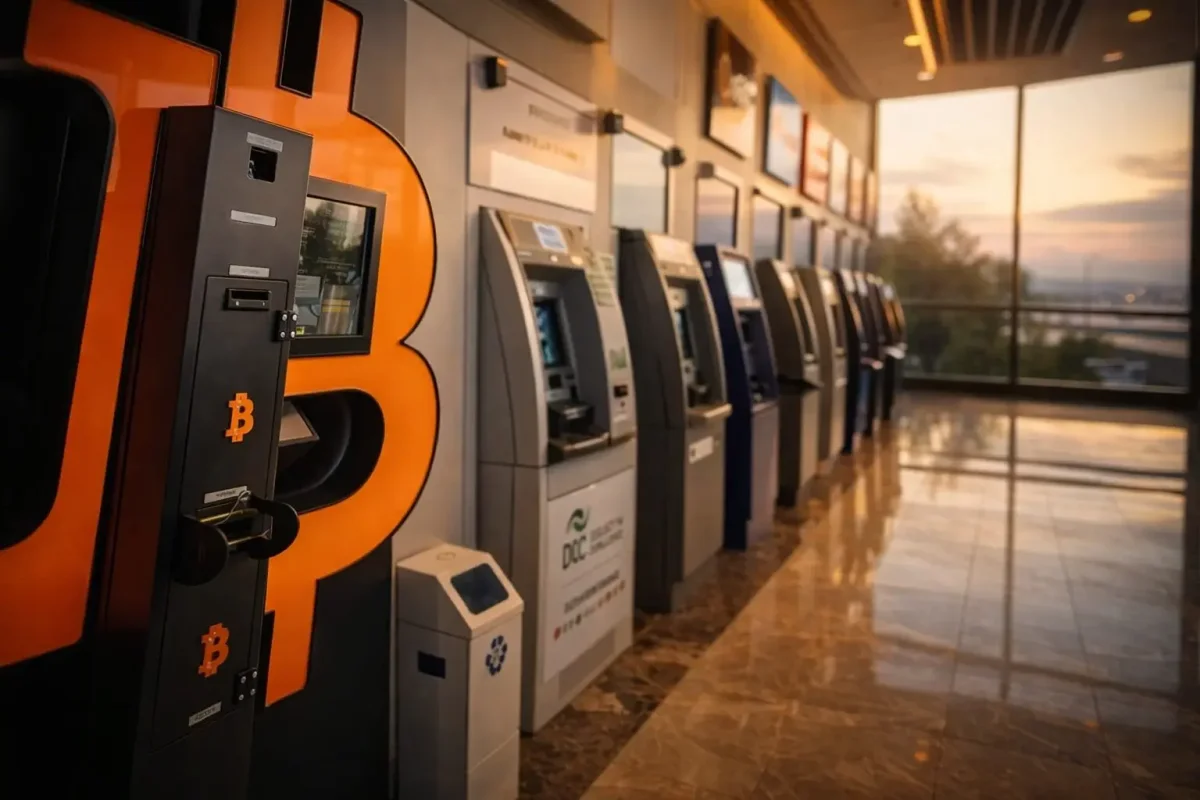
Officials in Haverhill, Massachusetts are moving forward with a proposed ordinance that would prohibit cryptocurrency automated teller machines within city limits. The measure, which received unanimous initial approval from the city council, would require operators to remove existing kiosks within 60 days or face substantial daily penalties.
Regulatory Action Gains Momentum
The proposed ban cleared its first legislative hurdle on March 17 with an 11-0 council vote. Following the mandatory 10-day waiting period, the ordinance appeared on the agenda for review during the Tuesday night meeting on March 31. Mayor Melinda Barrett has publicly supported the regulatory action, which would impose $300 daily fines on operators who fail to comply with the removal requirement.
City Solicitor Lisa Mead explained to council members that the proposal aims to protect residents from potential dangers associated with unregulated financial transactions. The draft ordinance specifically cites concerns about fraud vulnerability, money laundering risks, and the irreversible nature of cryptocurrency transactions where cash is exchanged for digital assets instantaneously.
Fraud Concerns Drive Local Action
Local authorities point to escalating cryptocurrency fraud as the primary motivation for the proposed ban. Essex County District Attorney Paul Tucker reported that his office has returned $20,000 to three victims and seized over $160,000 in blockchain assets since the beginning of 2024. Tucker emphasized that nearly all these cases involved cryptocurrency ATM scams, stating that "our best weapon in the fight against these fraudsters is a well-informed public."
The Federal Trade Commission has documented a dramatic increase in losses linked to bitcoin ATMs, with reported losses soaring nearly tenfold between 2020 and 2023. In just the first six months of 2024, losses exceeded $65 million nationally, highlighting the growing scale of the problem.
National Regulatory Context
Haverhill's action reflects a broader national trend of increasing scrutiny on cryptocurrency kiosks. Indiana recently became the first U.S. state to outlaw cryptocurrency ATMs entirely, while Minnesota lawmakers are considering similar legislation. At the municipal level, Layton City, Utah implemented its own local ban in March.
Massachusetts state authorities have also taken action against cryptocurrency operators. In February, Attorney General Andrea Joy Campbell filed a lawsuit against Bitcoin Depot, accusing the company of facilitating scams targeting state residents. Campbell stated that "Massachusetts consumers deserve to feel safe when they handle their hard-earned money, no matter the technology involved."
Limited Local Impact, Broader Implications
The immediate impact within Haverhill city limits appears limited, with local reports indicating only a "handful" of cryptocurrency ATMs currently operating. However, data from CoinATMRadar suggests at least eight machines exist in the broader Haverhill area, meaning several kiosks would remain outside the city's jurisdiction even if the ban passes.
The city's website listed the prohibition measure on Tuesday's agenda, though official council minutes are only posted after approval. If the ordinance clears the council, operators would have the 60-day compliance window before facing daily penalties. The measure would be codified as Chapter 192 in the city code.
This regulatory action represents a growing tension between technological innovation and consumer protection in the cryptocurrency space. As digital asset adoption continues, municipalities and states are grappling with how to balance innovation with safeguards against increasingly sophisticated financial scams targeting vulnerable populations through seemingly accessible technology.