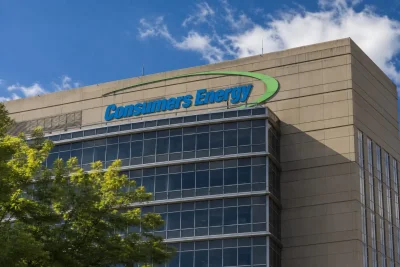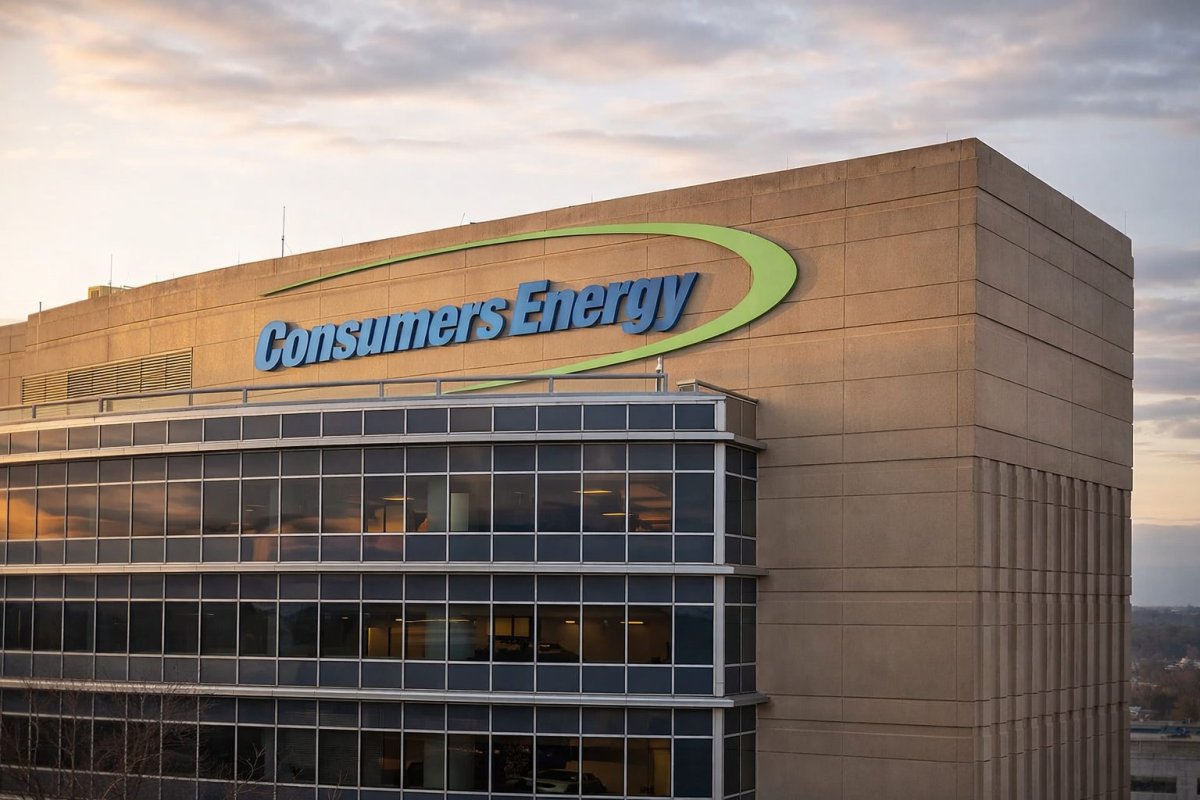
The Michigan Public Service Commission has authorized a significant rate increase for Consumers Energy, the state's major electric utility. The $276.6 million annual revenue boost, effective May 1, 2026, will raise monthly bills for a typical residential customer using 500 kilowatt-hours by approximately $6.46, representing a 6.1% increase.
Regulatory Scrutiny and Reduced Request
State regulators substantially trimmed the utility's original proposal, which sought $436 million plus a $24.3 million surcharge that would have resulted in a 13% rate hike. The commission rejected nearly 40% of Consumers' requested expenditures, determining some projects lacked sufficient justification or evidence of prudence. Despite the reduction, Attorney General Dana Nessel's office calculated the final order will still increase residential power bills by 8.9%.
Funding Reliability Improvements
The approved funds are earmarked for extensive grid modernization efforts. Consumers Energy plans to allocate resources toward enhanced tree trimming programs, installation of more durable poles, additional underground wiring, and technology designed to reduce outage durations. The utility also intends to strengthen both physical and cybersecurity protections for its infrastructure.
Vegetation management receives particular emphasis, with $186 million approved for line clearing initiatives. The company aims to accelerate work on its low-voltage grid, targeting a five-year trimming cycle for all areas by 2030-31, a significant improvement over the current approximately ten-year schedule. Senior Vice President of Electric Distribution Greg Salisbury stated these investments should result in "fewer and shorter power outages" for customers.
Performance Metrics and Ongoing Challenges
While the MPSC noted improvement in restoration times—with 93% of customers who lost power in 2024 regaining service within 24 hours compared to 87% the previous year—the utility acknowledges it hasn't met its reliability targets. Spokesperson Trisha Bloembergen confirmed to WWMT that Consumers Energy has not yet achieved its goal of restoring all customer outages within 24 hours, stating "We're not there yet," and indicating the new investment aims to close this gap.
Political and Consumer Backlash
Attorney General Dana Nessel strongly criticized the decision, calling it an additional burden on Michigan households and part of a "never-ending cycle of rate hikes." Her office highlighted that this increase follows a $154 million boost approved last year for electric customers, pushing Consumers Energy's total approved annual revenue increases since 2020 close to $800 million.
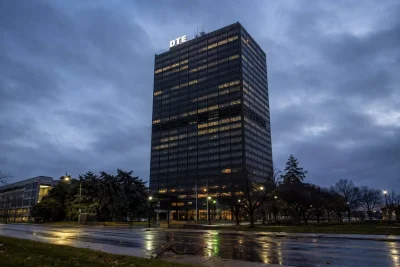
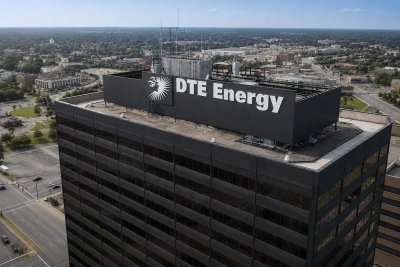
The controversy extends beyond a single utility. Nessel's office noted that DTE Energy, Michigan's other major electric provider, has signaled its intention to file for another rate increase in April. Both companies continue to utilize rate cases as primary mechanisms to finance reliability enhancements across the state's aging electrical infrastructure.
Affordability and Oversight Provisions
Regulators emphasized that affordability remains a consideration, pointing out that Michigan's average monthly electric bill of $119.31 in 2024 remained below the national average of $142.16. The commission included safeguards in its order, requiring Consumers Energy to subsequently demonstrate that funds were spent on designated projects. If not all allocated money is utilized, customers could receive refunds.
Eric Paul Dennis, a research associate on infrastructure policy at the Citizens Research Council, offered a sobering perspective, noting that "no option will be one hundred percent reliable" regarding grid infrastructure. The debate appears far from settled, with Consumers Energy scheduled to file its 2027 Reliability Action Plan in June, potentially initiating fresh discussions about outages, undergrounding initiatives, and bill impacts before the current rate increase even appears on customer statements.