Microsoft Corporation's stock concluded Friday's session at $401.32, marking a slight decline of 0.15% for the day. The technology giant has experienced a significant downturn since the beginning of the year, with shares falling approximately 17%, resulting in a staggering loss of around $613 billion in market capitalization. This places Microsoft's current valuation at approximately $2.98 trillion as trading paused for the Presidents Day holiday.
Market Context and Upcoming Catalysts
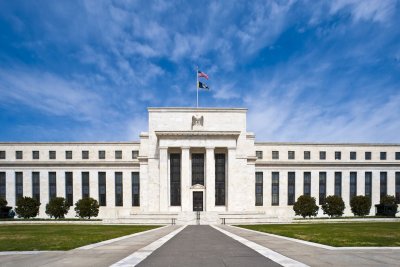
U.S. equity markets remained closed on Monday in observance of Presidents Day, creating a shortened trading week. Activity resumes on Tuesday, February 17, with investors preparing to navigate a landscape influenced by several key economic indicators. Tuesday brings retail sales data, followed by the release of the Federal Reserve's January meeting minutes on Wednesday. These reports could significantly impact interest rate expectations and consequently affect technology sector valuations.
Core Challenges: AI Spending Versus Revenue Growth
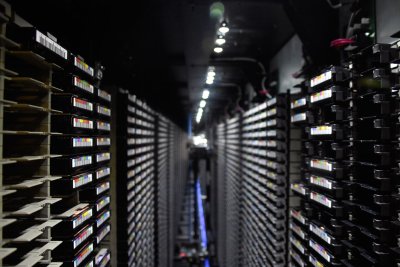
The central dilemma facing Microsoft revolves around whether its revenue expansion can justify the substantial capital expenditures directed toward data centers and semiconductor infrastructure. The company must demonstrate it can maintain technological leadership while rivals like Google's Gemini and Anthropic's Claude Cowork rapidly advance their own artificial intelligence business software offerings.
Recent quarterly results have continued to influence investor sentiment. In late January, Microsoft disclosed unprecedented levels of spending on artificial intelligence initiatives while simultaneously noting a deceleration in cloud services growth. These revelations prompted an after-hours decline in the stock price, reflecting market apprehension about the return on these substantial investments.
Azure Performance and Customer Concentration
During the earnings discussion, Chief Financial Officer Amy Hood provided analysts with critical insights into Azure's performance. She indicated that Azure's growth rate could have exceeded 40% if all newly acquired processing chips had been allocated to the cloud platform. Instead, a portion of that computational capacity was diverted to internal company projects.
Further complicating the outlook, reports indicate that OpenAI now constitutes approximately 45% of Microsoft's cloud services backlog—representing contracted future sales. This substantial reliance on a single customer raises legitimate concerns about concentration risk and potential vulnerability should that relationship encounter difficulties.
Regulatory Environment Intensifies
Regulatory pressures continue to mount for the technology behemoth. The U.S. Federal Trade Commission has reportedly intensified its scrutiny of Microsoft's licensing practices and cloud computing operations, according to sources familiar with the matter. This increased regulatory attention adds another layer of complexity to the company's operational landscape.
Microsoft declared a quarterly dividend of $0.91 per share in December, establishing February 19 as the ex-dividend date. Investors purchasing shares on or after this date will not be entitled to receive the upcoming payment. The dividend distribution is scheduled for March 12.
Broader Market Implications
The trajectory for Microsoft shares remains sensitive to broader economic conditions. Strong economic indicators could propel bond yields higher, potentially exerting downward pressure on technology stocks generally. Conversely, any signals suggesting weakening demand for artificial intelligence products would intensify questions about the sustainability of current expenditure levels across the industry.
A critical event for the artificial intelligence ecosystem arrives on February 25, when Nvidia Corporation reports quarterly results. As a primary supplier of advanced processors powering AI development, Nvidia's performance and outlook frequently generate ripple effects throughout the semiconductor and cloud infrastructure sectors that support Microsoft's expansion efforts.