Shares of Marathon Digital Holdings Inc. (MARA) traded higher on Thursday, bucking a broader downturn among cryptocurrency-linked equities. The move came after the company disclosed it had sold 15,133 bitcoin to finance a repurchase of approximately $1 billion in convertible notes. This transaction, executed at an average discount of 9% to par value, is expected to reduce Marathon's total outstanding convertible debt by roughly 30%. Chief Executive Fred Thiel characterized the sale as a "strategic capital allocation move" intended to advance the company's expansion beyond pure-play mining and into artificial intelligence and high-performance computing (AI/HPC) infrastructure.
Wider Sector Under Pressure
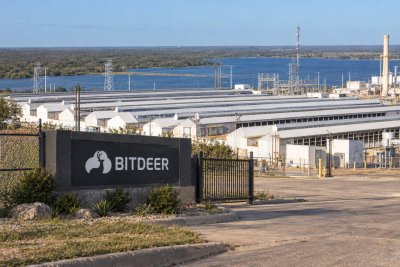
While MARA found positive momentum, several other prominent digital asset miners faced significant selling pressure. CleanSpark Inc. (CLSK), Riot Platforms Inc. (RIOT), Bitfarms Ltd. (BITF), HIVE Digital Technologies Ltd. (HIVE), and Galaxy Digital Holdings Ltd. (GLXY) all saw declines ranging between 5% and 10%. Bitdeer Technologies Group (BTDR) finished the session little changed. The divergence occurred against a backdrop of weakness for bitcoin itself, which fell 3.8% to trade near $68,200.
Rising Costs and Strategic Pivots
The sector is navigating a challenging environment of compressed margins. A CoinShares report dated March 25 highlighted that the weighted average cash cost for listed miners to produce a single bitcoin surged to around $79,995 in the fourth quarter, pressuring profitability. In response, many firms are accelerating their diversification efforts. CoinShares research head James Butterfill noted that AI and high-performance computing initiatives are on track to constitute up to 70% of listed miners' revenue by the end of the year, "increasingly becoming the core business."
Specific companies are making notable strides in this transition. Bitfarms, which recently gained shareholder approval to re-domicile to the United States and rebrand as Keel Infrastructure, and HIVE Digital, which announced a partnership with Columbia University researchers using its Paraguay computing cluster, were both cited as examples of this strategic push. Their activity may have contributed to heightened investor attention; a MarketBeat stock screener on March 26 identified Bitfarms, Galaxy Digital, and HIVE as the sector leaders in recent dollar trading volume.
Contrasting Analyst Perspectives
Investor views on the sector appear mixed, reflecting its evolving nature. Alongside the volume-driven watchlist, value-focused commentary from March 21 continued to circulate, naming CleanSpark, Marathon Digital, Riot Platforms, Bitdeer, and Galaxy Digital as potentially undervalued selections. Analyst sentiment within that group varied, with CleanSpark holding a Moderate Buy consensus from 15 analysts and Riot Platforms from 18. Bitdeer's average price target was noted near $26.60, while Galaxy Digital's was approximately $42.50. Galaxy was the only firm to appear on both the value list and the subsequent volume-driven list.
Market and Macro Headwinds
The crypto stock sector did not receive support from the broader market. Major U.S. equity indexes trended lower during the session, with Reuters attributing the weakness to dampened risk appetite stemming from geopolitical tensions in the Middle East. Such macro volatility presents an additional headwind for an asset class already sensitive to shifts in investor sentiment.
Underlying Risks Remain
Despite the strategic shifts, core mining economics pose a persistent risk. The CoinShares report cautioned that if bitcoin fails to break above the $80,000 level this year, the hashprice—the revenue miners earn per unit of computing power—could continue to decline. Under current conditions, the report estimated that 15% to 20% of the global mining network is already operating at a loss. This underscores the financial imperative behind moves like Marathon's debt reduction and the industry's broader pivot to alternative data center revenue streams.