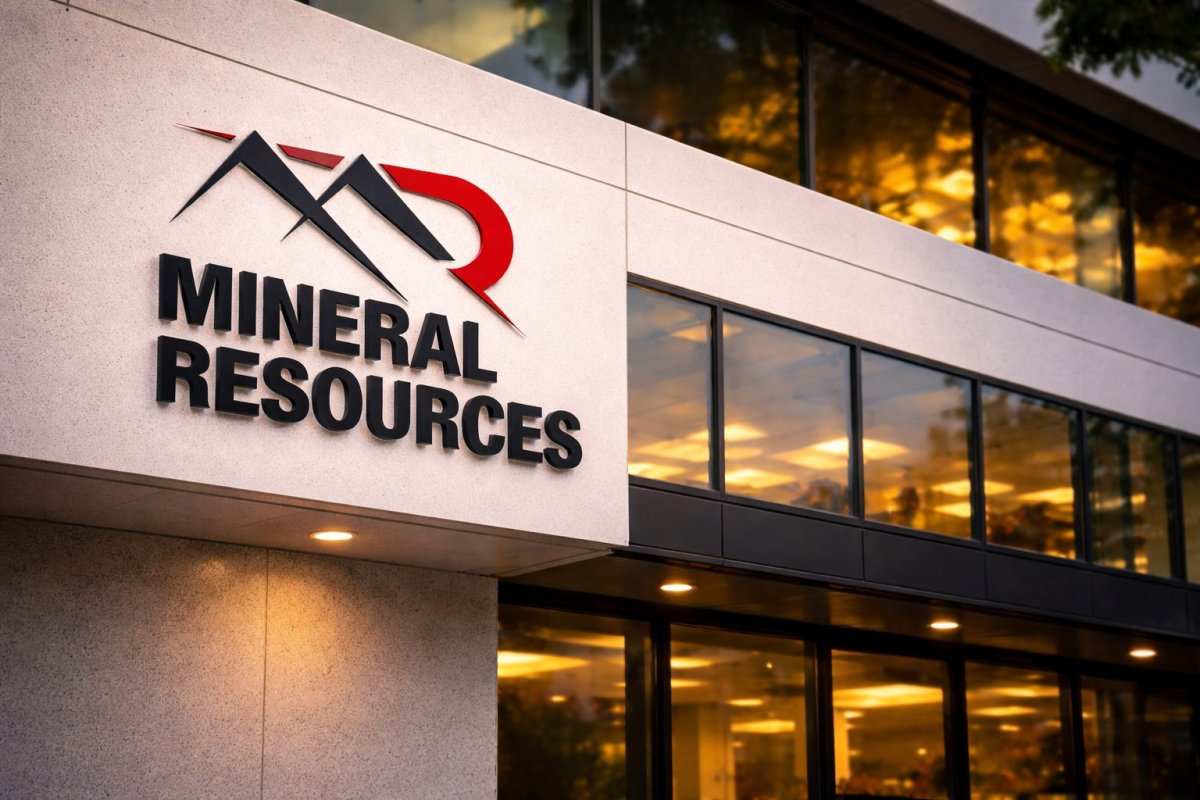
Shares of Mineral Resources Ltd (ASX: MIN) closed Tuesday's session with a modest gain, rising 0.8% to finish at A$52.02. The stock traded within a range of A$50.47 to A$52.30 during the day, leaving the diversified miner with a market capitalisation of approximately A$10.3 billion. While the daily move was slight, investor attention is firmly fixed on the company's impending half-year financial results, scheduled for release on February 20.
Market Context and Sector Performance
The broader Australian equity market edged higher, with the S&P/ASX 200 index closing up 0.24%. The materials sector was a notable outperformer, climbing 1.3%, largely driven by heavyweight BHP Group Ltd. BHP shares surged 7% to a record high following its earnings report, which revealed a stronger-than-expected underlying half-year profit and an increased interim dividend. Portfolio managers cited the dividend announcement as a key positive surprise for the market.
Iron Ore: A Critical Swing Factor
The performance of Australian miners, including Mineral Resources, remains heavily influenced by iron ore market dynamics. Analysts point to potential headwinds for the commodity. Westpac senior economist Justin Smirk noted in a recent commodities update that iron ore faces renewed downside pressure, citing elevated inventories at Chinese ports and planned maintenance at steel mills ahead of the Lunar New Year holiday period. These factors contributed to a softening in prices, which eased to around US$98 per tonne as the holiday approached.
This price environment sets a challenging backdrop for miners, making operational efficiency and cost control paramount for profitability.
Mineral Resources' Recent Operational Update
In a quarterly activity report released late last month, Mineral Resources provided key operational and financial metrics that will form the basis for the upcoming results. The company reported that its Onslow Iron project shipped 17.3 million tonnes on a 100% basis during the first half of the fiscal year. Importantly, the first-half free-on-board (FOB) cost—representing the cost at the port before freight—was A$52 per wet metric tonne.
On the balance sheet front, the company reported progress in reducing leverage, with net debt falling to about A$4.9 billion. Concurrently, liquidity improved, rising to more than A$1.4 billion. The update also included an upgrade to lithium production volume guidance for its Wodgina and Mt Marion operations.
What Investors Will Scrutinise on February 20
The forthcoming results will provide fresh detail on several critical fronts. Investors will assess whether the company can sustain stronger shipment volumes and maintain steady unit costs, which are essential for generating robust cash flow—especially if iron ore prices remain subdued and the lithium market experiences further volatility.
The reverse scenario also poses a risk. Any indication of cost inflation, weaker-than-expected shipment volumes, or a slowdown in debt reduction efforts would likely negatively impact market sentiment. The stock has historically been sensitive to shifts in commodity prices and company guidance.
The half-year report for fiscal year 2026, confirmed for February 20 on the company's investor calendar, serves as the next significant catalyst for the stock. The market will be looking for confirmation that operational improvements are translating into financial strength, providing a buffer against commodity market fluctuations.