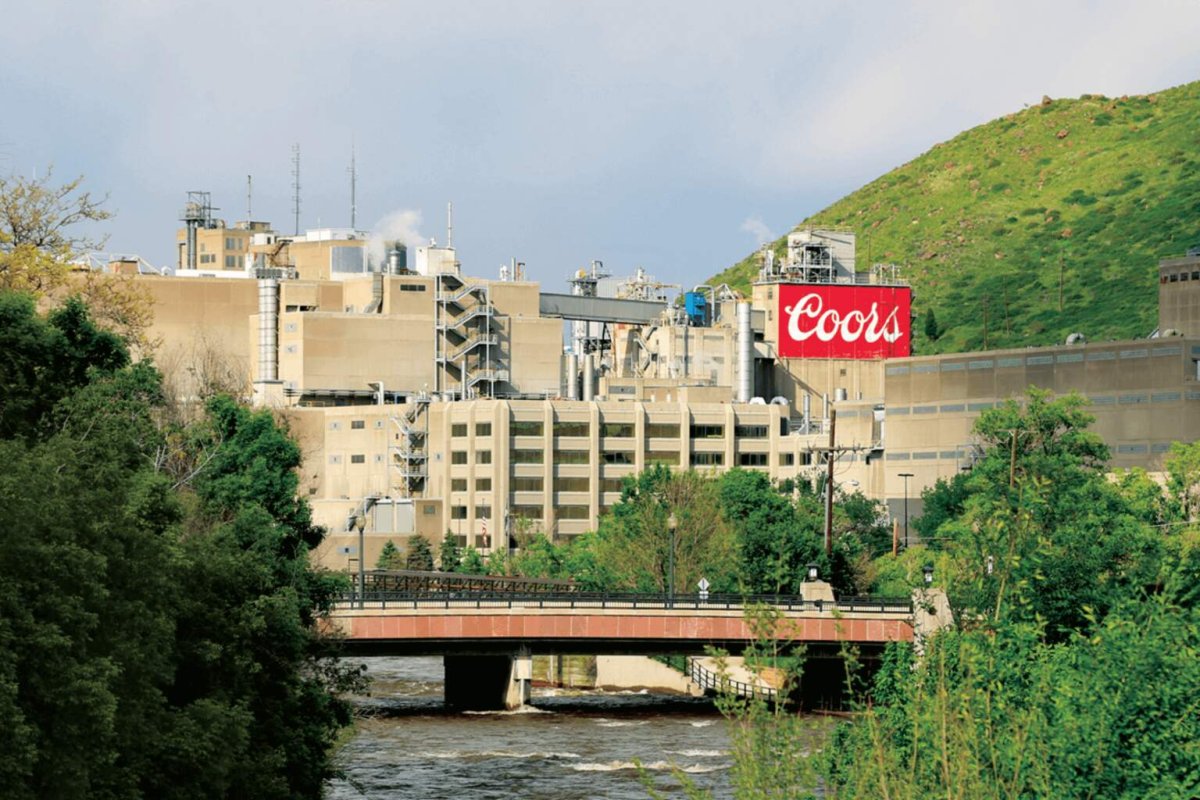
Molson Coors Beverage Company (NYSE: TAP) experienced a sharp decline on Friday, with shares closing at $37.53, down 3.97% or $1.55. The drop came as trading volume skyrocketed to 49.90 million shares, a staggering 15.2 times Thursday's turnover of 3.28 million shares. The surge in activity was directly tied to the company's imminent removal from the S&P 500 index and its addition to the S&P SmallCap 600, effective Monday, September 21.
The index change, announced by S&P Dow Jones Indices on September 4, prompted forced rebalancing by index funds that track these benchmarks. The heavy volume and downward price action indicate that sellers were willing to accept lower bids to offload positions ahead of the transition. The move reflects a shift in ownership demand rather than any fundamental change in the company's beer business.
Market Context and Financial Impact
Molson Coors' market capitalization now stands at approximately $7.0 billion, placing it in the small-cap bracket. The deletion from the S&P 500 reduces the stock's visibility among large-cap investors, potentially leading to reduced institutional demand. However, the company's underlying operations remain unchanged, and its cash generation capabilities continue to be a point of focus for investors.
The company's second-quarter results, released on August 6, 2026, painted a challenging picture. Net sales fell 3.3% year-over-year to $3.097 billion, while financial volume declined 5.4%. Underlying pretax income dropped 27.9% to $383.2 million, and adjusted diluted earnings per share decreased 22.9% to $1.58. These figures highlight the ongoing pressures from global macroeconomic headwinds, elevated input costs, and softer consumer demand.
Outlook and Valuation
Despite the earnings weakness, Molson Coors maintained its full-year guidance. The company expects constant-currency sales to be flat, plus or minus 1%, while adjusted EPS is projected to decline between 11% and 15%. Adjusted free cash flow is guided at $1.1 billion, plus or minus 10%.
On a valuation basis, the stock offers some counterpoints to the bearish sentiment. The guided free cash flow represents 15.7% of Friday's market value at the midpoint, and the annualized dividend of $1.92 yields 5.1%. These metrics suggest that the market may be pricing in excessive pessimism, but the company's operational challenges cannot be ignored.
Analyst Sentiment
Analyst recommendations remain split, with all six target prices exceeding Friday's close. Barclays maintains a Sell rating with a $41 target, while Berenberg Bank has a Buy rating and a bullish $61 target. Morgan Stanley, J.P. Morgan, TD Cowen, and Needham all have Hold or Buy ratings with targets ranging from $42 to $50. The divergence in opinions reflects uncertainty about the company's ability to navigate the current environment.
Buyback and Risks
Molson Coors has been active in repurchasing its shares, spending $211 million during the first half of the year. The share count was 6.2% lower year-over-year by September, providing some support to earnings per share. However, the index-driven selling could mask underlying weakness in beer volumes, and elevated costs may erode the apparent free-cash-flow discount.
Investors will be watching Monday's opening auction for the first post-transfer price signal. The next major fundamental checkpoint is the November 3 earnings report, which will provide updated data on volume trends and cost pressures. Until then, the stock's trajectory will likely be influenced by broader market sentiment and the lingering effects of the index change.