U.S. equity futures moved sharply higher Tuesday morning after the June Consumer Price Index (CPI) recorded its steepest monthly decline since April 2020, reigniting hopes that the Federal Reserve's tightening cycle may be nearing an end. However, a closer look at the data reveals that the headline improvement was heavily driven by falling energy prices, with underlying non-energy prices showing no decline.
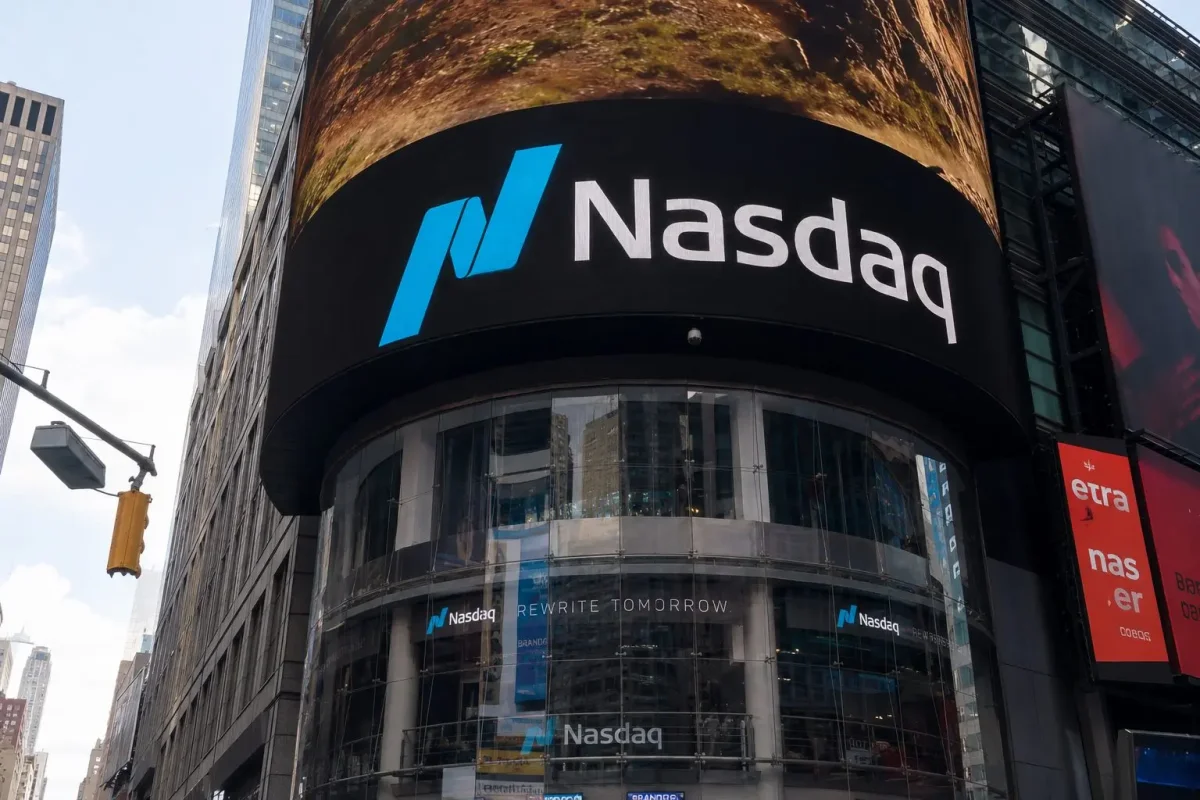
The Nasdaq 100 futures led the rally, gaining 1.38% within three minutes of the 8:30 a.m. EDT release, outperforming S&P 500 futures (up 0.48%) and Dow futures (flat). The technology-heavy index benefited most from the prospect of lower interest rates, as growth stocks are particularly sensitive to changes in the discount rate used to value their future earnings.
Headline CPI came in at 3.5% year-over-year, down from 4.2% in May and below the 3.8% consensus estimate in a Reuters poll. Core CPI, which excludes volatile food and energy components, was unchanged from May and rose 2.6% from a year earlier, also missing forecasts. The report was released one hour before the regular cash market opening, giving investors a clean read on the interest-rate outlook.
The Dow Jones Industrial Average futures struggled, partly due to a massive 22% plunge in International Business Machines Corp. (NYSE:IBM) after the company pre-announced preliminary second-quarter revenue of $17.2 billion, well below the $17.86 billion analyst estimate. CEO Arvind Krishna acknowledged that the company had "faltered" in adapting quickly enough to shifting client spending toward servers, storage, and memory. This divergence highlights that the rally was not a uniform risk-on move.
Breaking down the CPI contribution data: energy subtracted 0.437 percentage point from the monthly headline figure, more than the reported 0.4% decline. Gasoline alone accounted for 0.394 percentage point of that drag. In contrast, all items excluding energy added a negligible 0.015 percentage point. The Bureau of Labor Statistics uses unrounded data for these contributions, so they may not exactly match the rounded headline figure.
The energy-driven price decline provided a temporary boost to real household income. Real average hourly earnings rose 0.8% from May, snapping three consecutive months of declines, even though nominal hourly pay increased only 0.3%. This could support near-term consumption, but the gain rests on cheaper prices rather than a sudden surge in wages.
Small business sentiment offered a cautionary note. The National Federation of Independent Business (NFIB) reported that a net 38% of small-business owners raised selling prices in June, the highest share since January 2023, while 21% named inflation as their top problem. However, plans for further increases eased to a net 32%, suggesting that price pressures may be moderating. NFIB Chief Economist Bill Dunkelberg warned that "high interest rates and modest economic growth are causing owners to approach hiring and capital spending with caution."
Energy prices have already begun to reverse June's decline. The U.S. average gasoline price rose to $3.86 per gallon on Tuesday from $3.79 a week earlier, while crude oil climbed to a four-week high amid renewed geopolitical tensions around the Strait of Hormuz. This suggests that June's energy-driven disinflation may be temporary, and the next CPI report could face a less favorable comparison.
Despite the energy distortion, there were encouraging signs of easing underlying price pressures. Core prices were flat, shelter costs rose just 0.1%—the smallest monthly increase since January 2021—and small-business owners' planned price increases declined. Federal Reserve Chair Kevin Warsh is scheduled to testify before the House Financial Services Committee at 10 a.m. EDT. In prepared remarks, he said, "If we get policy right—and we will—the inflation surge of the last five years will be a thing of the past." Investors will be listening closely for whether he emphasizes the temporary energy drop or the softer core and shelter readings.