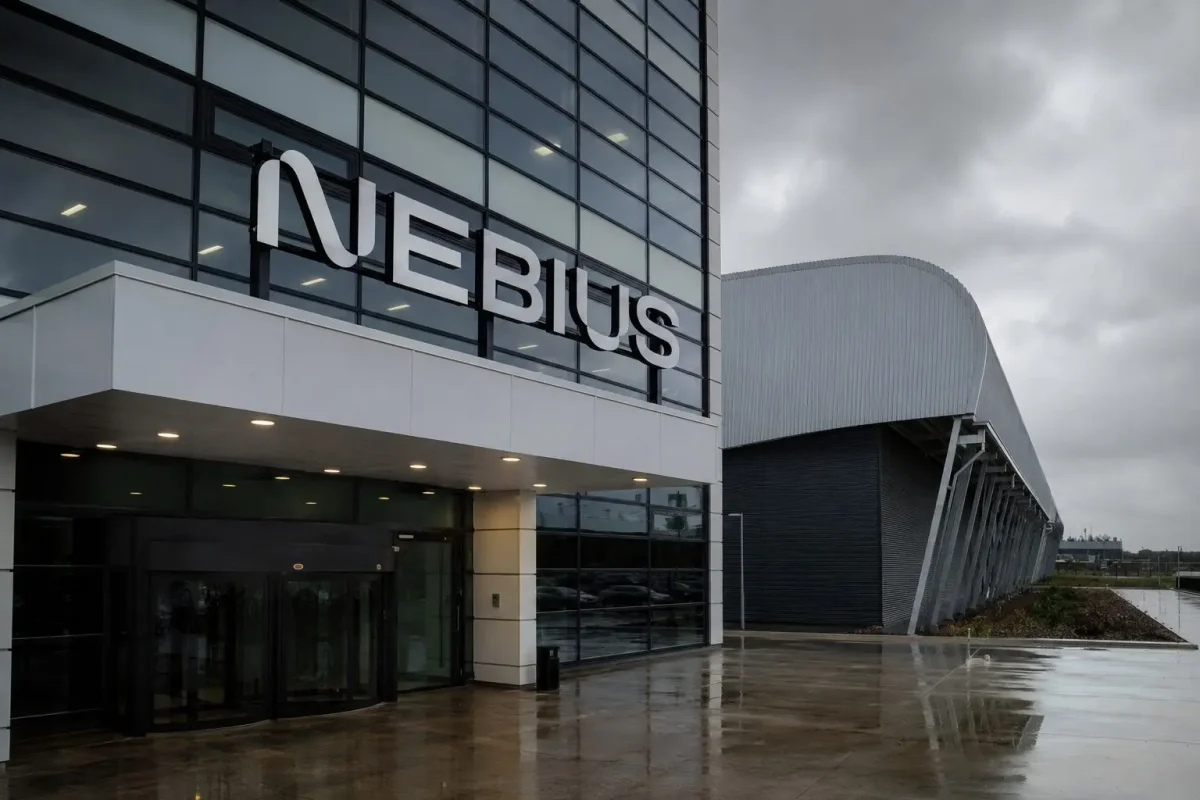
NEW YORK, July 17, 2026 – Shares of Nebius Group N.V. (NASDAQ:NBIS) closed at $171.77 on Thursday, down 13.9%, extending a five-session decline to 20.6%. The drop came after the company unveiled a partner-backed expansion model that shifts capital expenditure burdens to third parties, sparking debate over its financing approach.
Under the model announced Wednesday, partners fund and own the facilities and hardware, while Nebius provides architecture, software, sales, and maintenance. The company did not disclose specific partners, capacities, or fee structures, leaving investors to assess the financial implications.
Initial estimates suggest capital spending for 2026 could range from $17.5 billion to $22.5 billion, representing 1.9 to 2.4 times the $9.3 billion in cash held at the end of March. While first-quarter operating cash flow of $2.26 billion provided some cushion, the gap highlights potential external funding needs.
Management has indicated plans for mid-single-digit billions in debt and continues to evaluate its at-the-market stock program. CEO Arkady Volozh described the asset-light model as a way for infrastructure partners to tap into AI growth, with terms that may include revenue sharing, licensing, or dedicated capacity.
Demand remains robust. On Tuesday, Reflection announced a compute agreement with Nebius worth over $1 billion, which includes access to Nvidia Corp. (NASDAQ:NVDA) chips. However, Thursday's $27.74 decline erased an estimated $7 billion in market value, roughly seven times the contract's stated minimum, underscoring that financing concerns now outweigh order momentum.
The selloff outpaced the broader technology downturn. The Nasdaq Composite fell 1.47%, while CoreWeave Inc. (NASDAQ:CRWV) dropped 5.46%. Nebius underperformed both, trailing CoreWeave by 8.4 percentage points and the Nasdaq by 12.4 points.
First-quarter revenue reached $399 million, with the AI cloud division posting an adjusted EBITDA margin of 45%. No investor events are scheduled for next week. Market participants will focus on funded megawatts, cash flow timing, and fee structures, while risks related to partner execution, hardware supply, and potential equity dilution remain elevated.