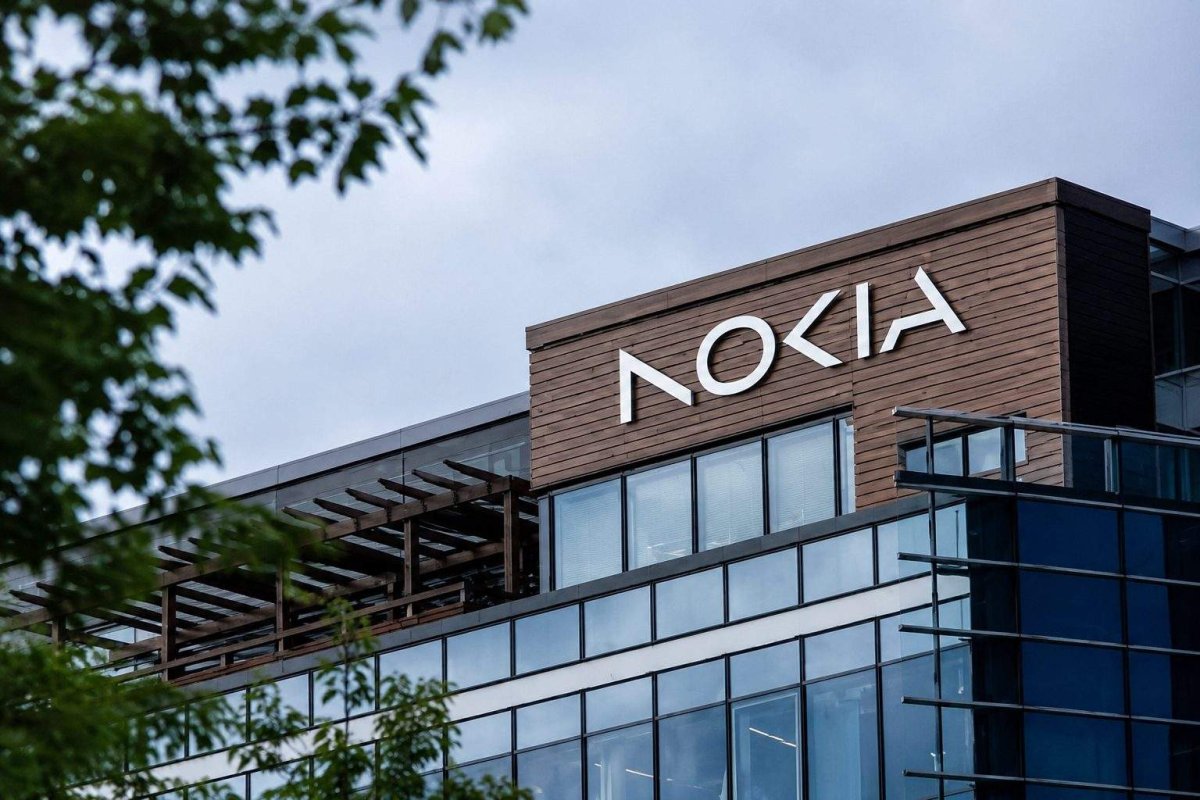
Nokia Oyj (NYSE: NOK) experienced a significant setback on Thursday, with shares dropping 6.15% in Helsinki to close at €13.895. The decline ended a three-day rally that had seen the stock gain 8.45%, 6.76%, and 2.39% earlier in the month, as market participants reassessed how much of the company's artificial intelligence and Nvidia partnership story was already factored into the price.
The slide comes even as analysts remain broadly optimistic. Nordea increased its price target on Nokia to €15.70 from €10.50, maintaining a Buy rating, as reported by Finwire via MarketScreener. The new target still sits above Thursday's close, but the sharp reversal underscores how quickly sentiment can shift when expectations become elevated.
AI and Cloud Demand Remains Core Bull Case
Nokia's recent performance has been closely tied to its pivot toward AI-driven data center markets. In April, the company reported first-quarter comparable net sales up 4% when adjusted for currency and portfolio changes, with sales to AI and cloud customers surging 49%. CEO Justin Hotard highlighted in the earnings release that Nokia is "increasing our growth assumption for Optical and IP Networks" driven by demand from AI and cloud clients. The company maintained its 2026 comparable operating profit forecast of €2.0 billion to €2.5 billion.
The stock has transformed from a traditional telecom play into a bellwether for AI data center investment and future 6G mobile networks, particularly after entering optical networking and partnering with Nvidia.
Nvidia Partnership a Key Driver
Nvidia's involvement has been a major catalyst. In October, Nvidia announced a $1 billion investment in Nokia at $6.01 per share, acquiring a 2.9% stake. The two companies are collaborating on AI-RAN (artificial intelligence radio access networks), using Nvidia's AI chips and software for mobile networks and edge computing. Nvidia CEO Jensen Huang described the partnership as "a generational platform shift," while Nokia's Hotard suggested it could enable "putting an AI data center into everyone's pocket."
PP Foresight analyst Paolo Pescatore noted at the time that "next-generation networks, such as 6G, will play a significant role in enabling new AI-powered experiences."
Broader Market Pressure
The broader Finnish market also felt the weight, with the OMX Helsinki 25 index falling 0.88% to 6,544.66, off a session low of 6,504.87. Large-cap Helsinki names tracked the market lower. The weakness in optical networking stocks extended to the U.S., where Ciena shares fell despite beating quarterly forecasts, as investors focused on guidance that fell short of AI spending expectations.
Risks Ahead
Despite the bullish narrative, risks remain. If major cloud providers cut spending, telecom operators delay 5G or 6G deployments, or AI-RAN sales slip behind schedule, Nokia's elevated valuation could face further pressure. Inderes analyst Atte Riikola previously cautioned that "market expectations were higher" after shares rallied on Nokia's AI-driven long-term goals, according to Reuters.
Investors will now look to Nokia's next major catalyst: its Q2 and half-year 2026 results, scheduled for July 23. The report will be closely watched for evidence that AI and cloud deals are translating into tangible revenue growth to support the stock's recent move.