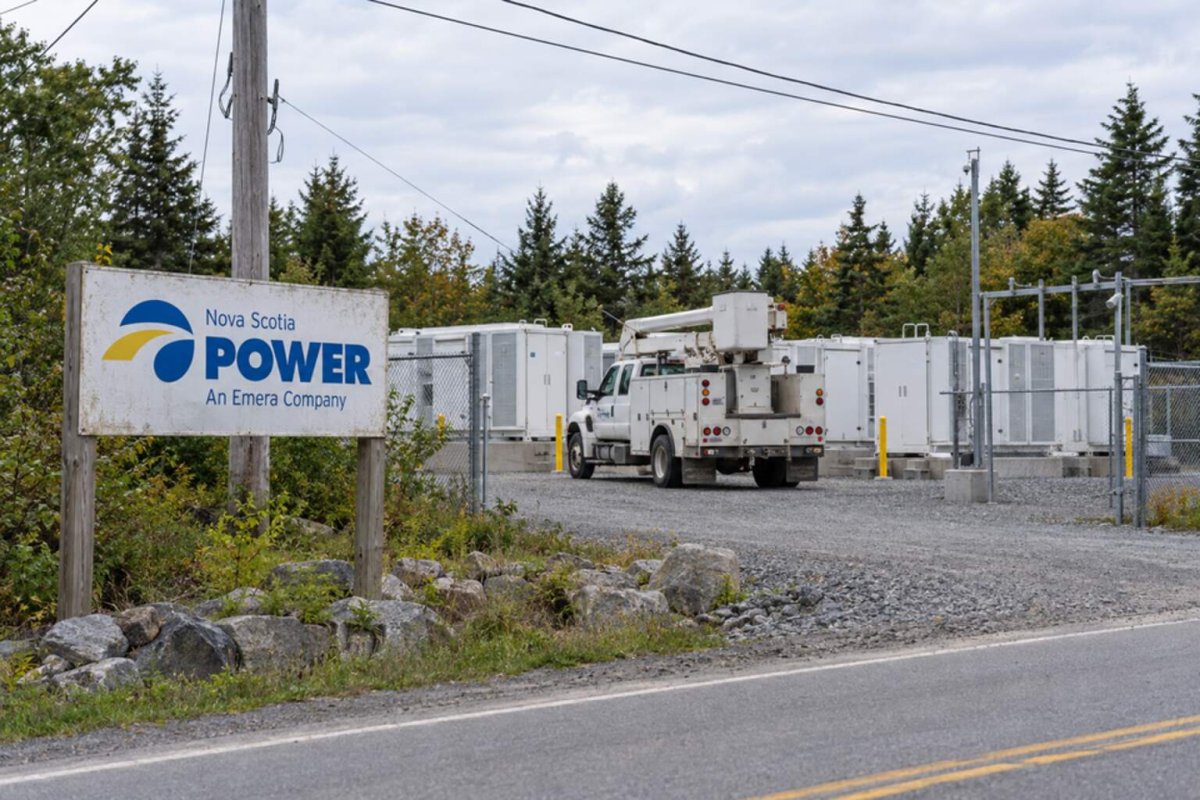
Nova Scotia has initiated a regulatory review that could fundamentally alter how Nova Scotia Power earns its profits, potentially linking a portion of its returns to operational performance rather than solely on capital investment. While the immediate financial impact is nil, the move introduces a new layer of regulatory uncertainty for parent company Emera (EMA), which counts the utility as a key asset.
Legislation Triggers Review
On September 9, provincial legislation was introduced directing the Nova Scotia Energy Board to study performance-based regulation (PBR). Under such a model, a utility's revenue, earnings, incentives, or penalties would be tied to measurable outcomes like outage reliability, customer service, and storm resilience, rather than being driven primarily by approved costs and invested capital. The review is expected to commence 30 days after the bill becomes law, with a public final report due thereafter.
The 9% Return: A Key Metric
Currently, Nova Scotia Power operates under a cost-of-service model, with a regulated return on common equity of 9%, within an allowed band of 8.75% to 9.25%, and a common-equity component capped at 40%. Emera's latest management discussion indicated that the utility expects to earn below that band in 2026, largely due to a delayed general rate decision.
The financial stakes are significant. Nova Scotia Power plans to invest approximately C$700 million in 2026, primarily to enhance reliability. Approved rates, effective May 1, are projected to add C$31 million in annual revenue in 2026 and C$97 million in 2027. However, in the first half of 2026, the utility contributed only C$80 million to Emera's consolidated net income, down from C$116 million in the same period a year earlier.
Potential Impact of Performance-Based Regulation
The government's review will consider cost recovery, capital investment, and risk alongside affordability. It has identified several possible performance metrics, including outage reliability, storm resilience, safety, emissions, efficiency, innovation, and customer service. Fuel costs would continue to be passed directly to ratepayers, so the focus is on operating and investment incentives rather than commodity exposure.
If a PBR framework is adopted, it could introduce both risks and rewards. On the downside, stricter penalties for missing reliability targets could lead to persistent regulatory under-earning. For instance, Nova Scotia Power already missed two of 14 reliability targets in 2025. Tighter scrutiny of capital projects could also slow cost recovery, making it harder to pass spending through under a cost-of-service model.
Conversely, a well-designed symmetrical framework could reward efficiency, faster restoration, and fewer outages, potentially allowing the utility to earn above its base return. Clear multi-year targets might also reduce regulatory lag. However, the bill only mandates a review, not a predetermined outcome.
Diversification Limits Group Impact
For Emera investors, the review adds regulatory risk, but the company's diversification mitigates the impact. Its Florida electric utility generated C$441 million in adjusted net income in the first half of 2026, compared to C$102 million from the Canadian electric-utilities segment that includes Nova Scotia Power and the Maritime Link. This geographic spread limits the group-level effect of any single regulatory change, though Canadian cash flow and financing could still be affected.
What to Watch
Emera's Toronto-listed shares closed at C$69.62 on Wednesday, while its New York listing ended at $50.38. These prices reflect the current regulatory environment, not a market verdict on the proposed changes. Key details to watch include the baseline for each performance metric, the symmetry between rewards and penalties, how storm events are excluded, treatment of legacy investments, and predictability of capital recovery. Until those specifics are defined, the 9% ROE remains in force, and the review adds a new regulatory risk to EMA stock—but not yet an earnings cut.