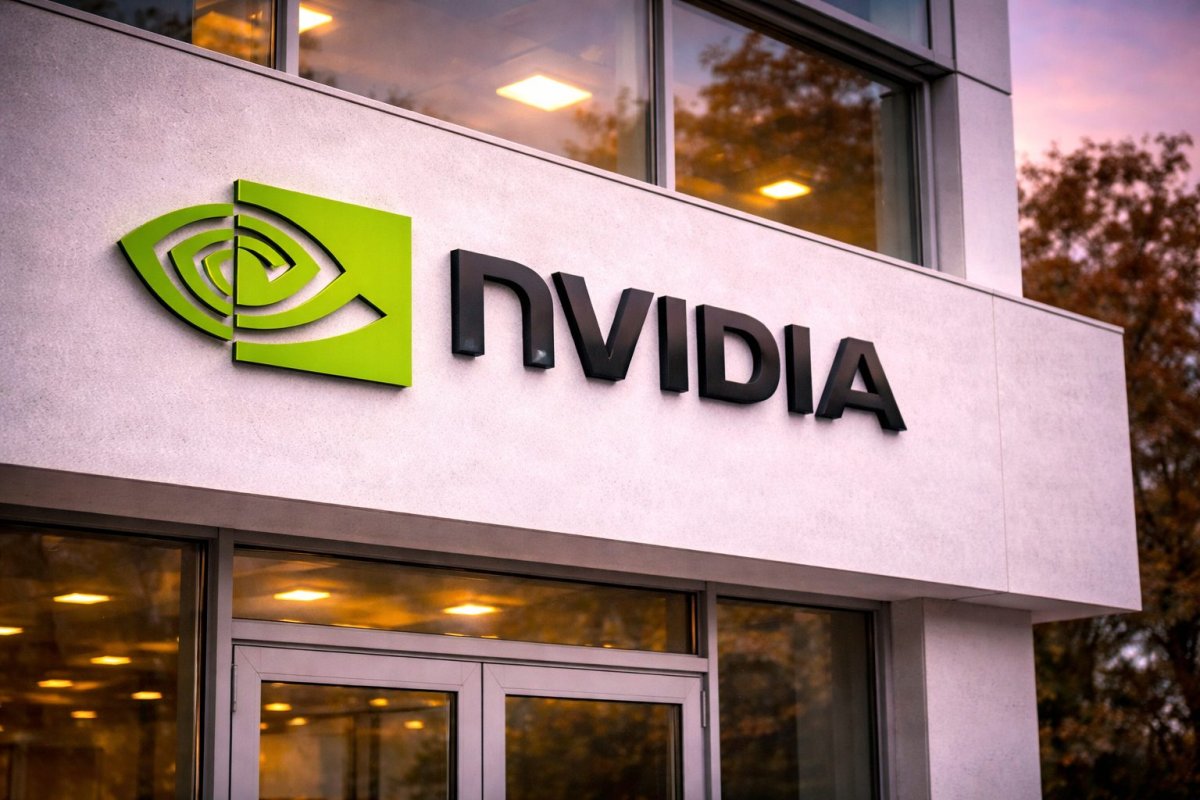
Nvidia Corporation shares experienced a slight decline in premarket activity on Friday, February 13, 2026, dipping approximately 0.2% to $186.50. This movement followed a broader technology sector sell-off during the previous trading session, which saw the Nasdaq Composite Index fall roughly 2%. The market's focus is now split between imminent U.S. inflation data and Nvidia's upcoming quarterly earnings report, scheduled for release on February 25.
Market Context and Inflation Concerns
The premarket softness for Nvidia reflects ongoing investor anxiety surrounding two primary factors: the sustainability of the artificial intelligence investment theme and the future path of interest rates. Thursday's market action was characterized by a pronounced shift away from technology stocks, with traders seeking safer assets. Disappointing updates from other major tech firms, such as Cisco Systems, exacerbated the negative sentiment. This environment has led some analysts to declare the current period a "prove it" year for AI, as noted by Jack Herr, primary investment analyst at GuideStone Funds.
All eyes are on the January Consumer Price Index (CPI) report due Friday morning. Economists polled by Reuters anticipate a 0.3% monthly increase for both the headline and core CPI figures, the latter excluding volatile food and energy components. This data represents the next critical test for market valuations, as a stronger-than-expected inflation print could force investors to recalibrate expectations for prolonged elevated interest rates. Higher rates typically pressure the valuations of growth-oriented technology stocks, which often trade on rich future earnings multiples.
The Earnings Hurdle: High Expectations for Nvidia
Beyond the macroeconomic data, Nvidia faces its own significant test on February 25 when it reports earnings for the January quarter. Wall Street scrutiny will be intense, with analysts surveyed by FactSet expecting adjusted earnings per share of $1.49 on revenue of $65.58 billion. However, the figures for the just-concluded quarter may be secondary to the company's forward guidance. Timothy Arcuri of UBS has highlighted that the investment community is more focused on the outlook for the April quarter, where he projects a revenue target closer to $74-$75 billion.
Investors will be parsing management's commentary for clues on AI demand trends and customer spending patterns. Particular attention will be paid to discussions surrounding Nvidia's "CUDA moat"—the proprietary software ecosystem that locks developers into its hardware platform. This software advantage is considered a key competitive barrier. The overarching question for the market is identifying the true beneficiaries of AI investment, a theme that has recently transitioned from a monolithic trade to a more selective, stock-by-stock assessment, as observed by Garrett Melson, portfolio strategist at Natixis Investment Managers Solutions.
Broader Sentiment and the Week Ahead
Currently, Nvidia is acting as a bellwether for broader market sentiment toward growth and technology. Its stock often attracts inflows during periods of optimism and faces selling pressure when risk appetite wanes. The bond market's reaction to the inflation data may exert as much influence on Nvidia's stock price as news specific to the semiconductor industry. The risk is clear: a hot inflation report could squeeze the high-multiple valuations prevalent in the tech sector.
The trading cycle is expected to continue into the following week. With U.S. markets closed on Monday for a holiday, the subsequent economic calendar includes the release of the Personal Consumption Expenditures (PCE) price index—the Federal Reserve's preferred inflation gauge—and the initial reading on fourth-quarter Gross Domestic Product (GDP). Market strategists like Art Hogan of B. Riley Wealth describe the current environment as a "whack-a-mole game," with investors attempting to anticipate which sectors might be disrupted next by AI advancements.
Heading into its earnings report, the bar is set exceptionally high for Nvidia. There is little tolerance for guidance that falls short of bullish expectations. The company's performance and commentary will be dissected for evidence that the AI-driven growth narrative remains intact. The combined forces of macroeconomic policy and company-specific execution, which previously propelled Nvidia's valuation to record heights, are now putting it to the ultimate test.