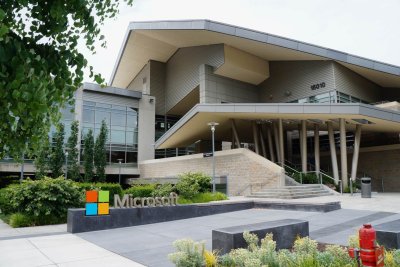
Microsoft Corporation and Saudi Arabian Oil Company, known as Aramco, have entered into a strategic partnership focused on advancing artificial intelligence within industrial sectors and enhancing digital capabilities in the Kingdom. The companies announced a non-binding memorandum of understanding on Sunday, outlining plans to develop AI-powered solutions on Microsoft's Azure cloud platform and implement significant skills training initiatives.
Cloud Infrastructure Timeline Confirmed
As part of the broader agreement, Microsoft has provided a definitive timeline for its planned cloud infrastructure expansion in Saudi Arabia. The company stated that its Saudi Arabia East Azure datacenter region will become operational for customer workloads starting in the fourth quarter of 2026. This region will feature three distinct availability zones, designed as separate physical locations to ensure service continuity in the event of localized failures.
Saudi Arabia's Minister of Communications and Information Technology, Abdullah Al-Swaha, characterized the upcoming cloud launch as a critical step toward establishing "trusted AI infrastructure" within the nation. The development aligns with Saudi regulatory objectives to maintain stricter control over data storage and processing, particularly for sensitive information related to national industries and governance.
Focus on Industrial AI and Digital Sovereignty
The collaboration centers on deploying AI tools for industrial applications, with a pronounced emphasis on energy and heavy manufacturing sectors where operational efficiency is paramount. Ahmad Al Khowaiter, Aramco's Executive Vice President of Technology & Innovation, highlighted the joint effort to cultivate a secure digital ecosystem. Microsoft Vice Chair and President Brad Smith articulated the partnership's goal to move industrial AI beyond experimental phases and integrate it deeply into core operational workflows.
A key component of the agreement involves the concept of "digital sovereignty," which refers to maintaining data within Saudi Arabia's borders and under its jurisdictional oversight. This approach addresses growing national and regional demands for data localization and complies with evolving regulatory frameworks in the Gulf Cooperation Council (GCC) states.
Market Context and Competitive Landscape
This partnership emerges amid a concerted push by Saudi entities to embed AI into fundamental business processes rather than treating it as a peripheral technology. The Gulf region is witnessing a significant trend toward localizing data hosting and expanding cloud infrastructure to satisfy regulatory requirements and economic diversification goals under initiatives like Saudi Vision 2030.
Microsoft's move to establish a cloud hub in Saudi Arabia has been under development since its initial announcement in 2023, with construction reportedly completed in late 2024. The expansion occurs within a competitive landscape, as other cloud service providers, including Amazon Web Services and Google, are also scaling their data center operations in the country. Industry analysts suggest the Aramco agreement could provide Microsoft's Azure platform with a substantial advantage in attracting regulated workloads once the Saudi region becomes active.
Sovereign Cloud Initiatives and Broader Strategy
Microsoft's engagement in Saudi Arabia extends beyond the Aramco partnership. In November of the previous year, the company signed a separate memorandum of understanding with Saudi Arabia's Public Investment Fund (PIF) and the local technology company SITE. That agreement aims to deliver Microsoft's "sovereign cloud" offerings—specialized cloud infrastructure configured for heightened governance, security, and compliance—to government agencies and critical national industries.
These sovereign cloud solutions are tailored to meet specific regulatory standards and are increasingly sought after by nations wishing to leverage cloud technology while retaining stringent control over their data.
Implementation Hurdles and Outlook
While the memorandum of understanding sets a strategic direction, the agreement is not yet finalized. Large-scale industrial AI projects frequently encounter challenges related to procurement processes, technical integration, and extensive security vetting, which can lead to delays. Furthermore, timelines for cloud region deployments are often subject to revision, especially when involving critical national infrastructure and complex data regulations.
The current schedule, however, remains clear. Aramco and Microsoft are proceeding to identify specific industrial AI use cases and develop corresponding skills programs. Concurrently, Microsoft is advising its enterprise customers to anticipate the availability of its Saudi Azure region by the end of 2026. This development marks a significant milestone in the digital transformation of the region's key economic sectors.