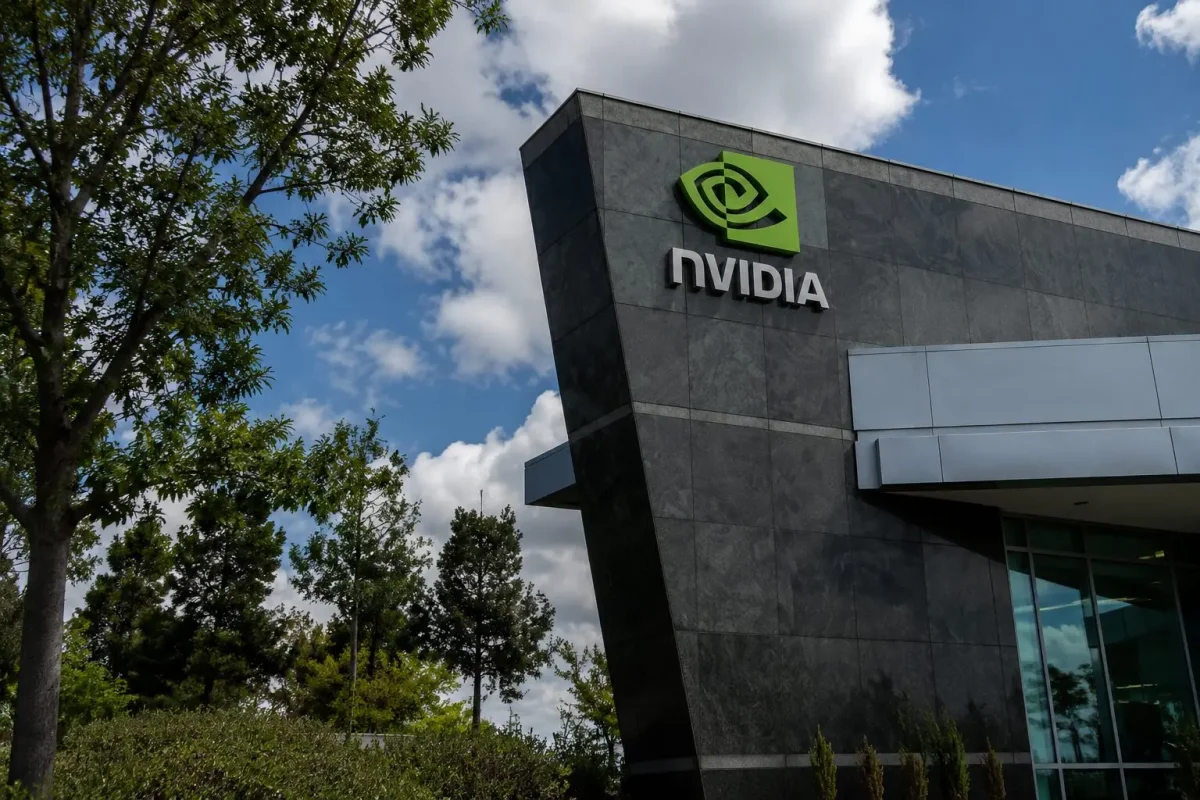
Nvidia Corporation (NVDA) closed Friday at $215.33, down 1.9% for the session and 4.4% for the week, despite reporting stellar fiscal first-quarter results that included record revenue and an upbeat forecast. The chipmaker's performance underscores a growing tension between strong fundamentals and market expectations that may already be priced in.
Record Quarter, But Stock Slips
For the fiscal first quarter ended April 2026, Nvidia posted revenue of $81.6 billion, an 85% surge from the same period last year. Data-center revenue, the company's largest segment, soared 92% to $75.2 billion, driven by relentless demand for AI training and inference infrastructure. CEO Jensen Huang characterized the buildout of what he calls 'AI factories' as accelerating at extraordinary speed.
Despite the blockbuster numbers, Nvidia shares declined on Thursday and Friday, with some market participants attributing the pullback to profit-taking after a sustained rally. The broader market fared better: the Dow Jones Industrial Average closed at an all-time high, and the S&P 500 notched its eighth consecutive weekly gain. Other semiconductor stocks also outperformed Nvidia, with the Philadelphia Semiconductor Index rising 1.3% on the week.
Guidance and Buyback Signal Confidence
Nvidia guided for second-quarter revenue of approximately $91 billion, plus or minus 2%, comfortably above the $86.84 billion consensus estimate from analysts polled by LSEG. The company also announced an $80 billion share buyback program, a move designed to return capital to shareholders and boost earnings per share.
'These results help reinforce that robust AI-related spending trends remain intact,' said Brock Weimer, investment strategy analyst at Edward Jones. The bullish narrative remains clear: cloud service providers continue to invest heavily in AI infrastructure, and Nvidia remains the dominant supplier of graphics processing units (GPUs) for training and running large language models.
Competition and China Overhang
However, not all analysts are unequivocally positive. Some investors are concerned about intensifying competition from rivals such as Intel (INTC) and Advanced Micro Devices (AMD). Additionally, geopolitical risks surrounding China continue to cloud the outlook. Huang told reporters in Taipei that Nvidia's $200 billion CPU market forecast includes China, and he described the prospect of selling the H200 AI chip in the country as 'terrific.' However, no Chinese regulatory approval has been granted, and no H200 units have shipped to China, according to Reuters.
Macro Factors Take Center Stage
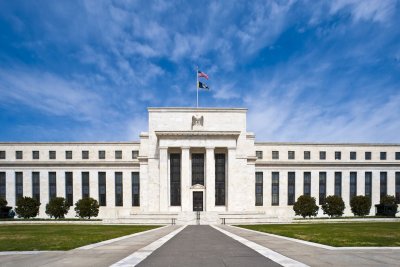
Looking ahead, the focus for Nvidia investors may shift from earnings to broader macroeconomic forces. The April personal consumption expenditures (PCE) price index, due Thursday, will provide the Federal Reserve with its latest read on inflation. Rising bond yields have weighed on high-growth, high-valuation stocks, and Nvidia is no exception.
'Investors are moving beyond the earnings season,' said Anthony Saglimbene, chief market strategist at Ameriprise. 'The market is now focused on interest rates, oil prices, and valuations.'
Options markets imply a potential swing of about 4% in either direction for Nvidia shares next week, placing the stock in a range between roughly $207 and $224. That relatively tight band reflects uncertainty about whether the AI trade can sustain its momentum amid macro headwinds.
U.S. markets will be closed Monday for Memorial Day, with trading resuming Tuesday. The holiday break gives investors time to digest Nvidia's report and assess the risks ahead, including any further developments on China, cloud spending trends, and the trajectory of interest rates.