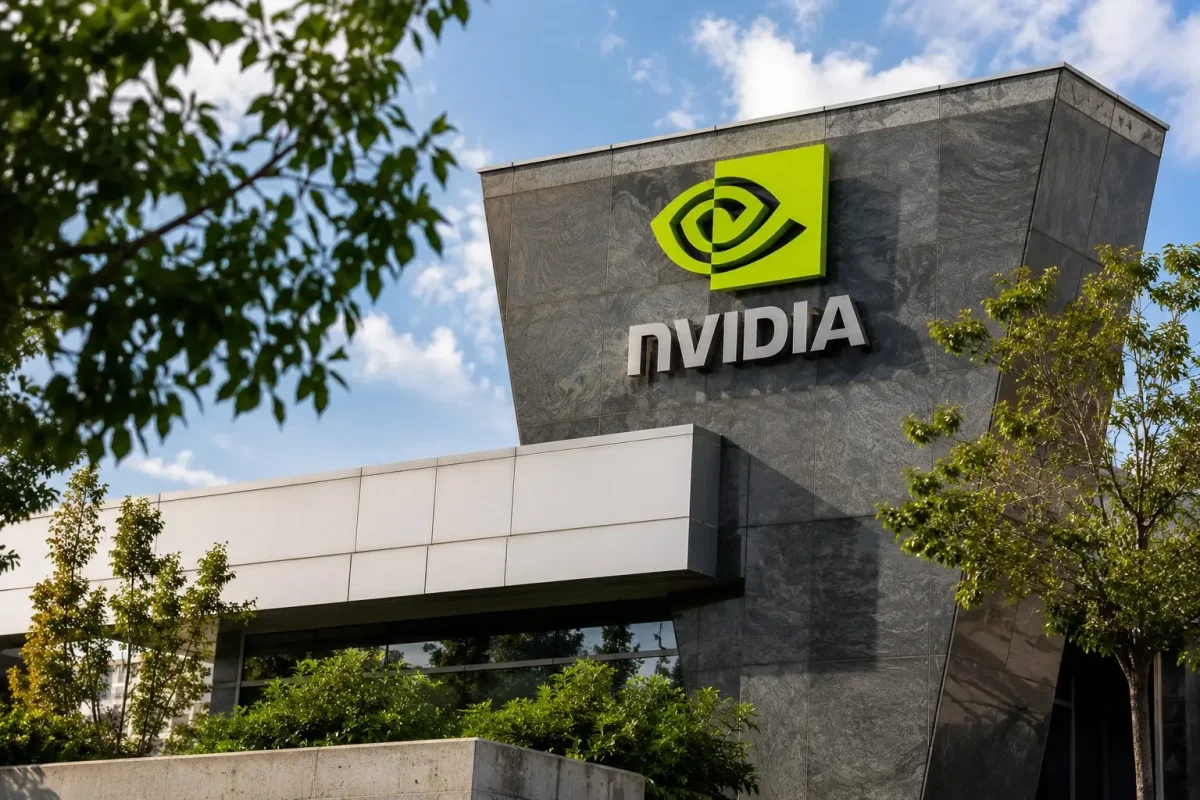
Nvidia Corporation (NASDAQ: NVDA) experienced a modest decline of approximately 1.2% in early Tuesday trading, settling near $209.98. This pullback follows a significant rally on Monday spurred by the company's largest bond issuance since 2021. The chipmaker's stock had closed at $212.45 on Monday, propelling its market capitalization past the $5 trillion mark for the first time. The Invesco QQQ Trust, which tracks the Nasdaq 100, edged slightly lower, while the iShares Semiconductor ETF remained relatively flat. Nvidia's price-to-earnings ratio currently stands at around 32, reflecting the market's high expectations for continued growth.
Record Bond Sale Signals Financial Strength
Nvidia's bond sale, initially planned at $20 billion, was upsized to $25 billion after attracting approximately $85 billion in orders from investors, according to Reuters. The offering is structured across seven tranches with maturities extending to 2056. These senior unsecured notes are not backed by specific collateral but hold priority over shareholders in the event of repayment. The proceeds are earmarked for general corporate purposes, including the repayment and refinancing of existing notes. This move underscores Nvidia's robust financial health and its ability to access capital markets at favorable terms.
Implications for Shareholders and AI Spending
The bond issuance is strategically significant for Nvidia. By raising debt rather than equity, the company can fund its growth initiatives without diluting existing shareholders. Additionally, the bond deal provides a real-time gauge of Nvidia's borrowing costs at a time when AI hardware spending is becoming a central theme in corporate finance. However, increased leverage also introduces risks, particularly if the demand for AI chips from major customers—expected to invest over $700 billion in AI this year, up from $400 billion in 2025—were to cool. Any slowdown in spending by hyperscalers or a shift toward custom chips could pressure Nvidia's lofty valuation multiple.
Strong Fundamentals Underpin Growth Story
Nvidia's growth narrative remains intact. The company reported first-quarter fiscal 2027 revenue of $81.6 billion, an 85% year-over-year increase, with Data Center revenue reaching $75.2 billion, up 92%. CEO Jensen Huang described the current period as "the buildout of AI factories—the largest infrastructure expansion in human history," emphasizing the extraordinary speed of adoption. For the second quarter, Nvidia forecasts revenue of $91.0 billion, plus or minus 2%. The company also authorized an additional $80 billion in share buybacks and raised its quarterly dividend to $0.25 per share.
Key Events and Risks Ahead
Nvidia's next major catalyst is the 2026 annual stockholder meeting scheduled for June 24 at 9 a.m. PT. Investors will be closely watching for commentary on capital returns, the use of bond proceeds, China exposure, and demand levels for the Blackwell platform and future AI architectures. The market's attention is increasingly focused on whether Nvidia can deliver on its $91 billion quarterly revenue target without signs of margin pressure, supply chain constraints, or reduced AI spending from key customers. While the stock currently trades as if growth will continue unabated, the bond deal highlights the broader market's recognition of both the opportunities and risks inherent in the AI boom.