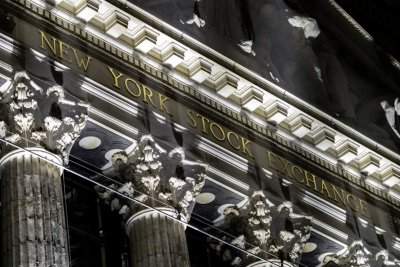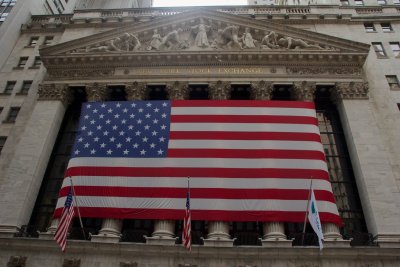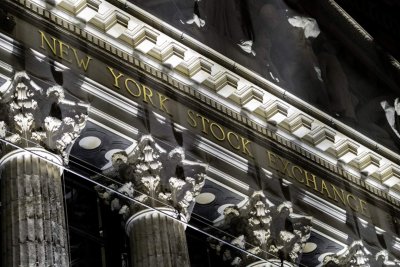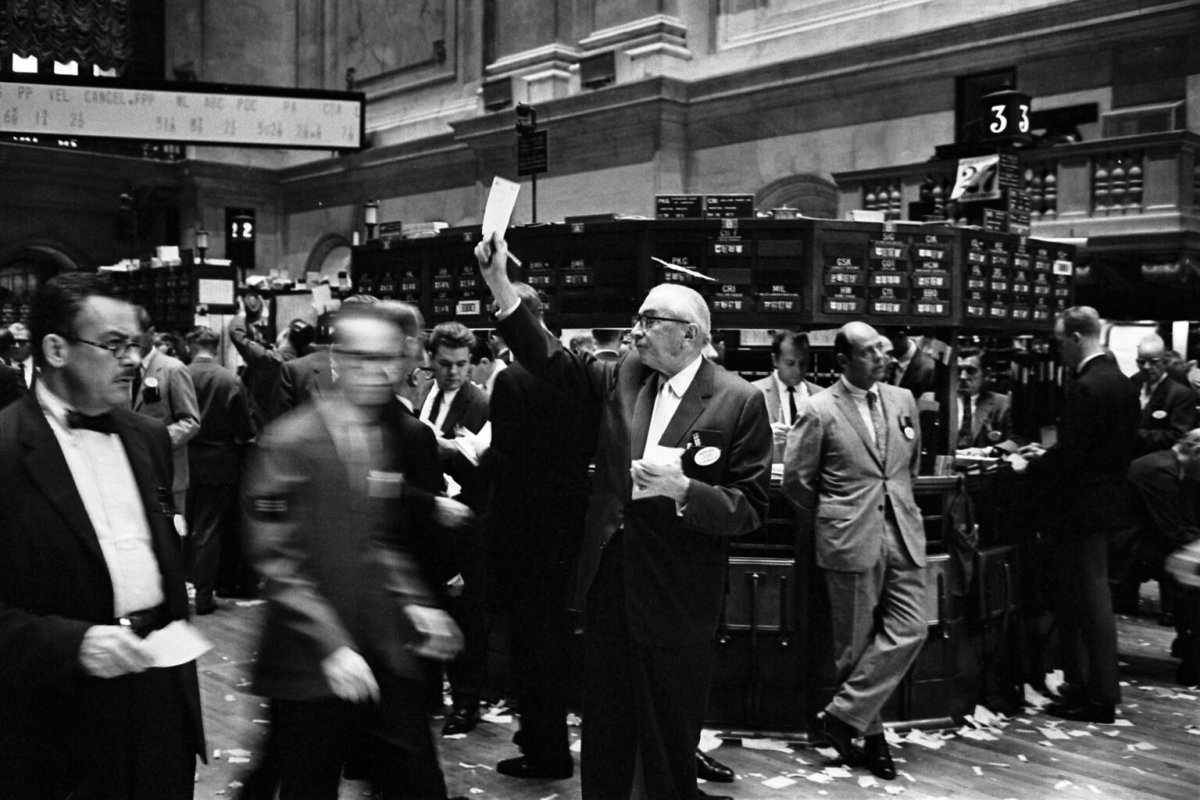
Global markets were rattled on Thursday morning as a geopolitical shock in the Middle East sent oil prices soaring, creating a sharp divergence between energy and technology stocks. The Nasdaq Composite dropped 0.55% to 27,387.82 by 9:47 a.m. EDT, while the S&P 500 slipped 0.31% to 7,777.32. The Dow Jones Industrial Average showed more resilience, easing just 0.15% to 51,101.99.
Brent crude, the international benchmark, jumped 4.42% to $104.63 per barrel, while West Texas Intermediate (WTI) climbed 4.51% to $92.26. The surge followed Associated Press reports of explosions in Riyadh, including at its airport, though no cause or claim was immediately confirmed. This new shock compounded existing supply concerns from disrupted shipping near the Bab el-Mandeb and Hormuz straits, which had already tightened the market.
Energy Leads, Tech Lags
The market's reaction was far from uniform. Energy sector ETFs (XLE) led gains with a 2.34% advance, followed by consumer staples (XLP) at 1.04% and utilities (XLU) at 0.45%. On the losing side, technology (XLK) fell 0.82% and health care (XLV) dropped 0.92%. This rotation reflects investors seeking inflation protection while trimming rate-sensitive growth stocks.
Breadth data underscored the selling pressure: 4,494 of 6,232 listings (72.1%) were decliners across NYSE and Nasdaq. NYSE breadth was notably weaker, with 78.7% of stocks falling versus 67.4% on Nasdaq. The decline was not confined to megacap tech, indicating broad-based risk aversion.
Corporate Movers
Oil giants benefited directly: Exxon Mobil (XOM) rose 2.72% and Chevron (CVX) gained 2.68%. Conversely, airlines suffered as fuel costs rose—United Airlines (UAL) fell 1.09% and Delta Air Lines (DAL) lost 0.54%. This split illustrates the earnings transfer from fuel-intensive sectors to producers.
In tech, NVIDIA (NVDA) slipped 1.38% and Taiwan Semiconductor (TSM) lost 0.67%. Meanwhile, PepsiCo (PEP) bucked the trend, jumping 2.11% after beating third-quarter revenue and adjusted profit estimates, even as it trimmed its full-year EPS growth forecast to 2.5%-3.5% from 5%-7%.
Fed and Rates Weigh
Federal Reserve Governor Christopher Waller added to the pressure, stating in a speech: “I anticipate additional hikes to support a timelier return of inflation to our 2 percent goal,” while noting timing could remain flexible. Futures markets implied an 85% chance of at least one rate hike by December. The 10-year Treasury yield edged up 1.3 basis points to 5.29%.
Long-duration equities remain sensitive to both oil-driven inflation and bond supply. The Treasury is set to reopen a 30-year bond on Thursday, with a $22 billion offering. The prior sale cleared at 5.308% with a bid-to-cover ratio of 2.61, and the upcoming auction will be a key test of demand.
Analyst Actions Reflect Mixed Outlook
Broker calls mirrored the market's split. Barclays raised its price target on Cheniere Energy (LNG) to $287 from $279 with an Overweight rating. Susquehanna cut United Airlines' target to $150 from $165, while Citi upgraded XPO (XPO) to Buy from Neutral with a $224 target. These moves highlight the divergent views on energy versus transport sectors.
Gold edged up 0.21% to $4,149.50 per ounce, while the dollar remained relatively stable. The market is now focused on the 1 p.m. EDT competitive bidding deadline for the 30-year bond. A strong auction could cap duration pressure, but a weak one would likely deepen losses in airlines and technology, especially if oil remains elevated.
Risks remain two-sided: a reversal in crude prices could weaken the energy-led rally, while another geopolitical headline or a disappointing auction could push yields higher and exacerbate the selloff in growth stocks.