US stock futures edged lower in after-hours trading Thursday as a spike in oil prices, triggered by fresh military exchanges between the United States and Iran, reignited concerns over inflation and interest rates. S&P 500 futures declined approximately 0.2%, while US crude futures climbed more than 2% to $96.8 per barrel, marking a notable escalation in energy costs after a period of relative calm.
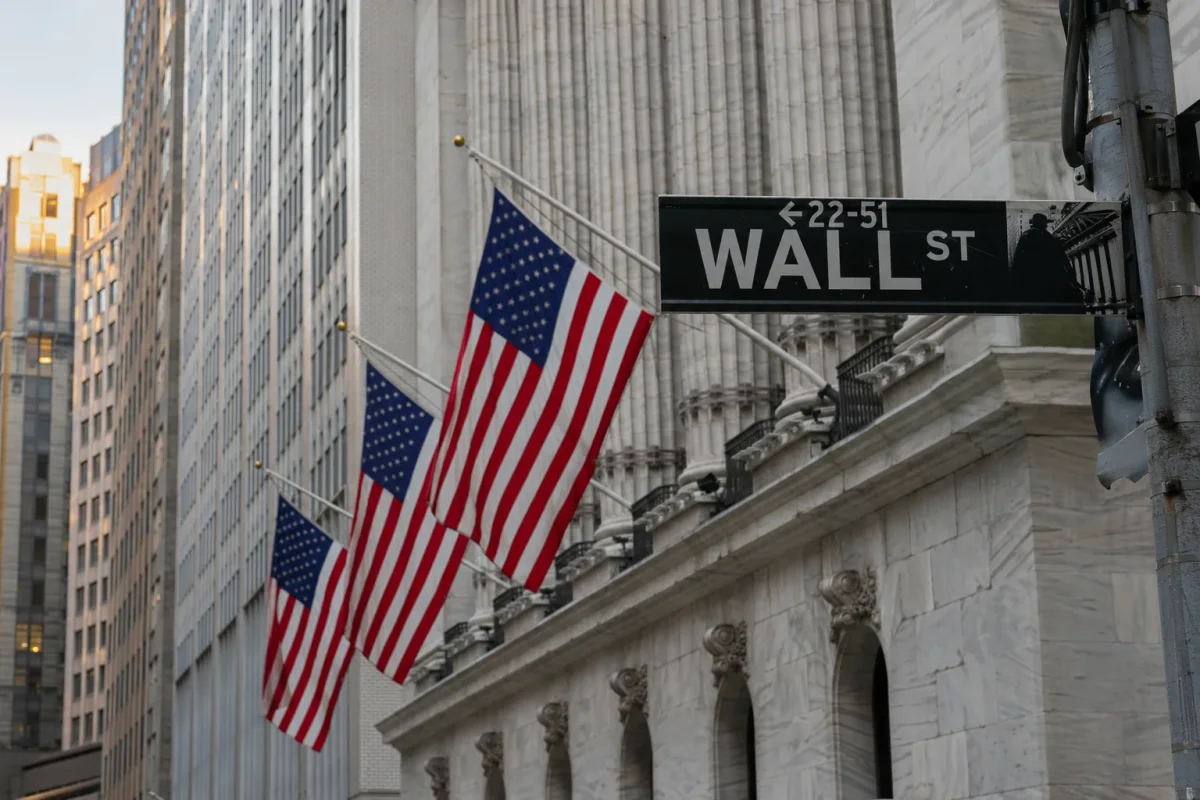
The move comes at a critical juncture for Wall Street, which had recently pulled back from record levels following a sharp rally driven by artificial intelligence stocks. A sustained rise in oil threatens to add pressure on inflation, borrowing costs, and corporate profit margins, just as investors await Friday's crucial US payrolls report for further clues on the labor market and Federal Reserve policy.
In regular trading, the S&P 500 closed down 0.38% at 7,337.11, the Nasdaq Composite fell 0.13% to 25,806.20, and the Dow Jones Industrial Average lost 0.63% to 49,596.97. Nine of the 11 S&P 500 sectors ended lower, with materials and energy leading the declines. The pullback was broad but not a complete break from the AI trade, as Nvidia and Microsoft both rose nearly 2%, underscoring continued investor enthusiasm for artificial intelligence infrastructure.
Chip stocks were the primary drag on the market. Arm Holdings fell on concerns about supply chain constraints for its new AI chip, while Intel and Advanced Micro Devices each dropped about 3%, giving back some of their gains from earlier in the week. The PHLX semiconductor index declined 2.7%, though it remains sharply higher for the quarter. Despite the pullback, portfolio manager Mike Dickson of Horizon Investments told Reuters that the market's recovery remained 'driven by fundamentals.'
After the bell, AI infrastructure remained in focus. Nvidia announced it would invest up to $2.1 billion in data-center operator IREN as part of a deal to deploy up to 5 gigawatts of infrastructure. IREN shares rose about 9% in extended trading. Meanwhile, CoreWeave, another neocloud provider, raised the lower end of its 2026 capital spending forecast to $31 billion from $30 billion, citing higher component costs. CoreWeave shares fell more than 9% after hours despite first-quarter revenue beating LSEG estimates. Andrew Rocco, stock strategist at Zacks Investment Research, noted that CoreWeave is trying to become a 'dominant player' in AI infrastructure.
Nvidia also deepened its tie-up with Corning. CEO Jensen Huang said the chip supplier made a 'multi-billion-dollar prepayment' to help fund new US factories, separate from an equity investment of up to $3.2 billion. Corning CEO Wendell Weeks confirmed the prepayment in a CNBC interview cited by Reuters.
Cryptocurrency and travel shares added to the uneven tone. Coinbase fell about 5% in extended trading after posting a surprise quarterly loss, as trading volumes weakened during a broad digital-asset selloff. CFO Alesia Haas noted that total crypto market value and trading volume were both down more than 20% quarter over quarter. Airbnb and Expedia also warned that the Middle East conflict was hurting travel demand. Expedia fell 8% after forecasting second-quarter gross bookings below Wall Street estimates, while Airbnb slipped about 1.5%. Expedia CEO Ariane Gorin said cancellations had eased going into April, 'but certainly that was an impact.'
The labor backdrop gave investors less reason to expect early Federal Reserve help. Weekly jobless claims rose by 10,000 to 200,000, below the 205,000 forecast in a Reuters poll, while continuing claims fell to their lowest level since January 2024. Christopher Rupkey, chief economist at FWDBONDS, said there was no reason to consider rate cuts because the labor market was 'steady as a rock.'
The risk for bulls is that the late oil move lasts. US crude rose as much as 3% after the US military said it carried out retaliatory strikes on Iran, while Iran accused Washington of violating the ceasefire. If energy prices keep rising, Friday's jobs data could become a harder test for a market priced for strong earnings, resilient growth, and a still-powerful AI cycle.