Shares of advanced nuclear technology developer Oklo rose approximately 5% in Monday trading, closing at $56.59. This upward move elevated the company's market valuation to around $16.5 billion. The gain followed a significant regulatory achievement and the release of its annual financial results, which revealed a substantial increase in net losses for the 2025 fiscal year.
Financial Performance and Cash Position
Oklo's latest annual report, filed on March 17, 2026, showed a net loss of $105.7 million for 2025, a notable increase from the $73.6 million loss reported the previous year. Operating expenses reached $139.3 million, and cash used in operating activities totaled $82.2 million. Despite the significant cash burn, the company concluded the year with a robust liquidity position, holding approximately $1.41 billion in cash and marketable securities, bolstered by recent equity fundraising efforts.
Key Regulatory Approvals
The company achieved a critical milestone by securing its first license from the U.S. Nuclear Regulatory Commission. Concurrently, its subsidiary, Atomic Alchemy, obtained a separate materials license from the NRC. This permit authorizes the commercial handling, processing, and sale of isotopes for medical and research applications from its Idaho Radiochemistry Laboratory, establishing a potential near-term revenue stream.
"Demand for critical isotopes is rising, but U.S. supply remains limited," stated Oklo Chief Executive Jacob DeWitte, highlighting the market opportunity for the new business line.
Progress on Reactor Projects
Oklo also reported progress on its core reactor designs. The Department of Energy approved a Nuclear Safety Design Agreement for the company's Aurora reactor project at the Idaho National Laboratory, marking an initial safety review milestone. The company has executed a federal agreement under the Reactor Pilot Program covering the design, construction, and operation of this project.
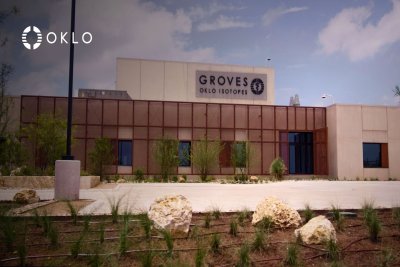
Furthermore, the DOE approved Atomic Alchemy's Groves Isotopes Test Reactor in Texas. This pilot project aims to achieve criticality—a self-sustaining nuclear chain reaction—in at least three advanced reactors by July 4, 2026. Oklo is targeting to have the Groves reactor operational by that deadline.
Market Context and Analyst Sentiment
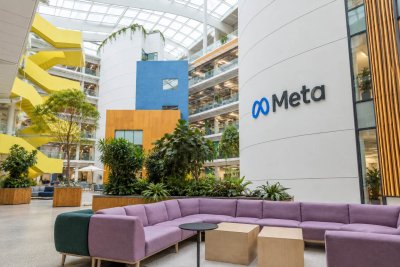
Oklo represents a direct investment opportunity in next-generation nuclear power, particularly for energy-intensive data centers. In a notable commercial endorsement earlier this year, Meta committed to supporting up to 1.2 gigawatts of Oklo's planned projects in Ohio, targeting a 2030 launch. This commitment provides early validation for a technology still years from widespread deployment.
However, Wall Street analysts have tempered their near-term outlook. Following the annual report, Citi analyst Vikram Bagri reduced his price target on Oklo to $73.50 from $95. Needham similarly adjusted its target downward. Both firms acknowledged the positive regulatory steps concerning the isotope license and DOE progress but reflected a more cautious timeline for commercial realization.
Risks and Forward Path
The company's own filings outline clear risks. Oklo has not yet constructed a power plant, lacks binding agreements to operate a facility or supply electricity or heat, and does not anticipate meaningful revenue from power or radioisotope sales for several years. Its updated commercial license application also remains pending with the NRC.
Currently, Oklo's progress is measured by developmental milestones rather than revenue generation. Investor focus is likely to remain on several key near-term catalysts: whether the isotope projects can generate actual sales, if the timelines for the Idaho and Texas facilities can be maintained, and whether management can execute its plan to launch the first Aurora power plant by 2028.
The competitive landscape is intensifying, with tech giants like Meta also pursuing nuclear partnerships with other entities, including power plant operator Vistra and Bill Gates-backed startup TerraPower. This activity underscores the aggressive scramble for reliable, carbon-free power sources as artificial intelligence adoption drives U.S. electricity demand higher.