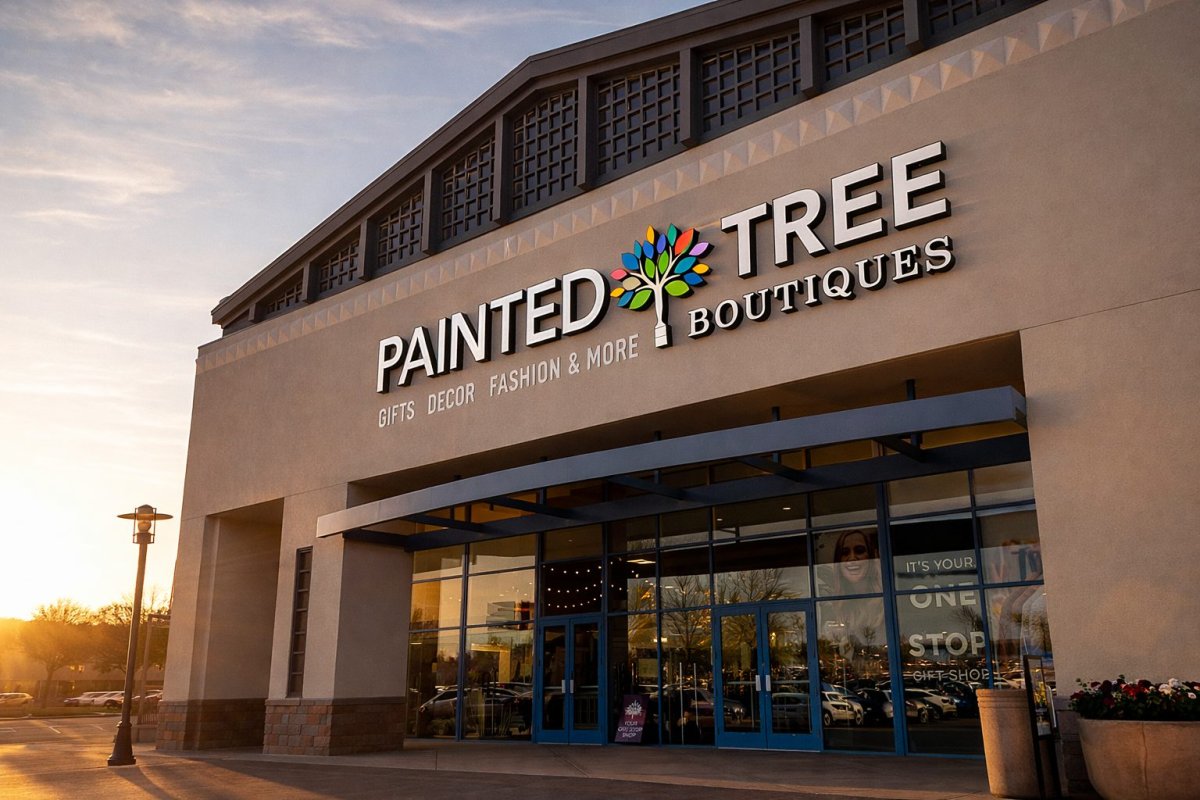
In a sudden and unexpected move, Painted Tree Boutiques has terminated all retail operations across the United States. The company informed vendors on Tuesday that they must immediately collect their inventory from store locations, offering little to no prior warning about the shutdown.
An Abrupt End to a Shared Retail Model
The Arkansas-based retailer, which began operations in Bryant in 2015, distinguished itself through a unique business framework. Rather than selling its own branded goods, Painted Tree provided booth space to dozens of independent merchants and artisans. These vendors paid rent plus a percentage of sales, while the company's staff handled point-of-sale operations. This model allowed small businesses to maintain a physical retail presence without the typical burdens of store ownership.
At the time of closure, Painted Tree operated more than 60 locations nationwide. Texas represented its largest market, with 16 stores in cities including San Antonio and Tyler. The company maintained its corporate headquarters in Little Rock, Arkansas, despite its significant geographic expansion.
Vendors Left with Minimal Guidance
The cessation of operations appears to have been executed with extreme haste. According to reports, a store in San Antonio received notification at 11 a.m. Central Time on Tuesday, April 14, 2026, with no advance communication. This timing is particularly notable given that the company's social media channels were promoting a "Ladies Night" event scheduled for the following Thursday as recently as Monday.
In a brief statement circulated through local media, Painted Tree described the closure as a "difficult decision" and confirmed that no further retail sales would occur at any U.S. location. The company has not provided a public explanation for the sudden wind-down.
The logistical aftermath is proving challenging for affected vendors. Reports indicate that only a skeleton crew will remain on-site through April 24, leaving most merchants responsible for dismantling their own booth setups. In North Texas, some vendors were initially told they would have just an eight-hour window on Tuesday to begin removing their merchandise.
Market Context and Implications
Painted Tree had positioned itself as a physical manifestation of online marketplaces, describing its stores as "an Etsy marketplace and Pinterest catalog come to life." Retail analysts had previously noted the concept's innovative approach to aggregating local makers into a single shopping destination. The company's collapse represents a significant setback for the shared retail sector and leaves a substantial number of small businesses seeking alternative sales channels.
The future remains uncertain for the hundreds of vendors who relied on Painted Tree's platform. While they have received instructions on collecting their remaining inventory, there has been no official communication regarding the reasons behind the operational halt or any potential next steps. These independent sellers now face the task of recovering from the sudden dissolution of a venture that once promised "hundreds of shops, all under one roof."
The retail landscape continues to evolve, with brick-and-mortar concepts facing persistent challenges. Painted Tree's demise highlights the vulnerabilities inherent in complex retail partnerships and serves as a cautionary tale for similar business models dependent on multiple stakeholder ecosystems.
