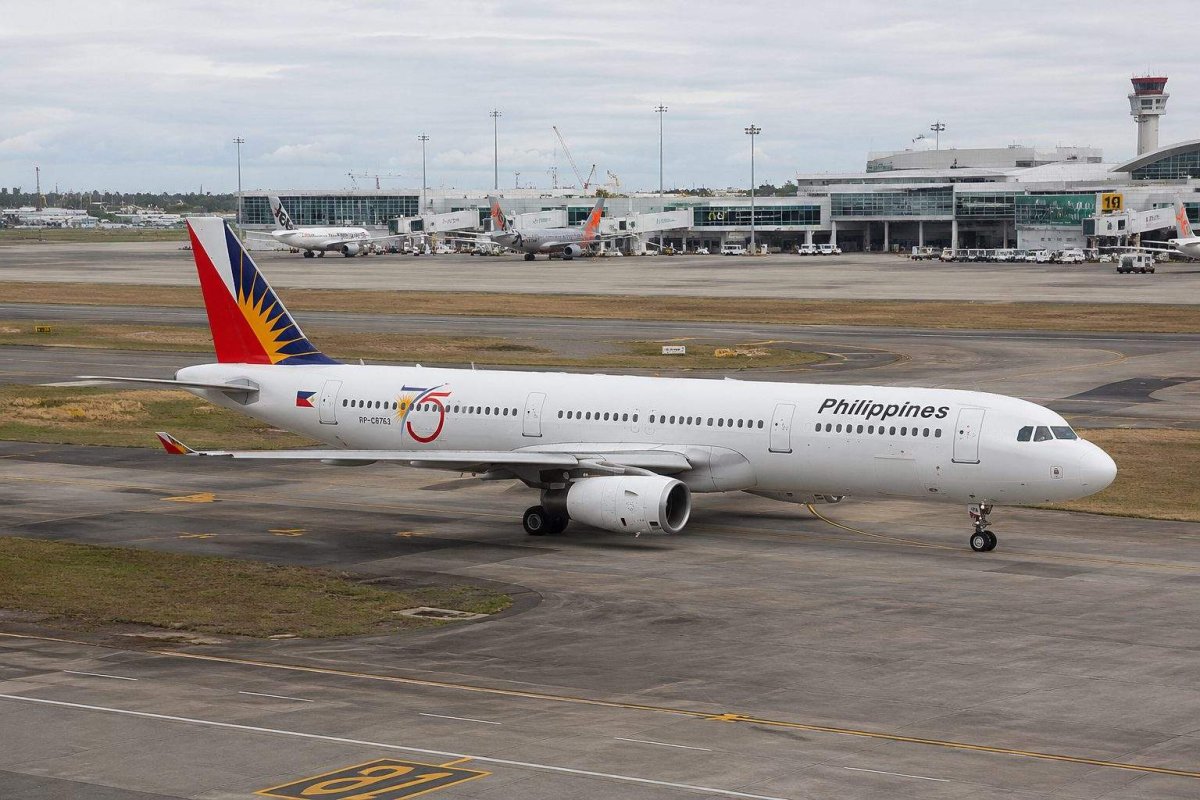
Philippine Airlines (PAL) has strengthened its board with the appointment of two new independent directors: Datuk Captain Izham Ismail, former group managing director of Malaysia Aviation Group, and Edgar O. Chua, former chair of Shell Philippines. The appointments were disclosed in a June 1 filing with the Securities and Exchange Commission (SEC) by parent company PAL Holdings.
The boardroom shakeup comes as PAL accelerates its international expansion, deploying its second Airbus A350-1000 on the Manila-Toronto route starting June 5. Toronto becomes the second North American destination to receive the carrier's flagship aircraft, following New York. The move is part of PAL's strategy to capture premium and long-haul travelers beyond its domestic market share.
Airbus has confirmed that Philippine Airlines is purchasing nine A350-1000 widebodies as part of its 'Ultra Long Haul Fleet' initiative, targeting nonstop service to the U.S. East Coast and Canada. The A350-1000, a twin-aisle jet designed for extended routes, offers 382 seats in business, premium economy, and economy classes, along with enhanced cargo capacity and fuel efficiency.
Izham Ismail's appointment took effect June 1. He began his aviation career as a pilot with Malaysia Airlines in 1979 and rose to group managing director in 2017. Notably, he trained at Philippine Airlines Aviation School in Manila from 1979 to 1980, creating a direct link to the carrier. His background includes leading a major restructuring at Malaysia Aviation Group in 2021 that slashed over $2 billion in debt and secured fresh capital from Khazanah Nasional, Malaysia's sovereign wealth fund.
Edgar Chua brings a different set of expertise. As chair of the Makati Business Club and former head of Shell Philippines, he adds experience in navigating fuel costs, regulatory challenges, and capital expenditure—critical issues for airlines.
PAL chair and CEO Lucio C. Tan highlighted the value of both appointments, noting that Chua's business acumen and Izham's aviation expertise will drive the airline's growth and governance objectives. Tan specifically praised Izham's 'global aviation expertise' as an asset to the board.
The board changes come amid a mixed financial backdrop. PAL reported net income of $160.4 million for 2025, up 6.1% from the prior year, on revenue of $3.22 billion. Passenger volume reached 16.3 million. President Richard Nuttall described the results as a transition from 'post-pandemic recovery to sustainable, long-term growth.'
However, cost pressures remain significant. Operating expenses rose 6.3% to nearly $3 billion in 2025, outpacing revenue growth. Softening fares, fuel costs, maintenance expenses, and competition from local rivals such as Cebu Pacific and AirAsia Philippines are squeezing margins. Additionally, uncertainty surrounds the delivery of A321neo aircraft and widebody retrofits, which could take two to three years due to limited seat and materials availability.
PAL's strategic focus is shifting toward premium seats, transpacific routes, and the economics of long-haul aircraft. The new board members bring experience in managing high fuel costs, debt restructuring, and fleet cycles. Ultimately, the airline's success will depend on managing aircraft deliveries, controlling costs, and sustaining demand on long-haul routes amid competitive pressures at home.
