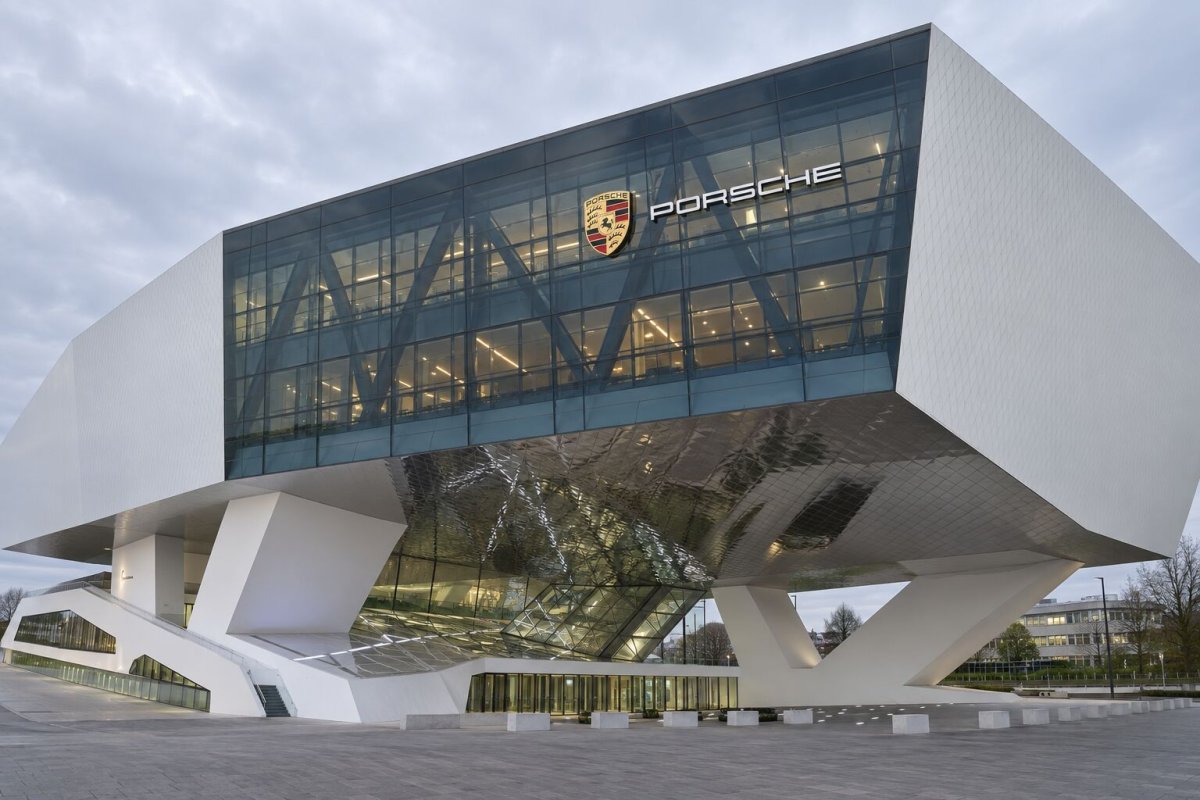
Porsche AG preference shares (ETR:P911) traded 2.0% lower at €45.05 in Frankfurt on Monday, extending losses after Chief Executive Officer Michael Leiters rejected a media report that the luxury automaker was planning an additional 4,000 job cuts. The denial, communicated in an internal memo reported by Reuters, directly countered a Handelsblatt article that claimed Porsche was preparing 4,100 more redundancies.
The clarification removes one near-term cost risk, but it does little to ease broader concerns about Porsche's long-term profitability, which were amplified by parent company Volkswagen AG's (ETR:VOW3) decision to book a €6 billion non-cash impairment against Porsche goodwill on Friday. That accounting move signals that Volkswagen now expects weaker future earnings from its sports car subsidiary, a shift that investors are still digesting.
Market Snapshot
As of 10:13 CEST on September 21, 2026, Porsche preference shares were trading at €45.05, down €0.94 or 2.04% from the previous close of €45.99. The day's range has been €44.50 to €46.00, with an opening price of €46.00. Trading volume stood at 94,490 shares, well below the average of 415,470 shares, suggesting that the decline is being driven more by sentiment than by heavy selling pressure.
Job Cut Denial and Existing Restructuring
In his memo to employees, Leiters stated that no additional 4,000 positions were being planned. This follows an earlier announcement in July that Porsche would eliminate 5,000 positions by 2035 through attrition, early retirement, and voluntary severance programs. The company has emphasized that the existing workforce reduction plan is designed to be socially responsible and largely avoids compulsory layoffs.
While the denial removes a potential escalation in cost-cutting, it also highlights the ongoing pressure on Porsche to manage expenses amid a challenging demand environment. The company has been grappling with weakening demand in China, increased competition from electric vehicle makers, and the broader industry slowdown.
Financial Performance and Outlook
Porsche's first-half 2026 results, published on July 29, provided some positive data points. Revenue declined 5.1% year-over-year to €17.23 billion, but operating profit rose 33.9% to €1.35 billion, lifting the operating margin to 7.8% from 5.5%. Vehicle deliveries fell 16.5% to 122,306 units, reflecting the softer market.
The company also benefited from the €1 billion disposal of its stake in Bugatti Rimac, which improved cash flow. As a result, Porsche raised its 2026 automotive net-cash-flow margin guidance to a range of 5.5% to 7.5%.
Despite these improvements, the stock remains expensive, trading at approximately 48.7 times trailing earnings. That valuation leaves little room for error, and any negative surprise could trigger a sharp correction.
Analyst Views
Recent analyst recommendations show a wide range of targets. Berenberg has a Hold rating with a €46 price target (September 16), JPMorgan is more bullish with a Buy and €50 target (September 10), while UBS is cautious with a Neutral and €41 target (September 4). Monday's price sits almost exactly at the midpoint of these targets, indicating that the market is still trying to gauge Porsche's fair value.
Risks and Upcoming Catalysts
Key risks include a further deterioration in Chinese demand, potential tariffs on European imports, or another decline in deliveries, which could force deeper cost cuts despite the current workforce denial. Investors will be watching Porsche's Capital Markets Day on October 7, where management is expected to provide updated guidance on margins, capital expenditure, and headcount. Volkswagen's quarterly results on October 29 will also be closely scrutinized for any further impairments or changes in assumptions.
The combination of a high valuation, mixed financial signals, and the parent company's cautious stance suggests that Porsche shares could remain volatile in the near term. The denial of additional job cuts provides some short-term relief, but the fundamental challenges facing the automaker are far from resolved.
