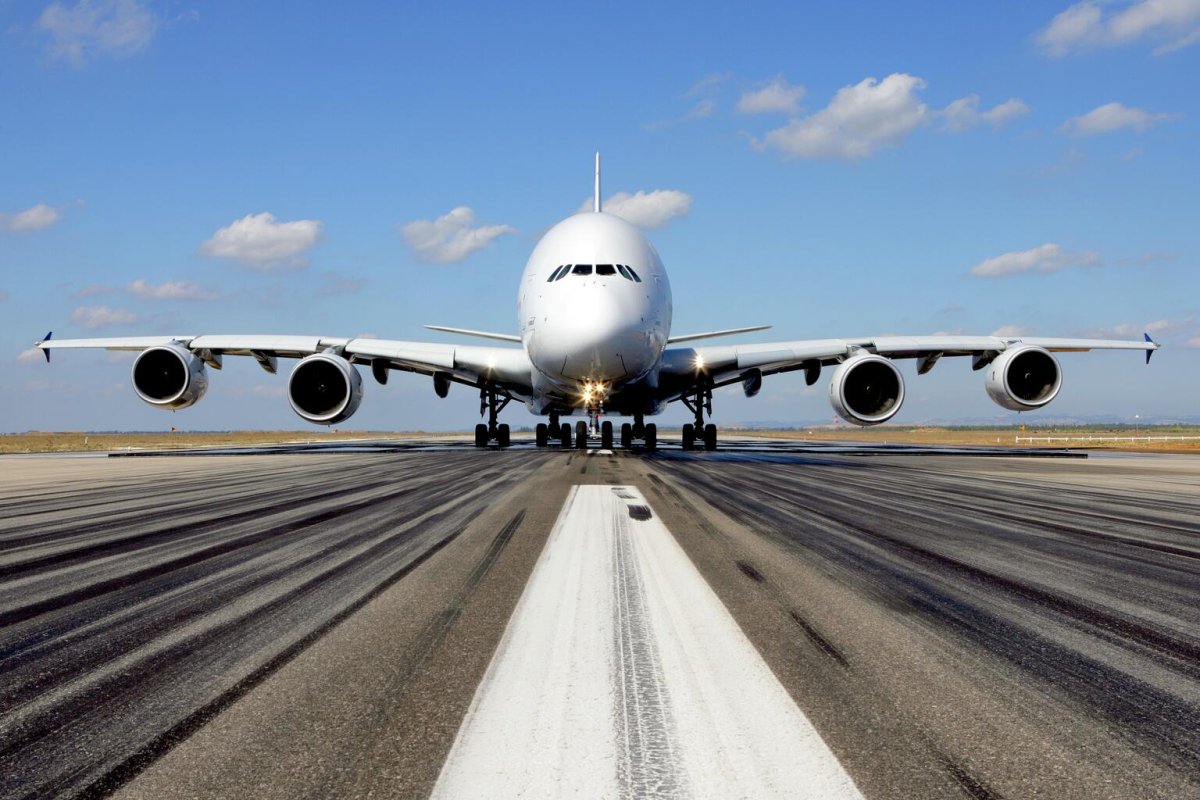
While the Airbus A380 is no longer in production, it remains a significant fixture in global aviation. According to Airbus data, 193 of the double-deck aircraft were still in airline service as of the end of August, representing approximately 77% of the 251 units ever delivered. This installed base continues to support maintenance, upgrade, and engineering activities, even as the industry shifts its focus to next-generation widebody aircraft.
Qantas's Strategic Exit
Qantas, a major A380 operator, has outlined specific financial benefits from phasing out its superjumbo fleet. In its 2026 annual report, the airline counted 10 A380-800s in its fleet as of June 30, noting that the last aircraft returned to service during the fiscal year, providing crucial capacity amid Middle East conflict disruptions. These 10 jets account for just over 5% of the global A380 fleet.
However, Qantas has announced plans to begin retiring the type in calendar 2028. An August 27 investor presentation cited rising maintenance costs and operational risks associated with an out-of-production fleet. The airline estimates that the A350-1000LR offers a 10 percentage point higher premium-cabin mix and 12 points higher contribution margin per departure compared to the A380 on its Sydney–Dallas route.
Qantas projects approximately A$300 million in net cash-flow benefits from FY2028 through FY2031 due to the retirement program, including around A$40 million from simplifying its training pipeline. These are management estimates, not realized savings, and the route-specific case may not apply universally across airlines.
Financial Pressure and Opportunities
The urgency is reflected in Qantas's recent financial performance. Qantas International generated A$9.9 billion in FY2026 revenue, up 8%, but underlying EBIT fell 38% to A$371 million, with operating margin narrowing to 3.7%. Management attributed this to a disproportionate fuel hit on the A380 fleet and higher operating costs for legacy A330s and A380s. While replacing these aircraft could improve unit economics, the airline must first fund and receive the new aircraft, with A$20.6 billion in capital-expenditure commitments as of June 30.
Airbus's Earnings Engine
For Airbus shareholders, the A380's installed base is a long-tail support asset, but the real prize lies in replacement orders. In the first half of 2026, Airbus's commercial aircraft revenue rose 15% to €23.9 billion, driven by higher deliveries and increased services. The company ended June with a 9,222-aircraft backlog, concentrated in models still in production. Airbus does not separately disclose service revenue from the A380, so the 193-aircraft fleet should not be treated as a measurable stand-alone profit stream.
Competitive Order Battle
Qantas is working with both Airbus and Boeing to firm additional A350 and 787 orders for fleet replacement and growth. This makes the retirement plan a competitive order opportunity, not an automatic win for Airbus. Boeing could capture part of the spend with its 787, while Airbus aims to retain the customer with the A350. Delivery availability, fuel burn, maintenance costs, cabin mix, and route range will all factor into the decision.
Emirates Offers a Contrasting View
Emirates, the largest A380 operator, provides a strong counterargument to the A380's decline. In May, the carrier announced it had already refurbished 42 A380s within a multi-billion-dollar retrofit program, with 15 two-class A380s also slated for renovation. This continued investment demonstrates that a high-capacity hub network can reach a different conclusion from Qantas. An aircraft that is costly on one route may still be productive where slots are scarce and demand is dense.
Market Context
Market prices provide context, not proof of the fleet thesis. Airbus shares closed at €199.40 in Paris on Friday, September 11, while Qantas closed at A$9.07 in Sydney. The next evidence will be operational: whether Qantas's first retirements remain on track for 2028, which A350 or 787 options become firm orders, and whether newer aircraft deliver the margin gains management has modeled.
For Airbus investors, the A380's 193-aircraft fleet is a long-tail support asset and a technology platform, not a reason to forecast renewed production. Qantas has put a price on moving on; Airbus still has to win the replacement business.
